
A New Frontier in Healing: Nanosilver in Modern Medicine
For centuries, silver has been recognized for its remarkable ability to prevent infections. From ancient civilizations storing water in silver vessels to its use in surgical instruments, silver's antimicrobial legacy is well-documented. Today, nanotechnology has resurrected this ancient wisdom, transforming it into a cutting-edge medical solution: medical nanosilver. In a country like India, with its vast population and significant burden of chronic wounds, burns, and post-operative infections, the need for effective and accessible wound care solutions is paramount. The emergence of nanosilver technology represents a paradigm shift, moving beyond traditional antibiotics to a more robust and versatile form of antimicrobial agent.
This article delves into the world of medical-grade nanosilver, specifically focusing on its applications in wound dressing and wound healing. We will explore how these microscopic particles are creating macroscopic impacts on patient outcomes, the unique benefits they offer to researchers and clinicians, and the burgeoning opportunities for R&D and industry within the Indian landscape. As we face the growing threat of antibiotic resistance, innovations like silver therapy are not just an alternative but a necessity for the future of healthcare.
Why Researchers are Turning to Nanosilver
Key Advantages in R&D
- Broad-Spectrum Efficacy: Nanosilver is effective against a wide range of pathogens, including antibiotic-resistant bacteria (like MRSA), viruses, and fungi, providing a versatile tool for research.
- Low Propensity for Resistance: Its multi-modal action against microbes makes it incredibly difficult for pathogens to develop resistance, a critical advantage over conventional antibiotics.
- Enhanced Bioavailability: The nano-scale size allows for a controlled and sustained release of silver ions, ensuring prolonged antimicrobial activity directly at the wound site.
- Anti-inflammatory Properties: Beyond killing microbes, nanosilver helps modulate the inflammatory response, reducing pain and swelling, which is a key area of study in wound healing.
- Pro-healing Effects: Emerging research indicates that nanosilver can promote keratinocyte and fibroblast proliferation, actively accelerating the tissue repair process, opening new avenues for nano medicine research.
Diverse Applications in Medical Wound Care
Chronic Wound Management
For persistent wounds like diabetic foot ulcers and venous leg ulcers, which are often stalled by bacterial biofilms, silver dressing products provide a continuous antimicrobial barrier, breaking down biofilms and creating a conducive environment for healing.
Burn Treatment
Burn wounds are highly susceptible to infection. Nanosilver-impregnated bandages offer superior infection control, reduce pain by keeping the wound moist, and minimize the frequency of painful dressing changes, revolutionizing this critical area of wound care.
Post-Surgical Site Care
Applying a silver bandage over surgical incisions can significantly lower the risk of surgical site infections (SSIs). This prophylactic use is a key strategy in improving surgical outcomes and reducing hospital stays, a vital aspect of modern nano treatment.
The Nanosilver Boom: Opportunities and Trends in India
The Indian medical device market is on a steep growth trajectory, and advanced wound care is a major contributing sector. The demand for products like medical-grade nanosilver for wound dressing applications is soaring. This is driven by several factors: a rising prevalence of lifestyle diseases like diabetes leading to chronic wounds, an aging population, and increased healthcare spending. For Indian researchers and entrepreneurs, this presents a golden opportunity.
There is a significant push for indigenous R&D and manufacturing under initiatives like 'Make in India.' Developing cost-effective silver dressing technologies locally can address the affordability challenge and cater to the vast domestic market. Research institutions can collaborate with companies to explore novel formulations, such as combining nanosilver with other bioactive compounds or developing 'smart' dressings that release silver in response to infection. The field of nano medicine is no longer a futuristic concept but a present-day reality, and silver therapy is at its forefront, promising a new era of effective and accessible medical dressing solutions for all.
Frequently Asked Questions
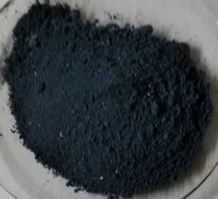
Medical nanosilver refers to microscopic particles of silver, typically smaller than 100 nanometers. Due to their extremely small size, they have a very large surface area-to-volume ratio, which significantly enhances their antimicrobial properties, making them highly effective in medical applications like wound dressings.
Nanosilver aids wound healing in multiple ways. Primarily, it acts as a powerful antimicrobial agent, killing a broad spectrum of bacteria, fungi, and viruses, thus preventing or treating infections. It also exhibits anti-inflammatory properties, which can reduce swelling and pain, and some studies suggest it can promote cellular regeneration and accelerate the healing process.
Yes, when used correctly in medical-grade dressings, nanosilver is considered safe. These dressings are designed to release silver ions in a controlled manner directly at the wound site, minimizing systemic absorption. Decades of clinical use have established a strong safety profile for silver-based wound care products approved by regulatory bodies.
While not impossible, the development of bacterial resistance to silver is extremely rare. Unlike traditional antibiotics that target specific metabolic pathways, silver ions attack microbes through multiple mechanisms simultaneously, such as disrupting cell membranes, inhibiting enzymes, and damaging DNA. This multi-pronged attack makes it very difficult for bacteria to develop effective resistance.
Related Nanosilver Products for Research


Advance Your Research with Nanosilver
Ready to explore the potential of medical nanosilver in your R&D projects? Connect with us to source high-purity materials for your next breakthrough.
Contact Us