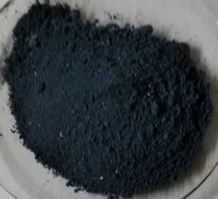
A New Frontier in Food Preservation for India
In a country as vast and diverse as India, ensuring food safety and minimizing waste are paramount challenges. From the bustling urban centers to remote rural communities, the need for effective food preservation is a constant. Traditional methods like refrigeration and chemical preservatives have served us for decades, but they come with limitations—high energy consumption, potential health concerns, and incomplete protection. Enter the world of nanotechnology, a field that is quietly engineering a revolution in our kitchens and supply chains. At the forefront of this change are silver nanoparticles, microscopic powerhouses poised to redefine the standards of antibacterial storage and nano food safety.
This article delves into the transformative potential of using silver nanoparticles in food containers. We will explore the science behind their potent antimicrobial properties, the tangible benefits for Indian researchers and industries, and the promising trends that signal a safer, more sustainable future for food storage. For the Indian R&D community and forward-thinking professionals, understanding this technology is no longer optional; it's the key to unlocking next-generation solutions in food packaging, public health, and economic efficiency. The concept of a silver preservation system, embedded directly into a food container, is moving from laboratory theory to commercial reality, offering a proactive approach to keeping our food fresh and safe.
Why Researchers are Focused on Nano Silver Technology
For the scientific community in India, silver nanoparticles offer a rich and multi-disciplinary field of study with significant real-world implications. The research opportunities are vast and vital:
-
Broad-Spectrum Antimicrobial Efficacy
Silver nanoparticles demonstrate exceptional effectiveness against a wide range of pathogens, including bacteria (like E. coli, Salmonella), fungi, and viruses, making them a versatile tool for ensuring nano food safety.
-
Low Concentration, High Impact
Due to their high surface-area-to-volume ratio, only a very small amount of silver is needed. This makes the technology cost-effective and minimizes any risk of toxicity, a key area of research in silver nanoparticles for anti-bacterial food storage containers.
-
Durability and Longevity
When embedded into polymers for a food container, the nanoparticles provide durable and long-lasting protection, unlike surface coatings that can wash or wear away. Research focuses on optimizing this integration for maximum lifespan.
-
Synergy with Other Technologies
Researchers are exploring the synergistic effects of combining silver nanoparticles with other technologies, such as modified atmosphere packaging (MAP) or biodegradable polymers, to create next-generation nano food packaging.
Industry Applications: From Concept to Consumer
Smart Consumer Food Storage
The most direct application is in consumer-grade products. Imagine a refrigerator food container or a lunchbox (a silver food box) that actively destroys bacteria. This extends the freshness of fruits, vegetables, and leftovers, directly reducing household food waste and the risk of foodborne illnesses. It's a prime example of advanced antibacterial storage.
Food Processing & Bulk Storage
In the industrial food processing sector, large storage vats, crates, and conveyor belts lined with silver nanocomposites can prevent biofilm formation. This reduces the need for harsh chemical cleaning, saves water, and ensures a more hygienic production line, a critical aspect of large-scale nano food safety.
Logistics and Supply Chain
For transporting perishable goods across India's diverse climates, antimicrobial containers are a game-changer. From farm to market, produce stored in nano-silver-infused crates is better protected from spoilage, ensuring that a higher percentage of goods arrives in a saleable condition, boosting profits and reducing waste.
India-Specific Trends and Opportunities
The landscape for silver preservation technology in India is fertile and growing. Several key trends are driving its adoption. The 'Make in India' initiative is a significant catalyst, encouraging domestic R&D and manufacturing of advanced materials. Indian institutions like the IITs and CSIR labs are at the forefront of nanomaterial research, creating a strong talent pool and knowledge base. This focus on local innovation is crucial for developing cost-effective nano container solutions tailored to the Indian market.
Furthermore, there is a rising consumer awareness regarding health and hygiene, accelerated in recent years. The urban Indian consumer is increasingly willing to invest in products that offer enhanced safety and convenience. This demand creates a market pull for innovative products like an antimicrobial container. As regulatory bodies like the Food Safety and Standards Authority of India (FSSAI) continue to refine guidelines for novel food-contact materials, the pathway for commercializing nano food packaging will become clearer and more streamlined, fostering industry confidence and investment in this transformative technology.
Frequently Asked Questions
Yes, when manufactured according to regulatory standards like those from FSSAI, EFSA, and the FDA. These standards ensure that any migration of silver ions into the food is well below safety limits, making them safe for consumer use. The key is the controlled release mechanism embedded in the polymer matrix.
Silver nanoparticles release silver ions (Ag+), which are highly reactive. These ions disrupt bacterial cell membranes, interfere with respiratory enzymes, and inhibit DNA replication, effectively killing a broad spectrum of microbes and preventing them from colonizing the container surface.
Nano food safety offers active, continuous protection rather than passive preservation. While traditional methods like refrigeration slow microbial growth, silver preservation actively eliminates microbes. This leads to a longer shelf life, reduced food waste, and enhanced safety without altering the food's taste or nutritional value.
Yes, the technology is emerging rapidly in the Indian market. Several Indian research institutions are pioneering new applications, and companies are beginning to incorporate silver nanotechnology into food packaging and storage products. The 'Make in India' initiative is further boosting domestic R&D and manufacturing in this sector.