The Invisible Threat on Our Most Personal Device
In today's hyper-connected world, the smartphone is an extension of ourselves. We use it for communication, work, entertainment, and navigation. But this constant interaction comes with an invisible cost: our smartphone screens are teeming with bacteria and viruses. Studies have consistently shown that the average phone screen is dirtier than a toilet seat, acting as a veritable petri dish for pathogens. In a country like India, with its high population density and diverse environmental conditions, this public health concern is magnified.
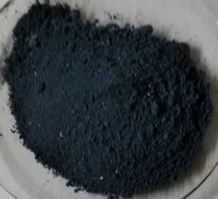
This is where material science and nanotechnology offer a groundbreaking solution: the **nanosilver coating**. By embedding microscopic silver particles into a transparent layer, we can create an **antimicrobial screen** that actively and continuously disinfects itself. This isn't science fiction; it's a practical application of nanotechnology that addresses a modern-day problem. For Indian researchers, engineers, and manufacturers, the development of a **nano phone screen** or a **silver screen coating** represents a significant opportunity to innovate and cater to a health-conscious market. This article explores the science behind nanosilver's antimicrobial properties, its benefits for researchers and industries, and the burgeoning market opportunities in India.
Why Nanosilver? The Benefits for Researchers & Industry
The adoption of nanosilver coatings for smartphone screens and other high-touch surfaces is driven by a unique set of advantages that appeal to both the scientific community and commercial enterprises.
-
Broad-Spectrum Antimicrobial Efficacy
Nanosilver is effective against a wide range of microorganisms, including bacteria (like E. coli and Staphylococcus aureus), viruses, and fungi. This makes the **antimicrobial screen** a robust first line of defense against common pathogens.
-
Durability and Longevity
Unlike temporary disinfectant wipes, a **nanosilver coating** is integrated into the screen protector or the glass itself. It provides continuous protection that doesn't wear off with cleaning or daily use, ensuring the **silver touch screen** remains effective over the device's lifespan.
-
Complete Optical Transparency
A key requirement for any **smartphone screen** technology is clarity. Nanosilver particles are so small that they do not scatter light, meaning the coating is perfectly transparent and does not affect screen brightness, color fidelity, or resolution. It's an invisible layer of protection on the **silver display**.
-
Maintained Touch Sensitivity
The **nano touchscreen** functionality is uncompromised. The coating is incredibly thin, allowing for seamless capacitive touch performance, ensuring the user experience is identical to that of an uncoated screen.
Beyond the Smartphone: A World of Applications
While the **nano screen protector** for phones is a flagship application, the potential for nanosilver coatings extends to any surface where microbial contamination is a concern. This versatility opens up vast R&D and commercialization avenues for Indian innovators.
Medical and Healthcare
Application on medical devices, hospital bed rails, IV stands, and touchscreens on diagnostic equipment can significantly reduce the incidence of hospital-acquired infections (HAIs), a major challenge in India's healthcare system.
Public Transportation & Spaces
Coating handrails on buses and metros, ticketing machines, and public ATM screens can create safer communal touchpoints, contributing to overall public health and hygiene in densely populated urban centers.
Consumer Electronics
Beyond the **nano phone screen**, this technology can be applied to keyboards, mice, tablets, and remote controls—devices that are frequently shared and rarely cleaned.
Food Processing and Packaging
Using nanosilver coatings on surfaces in food processing plants and in packaging materials can extend shelf life and prevent foodborne illnesses, a critical area for India's agricultural and food export industries.
The Indian Advantage: Market Trends and R&D Opportunities
India is uniquely positioned to become a global hub for the research, development, and manufacturing of **nanosilver coatings for antimicrobial smartphone screens**. Several factors contribute to this promising landscape:
Firstly, government initiatives like "Make in India" and the National Mission on Technical Textiles encourage domestic production and innovation in advanced materials. There is a strong policy push for self-reliance in technology, and developing a proprietary **silver screen coating** fits perfectly within this vision. Indian research institutions and universities are already active in nanomaterial science, creating a skilled talent pool ready to tackle these challenges.
Secondly, the Indian consumer market is one of the largest and fastest-growing in the world for smartphones. Post-pandemic, there is heightened awareness regarding hygiene and health. A product like an **antimicrobial display** or a **nano screen protector** has a compelling value proposition. Marketing a phone with a self-disinfecting **silver display** could be a powerful differentiator in a competitive market.
For researchers, the field is ripe for exploration. Key areas of R&D include optimizing the **nanosilver coating** process for cost-effectiveness, enhancing durability and abrasion resistance, and studying the long-term environmental impact. There's also an opportunity to explore hybrid coatings that offer multiple benefits, such as being antimicrobial, oleophobic (resisting fingerprints), and scratch-resistant simultaneously. Developing a cost-effective **nano touchscreen** solution for budget and mid-range smartphones could unlock a massive segment of the Indian market.
Frequently Asked Questions
Nanosilver coatings contain silver nanoparticles (AgNPs). When microbes like bacteria or viruses land on the surface, these nanoparticles release silver ions (Ag+). These ions disrupt essential cell functions, such as enzyme activity and DNA replication, effectively neutralizing and killing the microbes, creating a self-disinfecting surface.
No. The silver particles are at the nanoscale, typically between 20nm to 100nm. At this size, they are completely transparent and do not interfere with the screen's brightness, color accuracy, or touch sensitivity. The coating is optically clear.
Durability depends on the formulation and application method. High-quality nanosilver coatings are designed to be robust, resisting abrasion from daily use, cleaning, and environmental exposure. They are typically integrated into a polymer matrix or applied as a hard coat to ensure longevity.
Absolutely. The technology is highly versatile. Nanosilver antimicrobial coatings are being developed and used for high-touch surfaces in hospitals (bed rails, doorknobs), public transportation (handrails), consumer electronics (keyboards, mice), and even textiles and medical implants.
Yes. While nanotechnology is a burgeoning field in India, products making health claims (like 'antimicrobial') are subject to scrutiny. Researchers and manufacturers should be aware of guidelines from bodies like the Central Drugs Standard Control Organization (CDSCO) and the Bureau of Indian Standards (BIS). It's crucial to validate antimicrobial efficacy through certified labs (e.g., following ISO 22196 standards) and ensure the materials used are safe for consumer contact.