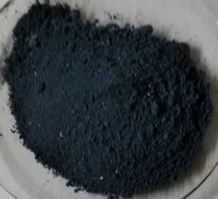
Stepping into the Future: Nanotechnology Underfoot
Foot odor—it's a persistent, universal problem that has plagued humanity for centuries. From bustling city streets in Mumbai to the corporate offices of Bengaluru, the issue is democratic in its reach. Traditional solutions like powders, sprays, and scented insoles offer temporary relief, masking the problem rather than solving it. But what if the solution wasn't just a cover-up, but a fundamental re-engineering of the environment where odor thrives? This is where the world of nanotechnology, specifically silver nanoparticles, makes a groundbreaking entrance into the footwear industry.
For Indian researchers, scientists, and manufacturers, the integration of silver nanoparticles for anti-odor shoe insoles represents a significant leap forward. It’s a convergence of materials science, microbiology, and consumer product innovation. The core of the problem lies with bacteria. Our feet have hundreds of thousands of sweat glands. While sweat itself is odorless, it creates the perfect warm, moist environment for bacteria to flourish. These microorganisms feed on the sweat and dead skin cells, producing volatile organic compounds (VOCs) that we perceive as unpleasant odors. By targeting these microbes directly, silver odor control technology offers a scientifically robust and durable solution, transforming the humble shoe insole into a piece of high-performance gear.
A Golden Opportunity for Indian R&D: The Researcher Benefits
The burgeoning field of nano footwear is not just a commercial trend; it's a fertile ground for research and development. For the Indian scientific community, it presents a unique set of opportunities:
- Advanced Materials Research: Investigating the optimal size (e.g., 20nm vs. 100nm), concentration, and dispersion of silver nanoparticles within different polymer matrices (like EVA, PU foam) for maximum antimicrobial efficacy and durability.
- Biocompatibility and Safety Studies: A critical research area is ensuring the long-term safety of these nano-enhanced products. This involves studying the potential for nanoparticle leaching and dermal absorption, establishing safety protocols that can become industry standards in India.
- Sustainable Manufacturing Processes: Developing green synthesis methods for silver nanoparticles and eco-friendly techniques for incorporating them into textiles and polymers is a globally relevant research avenue where India can lead.
- Patenting and Intellectual Property: Innovations in antimicrobial insole technology, from the synthesis of nanoparticles to their application methods, are highly patentable, allowing research institutions and companies to build valuable IP portfolios.
- Industry-Academia Collaboration: The demand for products like the nano odorless insole creates a strong incentive for collaboration between universities and footwear/textile manufacturers, translating laboratory research into commercially viable products.
Beyond the Insole: Diverse Applications of Silver Nanoparticle Technology
While the silver shoe pad is a prime example, the antimicrobial properties of silver nanoparticles extend far beyond footwear. This technology is a platform for innovation across numerous sectors vital to the Indian economy.
High-Performance Sportswear
Athletes are prime candidates for anti-odor technology. Integrating silver nanoparticles into fabrics for jerseys, socks, and base layers prevents the buildup of odor-causing bacteria during intense physical activity, enhancing comfort and hygiene.
Medical and Healthcare Textiles
In hospital environments, preventing cross-contamination is critical. Antimicrobial footwear and clothing for healthcare workers, as well as silver-infused bed linens, curtains, and wound dressings, can significantly reduce the presence of harmful pathogens.
Home and Commercial Textiles
The technology is ideal for products where washing is infrequent. Think towels, bathmats, upholstery, and even carpets. A silver footbed in a slipper or a silver-infused doormat can contribute to a more hygienic home environment.
Water Purification Systems
Silver nanoparticles are used in water filters as a potent bactericidal agent. They can help provide safe drinking water by eliminating harmful bacteria, a field of immense importance for public health in India.
The Indian Market: A Hotspot for Nano-Enhanced Products
The Indian consumer is increasingly health-conscious and willing to invest in products that offer tangible benefits in hygiene and wellness. This cultural shift, combined with India's manufacturing prowess, creates a perfect storm for the growth of the nano shoe insert market and related technologies. Several trends underscore this opportunity. Firstly, the "Make in India" initiative encourages domestic production of high-tech goods. Developing and manufacturing silver nanoparticles and the final antimicrobial insole products locally can reduce import dependency and boost the national economy.
Secondly, the rising disposable income and urbanization lead to lifestyle changes where performance and comfort in everyday products, including footwear, are highly valued. Consumers are no longer just buying shoes; they are investing in foot health. A product that promises effective silver odor control has a strong unique selling proposition. This creates a pull from the market that Indian researchers and industries can meet with innovative solutions like the nano odorless insole, a product that sounds futuristic and effective. The key will be to communicate the science in a simple, benefit-oriented way, building trust and demonstrating the long-term value over conventional alternatives.
Frequently Asked Questions
Silver nanoparticles (AgNPs) work at a microbial level. They release silver ions (Ag+) which are highly reactive and interfere with the cellular processes of bacteria and fungi, the microorganisms responsible for producing odor-causing volatile organic compounds (VOCs). By disrupting their cell membranes, enzymes, and DNA, the silver ions effectively neutralize these microbes, preventing them from metabolizing sweat and creating unpleasant smells. This mechanism provides a durable and effective form of silver odor control.
Yes, when manufactured correctly. The silver nanoparticles are typically embedded or coated onto the insole material, minimizing direct skin contact and preventing the particles from leaching out. Reputable manufacturers conduct rigorous testing to ensure their products meet safety standards. For Indian researchers, this is a key area of study—optimizing the binding of nanoparticles to substrates to ensure both efficacy and consumer safety in nano footwear.
The durability of the antimicrobial effect is a significant advantage. Unlike topical sprays that wear off, the silver nanoparticles are integrated into the insole's structure. The effect can last for a significant portion of the insole's lifespan, often for many months or even years, depending on the concentration of silver, the manufacturing process, and the user's wear patterns. This longevity makes it a cost-effective solution for long-term antimicrobial footwear.
Absolutely. The application of silver nanoparticles for antimicrobial and anti-odor purposes is vast. It's used in performance sportswear, socks, medical textiles (like bandages and surgical gowns), water purification systems, and even in coatings for high-touch surfaces. The fundamental principles of silver's antimicrobial action apply across these diverse fields, making it a versatile technology for Indian industries to explore.