The Dawn of a New Hygienic Standard in India
In a world increasingly conscious of health and hygiene, the demand for materials that can actively combat microbial contamination has skyrocketed. For a country as populous and diverse as India, this need is not just a trend but a public health imperative. From bustling urban centers to remote rural communities, the surfaces we touch daily—especially paper products—can be significant vectors for pathogens. This is where the fascinating world of nanotechnology offers a powerful solution: silver nanoparticles paper.
Imagine a world with antibacterial stationery for students, antimicrobial tissue paper that offers enhanced protection, and food packaging that actively preserves its contents. This is not science fiction; it's the tangible reality being built by incorporating silver nanoparticles into everyday paper products. For Indian researchers, scientists, and industries, this represents a monumental opportunity to innovate, contribute to national health goals like the Swachh Bharat Abhiyan, and capture a burgeoning market. This article delves into the science, applications, and immense potential of silver coated paper products in the Indian context.
Why Silver Nanoparticles? The Researcher's Perspective
For the scientific community in India, working with silver nanoparticles (AgNPs) offers a compelling field of study with practical, high-impact outcomes. The unique properties of AgNPs make them exceptionally suited for creating antimicrobial paper. Here are the key benefits driving R&D in this domain:
- Broad-Spectrum Efficacy: Silver nanoparticles are famously effective against a wide range of microorganisms, including bacteria (like E. coli and Staphylococcus aureus), viruses, and fungi, making them ideal for multi-purpose hygiene applications.
- High Potency at Low Concentrations: A very small amount of silver nanoparticles is needed to impart powerful antimicrobial properties to paper. This makes the process cost-effective and minimizes any potential environmental concerns.
- Durability and Stability: Modern techniques allow for the stable incorporation of AgNPs into paper pulp or as a surface coating. This ensures the nano hygiene paper retains its antimicrobial properties throughout its intended lifecycle, even after handling.
- Versatility in Application: Researchers can explore various methods of integration, from direct addition to paper slurry, surface coating with a silver notepad coating solution, to advanced printing techniques using nano-silver inks.
- Synergistic Potential: There is vast scope for research into combining silver nanoparticles with other materials to enhance paper properties, such as strength, water resistance, or even conductivity for smart paper applications.
Transforming Industries: Key Applications of Nano-Silver Paper
The transition from laboratory research to industrial application is where the true value of silver nanoparticles for antimicrobial paper products is realized. Several sectors in India stand to benefit immensely.
Healthcare & Medical Supplies
In sterile environments, preventing cross-contamination is critical. Antimicrobial paper can be used for disposable gowns, face masks, sterile packaging for instruments, and sanitary wipes, significantly reducing the risk of hospital-acquired infections.
Food Packaging & Preservation
Paperboard silver coatings can extend the shelf life of perishable goods by inhibiting the growth of spoilage-causing microbes. This is a game-changer for India's food supply chain, reducing waste and improving food safety.
Consumer & Sanitary Goods
From antimicrobial tissue and paper towels to sanitary silver paper used in diapers and sanitary napkins, AgNPs enhance the hygiene factor of everyday products, offering consumers peace of mind and superior protection.
Stationery & Office Supplies
In schools and offices, shared items can spread germs. Antibacterial stationery, including silver-coated printing paper, notepads with a nano diary coating, and envelopes, helps create a healthier environment for learning and working.
The Indian Market: A Fertile Ground for Nano-Hygiene Innovation
The convergence of growing health awareness, government support, and a robust manufacturing sector makes India a prime market for nano paper hygiene products. The "Make in India" initiative encourages domestic production of advanced materials, and silver nanoparticle technology aligns perfectly with this vision. Entrepreneurs and established players can leverage this to create a new category of value-added paper products.
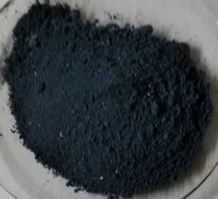
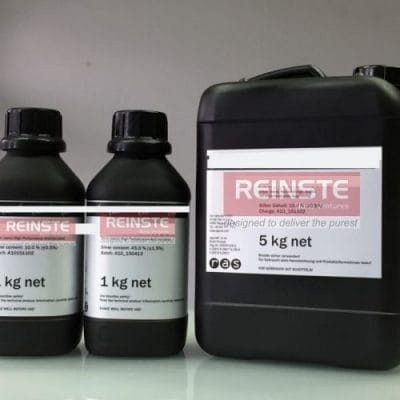
The demand for hygienic solutions extends beyond urban consumers. There is a significant opportunity to introduce products like silver wrapping sheets for sanitary purposes in rural markets. Furthermore, the development of cost-effective silver printing paper could revolutionize official documents, currency, and certificates by embedding an additional layer of security and hygiene. The key lies in developing scalable production processes and educating the market about the benefits of these advanced materials. Sourcing raw materials, like high-purity nano silver powders or stable aqueous solutions, from reliable domestic suppliers is the first critical step for any R&D or manufacturing venture in this space.
Frequently Asked Questions
Silver nanoparticles (AgNPs) release silver ions (Ag+) which disrupt essential functions in microbes like bacteria, viruses, and fungi. These ions can damage cell membranes, inhibit enzyme activity, and interfere with DNA replication, effectively neutralizing the pathogens and preventing their growth on the paper surface.
Yes, when produced under controlled conditions and using appropriate concentrations, silver nanoparticle-coated paper is safe for human contact. The nanoparticles are typically embedded or coated in a way that minimizes leaching. They have been approved for use in various consumer products, including food packaging and textiles, by regulatory bodies worldwide. However, research and adherence to safety standards are crucial.
The environmental impact is an active area of research. The key is to ensure the silver nanoparticles are securely bound to the paper fibers to prevent them from entering waterways. Innovations in green synthesis and stable coating technologies are focused on creating eco-friendly antimicrobial paper products that are both effective and sustainable.
Indian researchers and companies can source high-purity silver nanoparticles and related antimicrobial additives from specialized suppliers like Hiyka. They provide a range of products suitable for R&D and industrial applications, from dry nanopowders to water-based antimicrobial solutions.