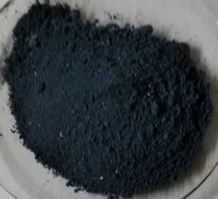
The Dawn of Nano-Healing: A New Era for Wound Care in India
For centuries, silver has been humanity's silent guardian against infection. Today, this ancient remedy is being reborn through the power of nanotechnology. We are standing at the cusp of a healthcare revolution, particularly in the field of wound care, and at its heart are silver nanoparticles. For the vibrant community of Indian researchers, scientists, and medical professionals, this isn't just an academic curiosity; it's a tangible opportunity to solve one of the most persistent challenges in medicine: the effective management of wounds and the growing threat of antibiotic-resistant bacteria.
Traditional wound dressings have served us well, but they often fall short in the face of complex wounds, severe burns, or chronic ulcers, which are significant health burdens in India. The emergence of antimicrobial wound care powered by nanotechnology offers a sophisticated solution. By shrinking silver down to the nanoscale, we unlock unprecedented properties. These tiny particles, thousands of times smaller than a human hair, can be integrated into nano dressings and silver medical dressings, creating a potent barrier against a broad spectrum of pathogens. This technology is not just about preventing infection; it's about actively promoting faster, more efficient wound healing. As India continues to establish itself as a global hub for R&D and pharmaceutical manufacturing, understanding and harnessing the potential of wound healing nanotechnology is paramount.
Why Researchers Should Focus on Silver Nanoparticle Dressings
-
Broad-Spectrum Antimicrobial Efficacy
Silver nanoparticles exhibit powerful antimicrobial properties against a wide range of bacteria (including MRSA and VRE), fungi, and viruses. This offers a robust alternative in an era of rising antibiotic resistance, a critical area of research in India.
-
Enhanced Healing Properties
Beyond just killing microbes, research indicates that silver nanoparticles can modulate inflammation and promote cellular processes essential for tissue regeneration. Investigating these mechanisms can lead to groundbreaking discoveries in nano wound healing.
-
Versatility in Formulation
AgNPs can be incorporated into various substrates—hydrogels, films, fibers, and ointments. This versatility allows researchers to design and patent novel silver medical dressings and delivery systems tailored for specific wound types, from diabetic foot ulcers to severe burns.
-
High Market Potential and Government Support
With initiatives like "Make in India," there is a strong push for indigenous development of advanced medical technologies. Research in nano dressings aligns perfectly with national priorities, increasing the likelihood of securing grants and industry collaborations.
Industrial Applications: From Lab to Life-Saving Products
Chronic Wound Management
Diabetic foot ulcers and venous leg ulcers are major challenges in India. Nano antimicrobial patches and hydrogels containing silver nanoparticles provide sustained antimicrobial action, manage exudate, and create a moist healing environment, significantly improving patient outcomes.
Burn and Trauma Care
Burn wounds are highly susceptible to infection. Advanced silver bandages and dressings form a protective barrier, prevent sepsis, reduce pain during dressing changes, and can even minimize scarring by promoting organized tissue repair.
Post-Surgical Site Infection Prevention
The use of silver wound treatment dressings on surgical incisions can drastically lower the risk of hospital-acquired infections. This leads to shorter hospital stays, reduced healthcare costs, and better surgical success rates.
Advanced First Aid and Military Medicine
The development of compact and highly effective nano healing bandages is of immense interest for military and emergency medicine. These advanced bandages can provide immediate, potent antimicrobial protection in the field, stabilizing injuries until further medical care is available.
The Indian Nanotechnology Landscape: Trends and Opportunities
The Indian government and private sector are increasingly recognizing the strategic importance of nanotechnology. The "Nano Mission," a flagship program by the Department of Science and Technology, has been instrumental in building R&D infrastructure and fostering a collaborative ecosystem. For researchers working with silver nanoparticles for antimicrobial wound dressings, this translates into tangible opportunities. There is a growing demand for locally developed, cost-effective advanced healthcare solutions. Companies are actively seeking partnerships with academic institutions to translate laboratory research into commercially viable products.
A key trend is the development of "smart" nano dressings. These are not just passive antimicrobial barriers but active participants in the healing process. Future research will likely focus on multifunctional dressings that combine silver nanoparticles with growth factors, sensors to monitor wound status (pH, bacterial load), and on-demand drug delivery systems. The convergence of nanotechnology, biotechnology, and IoT (Internet of Things) is poised to create the next generation of silver wound care solutions. Professionals and researchers in India are uniquely positioned to lead this charge, leveraging the country's strong foundation in IT and pharmaceutical sciences to innovate in the field of wound healing nanotechnology.
Frequently Asked Questions
Silver nanoparticles (AgNPs) have a high surface-area-to-volume ratio, allowing them to release silver ions (Ag+) efficiently. These ions disrupt bacterial cell membranes, inhibit DNA replication, and deactivate essential proteins, providing broad-spectrum antimicrobial activity against bacteria, fungi, and viruses, including antibiotic-resistant strains.
Yes, when properly engineered. Modern silver nano dressings are designed for controlled release of silver ions, minimizing toxicity to human cells while maximizing antimicrobial effects. They have undergone extensive testing and are approved by regulatory bodies for medical applications like chronic wound care and burn treatment.
Beyond their antimicrobial properties, silver nanoparticles help reduce inflammation, a key factor in healing. By preventing infection and modulating the inflammatory response, they create an optimal environment for tissue regeneration and can accelerate the overall wound healing process.
The primary difference is the particle size and efficiency. Traditional dressings use bulk or micro-sized silver, which has a slower, less efficient ion release. Nano silver dressings use nanoparticles, offering a much larger surface area for faster, more potent, and sustained antimicrobial action at lower concentrations, making them more effective and advanced.