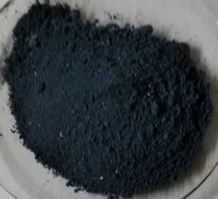
The Nano-Revolution in Indian Fields: An Introduction to Silver Agrochemicals
India's agricultural sector, the backbone of its economy, stands at a critical juncture. The relentless pressure to feed a burgeoning population, coupled with the escalating challenges of climate change and pathogen resistance, demands a paradigm shift from conventional farming practices. Traditional pesticides, while instrumental in the Green Revolution, now face scrutiny for their environmental toll and diminishing efficacy. This is where nanotechnology, specifically the use of silver nanoparticles in agricultural pesticides, emerges as a beacon of hope. This cutting-edge field, known as nano crop protection, is not just a futuristic concept; it's a practical, unfolding reality offering tangible solutions for today's farmers and researchers.
Silver, known for centuries for its antimicrobial properties, is being re-engineered at the nanoscale to create a powerful silver agrochemical solution. These nanoparticles (AgNPs) possess an incredibly high surface-area-to-volume ratio, which dramatically amplifies their ability to combat a wide spectrum of plant pathogens, including resilient fungi, bacteria, and viruses. For Indian researchers and agricultural R&D institutions, this opens up a new frontier. The development of a potent nano agriculture solution signifies a move towards precision farming—a system where inputs are applied more effectively, leading to higher yields, reduced chemical loads, and a healthier ecosystem. This article delves into the transformative potential of silver nanoparticles, exploring their benefits, diverse applications, and the burgeoning opportunities for their adoption within the Indian agricultural landscape.
Core Benefits for Researchers and Agricultural Innovators
For the scientific community in India, the integration of silver nanoparticles into crop protection strategies offers a wealth of research opportunities and practical advantages. This technology is more than just an incremental improvement; it represents a fundamental enhancement of pesticide formulation and delivery.
- Broad-Spectrum Efficacy: Silver nanoparticles exhibit powerful antimicrobial activity against a wide range of pathogens. This allows researchers to develop single-formulation solutions that can tackle complex infections involving both fungal and bacterial strains, simplifying field applications.
- Enhanced Bioavailability: The nanoscale size of AgNPs allows for better absorption and translocation within the plant system. This means the active ingredients in a pesticide additive are delivered more directly to the target sites, increasing the overall effectiveness of the treatment.
- Dose Reduction and Efficiency: By acting as a potent antimicrobial agent and an efficient carrier, silver nanoparticles can significantly enhance the performance of conventional pesticides. This "synergistic effect" allows for a substantial reduction in the required dosage of traditional chemicals, mitigating issues of chemical runoff and soil toxicity.
- Overcoming Resistance: Many plant pathogens have developed resistance to conventional chemical treatments. Silver nanoparticles employ multiple modes of action—such as disrupting cell membranes and inhibiting DNA replication—making it significantly harder for microbes to develop resistance. This offers a sustainable long-term strategy for crop protection.
- Platform for Novel Formulations: The use of AgNPs as a nano plant treatment provides a stable and versatile platform for creating next-generation agrochemicals. Researchers can explore novel combinations, controlled-release mechanisms, and targeted delivery systems, driving innovation in the agrochemical industry.
From Lab to Land: Key Applications of Silver Nanoparticles
The theoretical benefits of silver nanoparticles translate into a wide array of practical applications across Indian agriculture. This technology is not confined to a single crop or region but offers versatile solutions for some of the most persistent challenges faced by farmers.
Antifungal and Antibacterial Agent
Silver nanoparticles are highly effective against devastating fungal diseases like powdery mildew, rusts, and blights, as well as bacterial infections such as bacterial leaf spot. When used in a silver crop care spray, they inhibit spore germination and mycelial growth, protecting high-value horticultural and cereal crops.
Seed Treatment and Priming
Treating seeds with a nano silver solution before sowing provides a protective shield against seed-borne and soil-borne pathogens. This nano plant treatment ensures higher germination rates, healthier seedlings, and robust early-stage growth, setting the foundation for a productive crop cycle.
Water Purification for Irrigation
In hydroponics, aeroponics, and drip irrigation systems, water quality is paramount. Adding a minuscule amount of silver nanoparticles to irrigation water helps control algae and harmful bacteria like *Pythium*, preventing root rot and ensuring the nutrient solution remains clean and effective.
Post-Harvest Protection
The journey of produce doesn't end at harvest. Applying a light mist of a food-grade silver nanoparticle solution can extend the shelf life of fruits and vegetables by preventing microbial spoilage during storage and transportation, a critical concern for reducing food waste in India's supply chain.
Opportunities and Trends: The Indian Context for Nano Agriculture
The adoption of nano agriculture solutions in India is poised for significant growth, driven by a confluence of government initiatives, market demands, and scientific advancements. The "Make in India" campaign encourages domestic production of high-tech materials, and developing a proprietary silver agrochemical fits perfectly within this vision. Research institutions and agricultural universities are increasingly focusing on nanotechnology, creating a skilled talent pool ready to innovate in the field of nano crop protection.
Furthermore, there is a growing consumer demand for safer food with minimal chemical residues. The ability of a silver nanoparticle-based pesticide additive to reduce the reliance on conventional pesticides aligns with this trend towards sustainable and responsible farming. The silver field application is becoming more feasible as the cost of producing nanoparticles decreases and formulation techniques improve. For Indian agrochemical companies and startups, this represents a massive opportunity to develop and market a new class of highly effective, environmentally conscious products. The future lies in creating targeted, crop-specific nano-formulations that address the unique challenges of India's diverse agro-climatic zones, making silver crop care a cornerstone of modern Indian agriculture.
Frequently Asked Questions
Silver nanoparticles are extremely small particles of silver, typically between 1 and 100 nanometers in size. Their high surface-area-to-volume ratio gives them unique antimicrobial, optical, and conductive properties not found in bulk silver.
As a pesticide additive, silver nanoparticles enhance the efficacy of traditional chemicals. They act as a powerful antimicrobial agent, disrupting the cellular processes of fungi, bacteria, and viruses. They can also act as a carrier, improving the delivery and absorption of the primary pesticide, which allows for lower overall chemical usage.
The environmental impact of nano-agrochemicals is a key area of research. The goal of using silver nanoparticles is to reduce the total volume of conventional, often more toxic, pesticides applied to fields. This targeted approach minimizes chemical runoff and soil contamination. However, ongoing research is crucial to establish long-term ecological safety standards and best practices for their application.
Currently, the use of engineered nanomaterials like silver nanoparticles is generally not permitted under most organic farming certifications in India and globally. The regulatory landscape is evolving as more research on their biocompatibility and environmental fate becomes available. Researchers are exploring green-synthesized AgNPs, which may offer a path to future acceptance in sustainable agriculture.