The Unseen Revolution: Tapping into Nanotechnology for Water Security
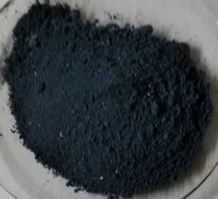
India, a nation of immense diversity and rapid growth, faces a critical challenge that underpins its progress: water security. The quest for safe, potable water is a daily reality for millions. While conventional water treatment methods have served us for decades, the rise of resilient microbial contaminants and the environmental impact of chemical disinfectants call for a paradigm shift. This is where nanotechnology, specifically the integration of silver nanoparticles (AgNPs) into filtration systems, emerges as a game-changer for Indian researchers, industries, and communities.
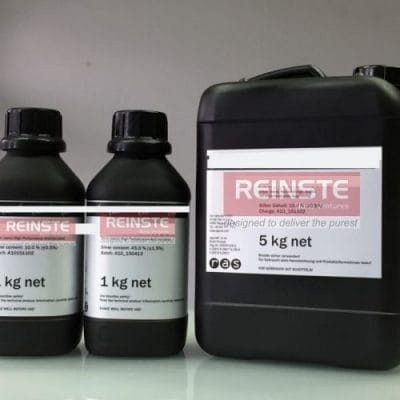
The concept of using silver for purification is not new; it's a practice rooted in ancient wisdom. However, modern science has magnified its power. By engineering silver at a nanoscale, we unlock unprecedented antimicrobial properties. Silver-coated filters and membranes with AgNP integration represent the frontier of water treatment technology. These systems offer superior disinfection efficiency, targeting a broad spectrum of pathogens with remarkable precision. For a country striving to achieve the goals of the Jal Jeevan Mission and "Make in India," this technology is not just an innovation—it's a cornerstone for a healthier, self-reliant future.
Why Researchers and Innovators Should Focus on AgNP Water Treatment
For the Indian R&D community, delving into silver-based nano-filtration offers a fertile ground for innovation with tangible impact. The scientific and practical advantages are compelling:
- Exceptional Disinfection Efficiency: AgNPs provide a powerful, multi-pronged attack on microbes. They disrupt cell membranes, inhibit respiratory enzymes, and interfere with DNA replication, proving highly effective against even chlorine-resistant bacteria and viruses.
- Broad-Spectrum Antimicrobial Action: Unlike targeted antibiotics, silver is effective against hundreds of pathogens, including bacteria (E. coli, Salmonella), viruses, and fungi, making it a robust solution for diverse water sources.
- Reduced Chemical Dependency: By enhancing microbial filtration, silver-coated filters reduce the required dosage of chemical disinfectants like chlorine. This minimizes the formation of harmful disinfection by-products (DBPs) such as trihalomethanes, which are linked to long-term health risks.
- Prevention of Biofouling: Biofouling—the growth of microbial biofilms on filter surfaces—is a major challenge in membrane technology, reducing efficiency and lifespan. AgNP integration provides a continuous antimicrobial effect, keeping filter surfaces clean and ensuring consistent performance.
- Scalability and Versatility: The technology is incredibly adaptable. It can be implemented in large-scale municipal water treatment plants, industrial wastewater facilities, and crucially, in decentralized, point-of-use (POU) systems for rural and underserved communities.
- Alignment with National Priorities: Research in this domain directly supports national missions focused on clean water, public health, and advanced manufacturing, opening up significant funding and collaboration opportunities.
From the Lab to the Community: Real-World Applications
The potential of silver-based purification technology extends across various sectors, addressing specific challenges with tailored solutions.
Municipal Water Purification
Integrating AgNP-coated filters as a pre-treatment or final polishing step in municipal plants can act as a robust barrier against microbial breakthroughs, ensuring the water supplied to millions of homes is consistently safe and enhancing public health security.
Point-of-Use (POU) Systems
For households and communities without access to centralized treatment, silver-integrated gravity-fed or faucet-mounted filters provide a reliable, low-cost, and low-maintenance solution for obtaining potable water, directly empowering users to manage their water safety.
Industrial Wastewater Treatment
Industries like pharmaceuticals, textiles, and food processing require sterile water. AgNP technology prevents microbial contamination and biofouling in reverse osmosis (RO) and nano-filtration systems, improving efficiency, reducing downtime, and helping meet environmental compliance.
Emergency and Disaster Relief
During floods or other natural disasters, water sources become heavily contaminated. Portable water filters equipped with silver nanoparticles can be rapidly deployed to provide safe drinking water to affected populations, preventing outbreaks of waterborne diseases.
The Indian Context: Opportunities and Future Trends
The landscape for advanced purification technology in India is ripe with opportunity. The government's strong focus on the Jal Jeevan Mission, which aims to provide piped water to every rural household, necessitates innovative and sustainable solutions. Silver-coated filters and AgNP integration are perfectly positioned to fill this need, offering a decentralized model for contamination removal that is both effective and scalable.
Furthermore, the "Make in India" initiative encourages domestic R&D and manufacturing. Indian researchers and companies have a unique chance to lead in the development and production of these advanced filtration materials. The market is shifting from basic filters to smart, multi-functional purification systems. We are seeing a trend towards hybrid filters that combine silver nanotechnology with other methods like activated carbon (for chemical removal) and ultrafiltration (for physical particle removal), creating comprehensive solutions for safe drinking water.
Investment in this area is not just about commercial success; it's about building resilient infrastructure. As climate change exacerbates water scarcity and quality issues, technologies like nano-filtration will become indispensable tools for water resource management, ensuring a sustainable supply of potable water for future generations.
Frequently Asked Questions
Silver-coated filters leverage the natural antimicrobial properties of silver ions (Ag+). When water passes through the filter, these ions are released and penetrate the cell walls of bacteria, viruses, and fungi. They disrupt essential metabolic processes and inhibit DNA replication, effectively neutralizing the pathogens and leading to significantly higher disinfection efficiency compared to conventional methods.
Yes, when engineered correctly. The key is to immobilize the silver nanoparticles (AgNPs) onto the filter substrate, preventing them from leaching into the treated water. Modern nano-filtration systems are designed to ensure AgNP stability, and the concentration of any released silver is well below the safety limits prescribed by organizations like the World Health Organization (WHO), ensuring the water is safe for consumption.
The primary advantage of nano-filtration with AgNP integration is its ability to provide broad-spectrum microbial filtration without relying heavily on chemical disinfectants like chlorine. This reduces the formation of harmful disinfection by-products (DBPs), improves the taste and odor of water, and offers a robust barrier against a wider range of contaminants, including bacteria, viruses, and some dissolved solids.
Absolutely. This technology is highly scalable. It can be integrated into large municipal plants as well as compact, low-maintenance point-of-use (POU) systems. These POU devices are ideal for rural and remote communities in India, providing a reliable source of potable water without the need for complex infrastructure or a constant power supply.
In industrial settings, AgNP-integrated filters are crucial for biofouling control in membranes and pipelines. By preventing microbial growth, they enhance the longevity and efficiency of purification systems, reduce operational costs, and help industries meet stringent environmental discharge regulations. This is particularly relevant for sectors like pharmaceuticals, textiles, and food processing in India.