The Dawn of a New Catalytic Era in India
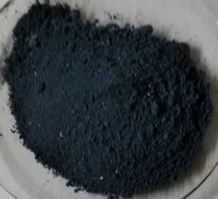
In the landscape of India's burgeoning industrial and research sectors, the quest for materials that offer higher efficiency, sustainability, and novel functionalities is paramount. Among the frontrunners in this materials revolution is nanosilver powder. This remarkable substance is not just a finer version of silver; it's a paradigm shift in material science, acting as a potent chemical catalyst and a cornerstone for next-generation technologies. For Indian researchers and professionals, understanding the capabilities of this nano catalyst is no longer optional—it's essential for staying at the competitive edge.
The secret to nanosilver's power lies in its scale. When silver is reduced to nanoparticles (typically 1-100nm), its surface-area-to-volume ratio increases exponentially. This vast surface area provides countless active sites for chemical reactions to occur, making it an incredibly efficient industrial catalyst. From accelerating complex chemical syntheses to enabling the creation of advanced nanosilver ink for printed electronics, its applications are as diverse as they are impactful. This blog delves into the world of nanosilver powder, exploring its benefits, applications, and the immense opportunities it presents for the Indian market.
Why Nanosilver is a Superior Catalyst for Researchers
-
Unmatched Catalytic Activity
The massive surface area of nanosilver powder provides significantly more active sites than conventional catalysts, leading to faster and more efficient chemical reactions.
-
Enhanced Selectivity
As a finely-tuned silver catalyst, it can be engineered to favor specific reaction pathways, resulting in higher yields of the desired product and fewer unwanted by-products.
-
Versatility in Applications
From creating conductive ink for flexible electronics to applications in environmental remediation, its utility spans numerous high-growth sectors in India.
-
Operational at Lower Temperatures
Many reactions using a nano catalyst can be performed under milder conditions, saving energy and reducing operational costs for industries.
Key Industrial Applications in the Indian Context
Printed and Flexible Electronics
This is arguably one of the most exciting frontiers. Nanosilver ink is the lifeblood of printed electronics. The fine silver nanoparticle ink is used in silver inkjet systems for conductive printing of antennas, RFID tags, sensors, and even flexible displays. This technology is crucial for developing IoT devices and wearables, a market experiencing explosive growth in India. The ability to create a nano circuit on flexible substrates opens doors for innovation in med-tech, smart packaging, and consumer electronics.
Chemical Synthesis & Petrochemicals
In the chemical industry, nanosilver powder serves as a superior industrial catalyst for oxidation reactions, such as the production of ethylene oxide and formaldehyde. Its high selectivity minimizes waste and maximizes yield, a critical factor for cost-sensitive Indian manufacturing. The use of a robust silver catalyst ensures longer catalyst life and stable performance, directly impacting the profitability and sustainability of chemical plants.
Environmental Remediation
With growing environmental concerns, nanosilver offers green solutions. As a chemical catalyst, it is highly effective in the degradation of organic pollutants in industrial wastewater. It can also catalyze the reduction of harmful nitrophenols into valuable aminophenols. This dual benefit of pollution control and value creation is particularly relevant for India's "Clean Ganga" and other environmental missions.
Antimicrobial Agents & Coatings
While its catalytic properties are primary, nanosilver's renowned antimicrobial capabilities are a significant bonus. It's used as an additive in paints, textiles, and medical equipment to prevent microbial growth. This catalytic action against microbes makes it a valuable component in creating hygienic surfaces and products, a key area of R&D in post-pandemic India.
India-Specific Trends and Opportunities
The Indian government's focus on "Make in India" and establishing a robust electronics manufacturing ecosystem provides a fertile ground for technologies based on nanosilver ink and conductive ink. Research institutions like the IITs and IISc are actively involved in nano-material research, creating a skilled talent pool. There is a clear trend towards developing low-cost, high-volume flexible electronics, where nano printing with electronic ink will be a core manufacturing process. For Indian businesses, investing in R&D or adopting nanosilver powder as a key industrial catalyst can lead to significant competitive advantages, both locally and globally.