Pioneering a New Standard in Surface Hygiene
In our increasingly health-conscious world, the surfaces we touch every day are under scrutiny. From office desks and hospital beds to the furniture in our homes, the threat of microbial contamination is a persistent concern. Traditional cleaning methods offer a temporary solution, but what if our furniture could defend itself? This is the revolutionary promise of Nanosilver Polyurethane, an advanced furniture surface material poised to redefine hygiene standards, particularly within the context of Indian research, development, and manufacturing.
Polyurethane (PU) is already a ubiquitous material in furniture, prized for its durability, flexibility, and smooth finish in foams, coatings, and leathers. The innovation lies in integrating silver at the nanoscale. Silver has been known for its antimicrobial properties for centuries, but nanotechnology amplifies its power. By embedding tiny nanosilver particles directly into the polyurethane matrix, we create a silver polymer blend that actively inhibits the growth of bacteria, fungi, and other microbes, 24/7. This isn't just a coating; it's a fundamental property of the material itself, offering continuous protection for the lifespan of the furniture.
For India, a nation at the forefront of both technological adoption and manufacturing growth, the advent of antimicrobial furniture represents a significant opportunity. It aligns perfectly with national initiatives like 'Make in India' and addresses the pressing need for enhanced public health infrastructure. For researchers, it opens new frontiers in material science. For industries, it offers a powerful value proposition: creating products that are not only functional and aesthetic but also actively contribute to a healthier environment.
Key Benefits for Researchers and Industry
The adoption of nanosilver-infused polyurethane for furniture applications offers a compelling range of advantages that resonate with both the scientific community and commercial enterprises in India.
- Continuous Antimicrobial Efficacy: Unlike disinfectant sprays, the antimicrobial action is built-in. The nano foam silver or silver soft touch surface works relentlessly to neutralize microbes, reducing the bioburden on high-touch surfaces and lowering the risk of cross-contamination in critical environments like hospitals and clinics.
- Enhanced Durability and Longevity: The nano polyurethane matrix protects the silver particles, ensuring they are not worn away by cleaning or physical abrasion. This results in a durable furniture silver finish that maintains both its aesthetic appeal and its hygienic function for years, offering a superior return on investment.
- Design Versatility: The integration of nanosilver does not compromise the physical properties of polyurethane. This means manufacturers can still produce a wide range of products—from soft silver cushion foam to hard, glossy tabletops—without sacrificing design, color, or texture.
- Research and Innovation Gateway: For Indian researchers, this technology is a fertile ground for innovation. There are immense opportunities to study particle dispersion, optimize silver concentrations for different pathogens, explore new polymer blends, and assess long-term environmental impact, contributing to a global body of knowledge.
Transforming Industries: Key Applications
Healthcare & Hospitals
In environments where hygiene is paramount, nanosilver PU can be used for bed rails, overbed tables, waiting room seating, and nurses' station countertops. This provides an active layer of defense against hospital-acquired infections (HAIs).
Public Transport & Venues
The high-traffic surfaces of buses, trains, airports, and schools are breeding grounds for germs. A nano seat surface or coated handrails can significantly reduce microbial presence and enhance public safety.
Offices & Hospitality
From conference tables and office chairs to hotel lobby furniture and restaurant booths, using a nano coating resin ensures a cleaner environment for employees and guests, reflecting a commitment to well-being.
The Indian Context: A Market Ripe for Innovation
The convergence of several key trends makes India an ideal market for the rapid adoption and development of Nanosilver Polyurethane technology. The post-pandemic era has permanently elevated health and hygiene in the public consciousness. Consumers and businesses are now actively seeking solutions that offer tangible health benefits, creating a strong market pull for antimicrobial furniture.
Furthermore, the 'Make in India' initiative encourages domestic manufacturing and technological self-reliance. Developing and producing advanced materials like silver polymer blends locally would not only reduce import dependency but also create high-skilled jobs and position India as a leader in the advanced materials sector. Indian furniture manufacturers can leverage this technology to differentiate their products in a crowded market, offering a premium furniture silver finish that commands a higher value.
The research community in India, with its strong foundation in chemistry and material science, is perfectly poised to innovate further. There is vast potential in optimizing the nano coating resin for tropical climates, studying its efficacy against local microbial strains, and developing cost-effective production methods. Collaborations between academic institutions and industry can accelerate the transition from lab-scale research to commercial production, creating a vibrant ecosystem for this next-generation furniture surface material.
Frequently Asked Questions
Nanosilver Polyurethane is an advanced composite material where nano-sized particles of silver are integrated into a polyurethane (PU) matrix. This creates a durable surface material, like a coating, foam, or resin, with powerful, long-lasting antimicrobial properties, making it ideal for furniture and high-touch surfaces.
Yes, it is generally considered safe. The silver nanoparticles are embedded within the polymer matrix, which minimizes their release. Reputable manufacturers conduct rigorous testing to ensure their products meet safety standards for consumer use, including in environments like hospitals and homes.
The antimicrobial effect is designed to last for the functional lifetime of the furniture surface. Because the nanosilver is integrated into the material rather than being a temporary surface coating, it remains effective as long as the surface is intact, continuously inhibiting microbial growth.
Yes, specialized nanosilver polyurethane coatings can be formulated for retrofitting existing furniture. These coatings can be applied to various surfaces like wood, metal, or plastic to provide an antimicrobial layer, upgrading their hygiene standards. However, for best results, integration during manufacturing is preferred.
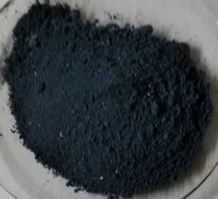
Indian researchers and manufacturers can source high-quality nanosilver powders, solutions, and additives from specialized suppliers like Hiyka, which provides a range of nanomaterials for industrial and research applications, supporting innovation in fields like antimicrobial surfaces.