The Dawn of a New Era: Nanosilver Ink in India's Tech Landscape
The world of electronics is undergoing a paradigm shift. Rigid, brittle circuit boards are making way for flexible, stretchable, and even printable electronics that can be integrated into almost any surface. At the heart of this revolution is a remarkable material: nanosilver ink for printed electronics applications. For India, a nation rapidly ascending as a global hub for technology and manufacturing, the advent of this conductive ink isn't just an innovation—it's a gateway to unprecedented industrial growth and R&D opportunities.
Traditionally, creating electronic circuits was a subtractive process, involving etching away material from a copper-clad board. This method is effective but wasteful and limited to rigid substrates. Printed electronics flips this script entirely. Using techniques like inkjet or screen printing, conductive materials are precisely deposited onto a substrate, building a nano circuit layer by layer. This additive approach minimizes waste, reduces cost, and unlocks the potential to print on flexible materials like plastic, paper, and textiles.
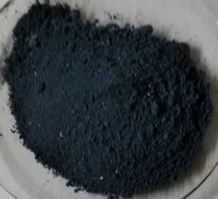
This is where silver nanoparticle ink shines. Composed of minuscule silver particles (typically 20-100nm in size) dispersed in a solvent, this electronic ink offers a unique combination of high conductivity, printability, and low-temperature curing. For Indian researchers and professionals, mastering nano printing with nanosilver is key to developing next-generation products in sectors ranging from healthcare to consumer electronics and renewable energy.
Why Researchers are Turning to Nanosilver Ink
The properties of nanosilver ink provide distinct advantages for both academic research and industrial application, making it a focal point for material scientists and engineers in India.
- Exceptional Conductivity: After curing, nanosilver traces exhibit conductivity approaching that of bulk silver, ensuring high performance for electronic components.
- Low-Temperature Sintering: Unlike conventional conductive pastes that require high-temperature firing, silver nanoparticles can be sintered at temperatures as low as 100-150°C. This is crucial for flexible electronics, as it allows printing on heat-sensitive polymer and paper substrates.
- High-Resolution Printing: The small particle size in silver inkjet formulations enables the printing of extremely fine lines and complex patterns, essential for miniaturized and high-density circuits.
- Mechanical Flexibility: Circuits printed with nanosilver ink can withstand bending and stretching, making them perfect for wearable technology, flexible displays, and smart textiles.
- Process Efficiency: Additive manufacturing with conductive printing is faster and more resource-efficient than traditional PCB fabrication, aligning with India's goals for sustainable and cost-effective manufacturing.
Transforming Industries: Key Applications
Flexible Electronics & Displays
From rollable OLED screens to smart packaging with embedded indicators, nanosilver ink is the backbone of the flexible electronics market. Its ability to be printed on substrates like PET and PEN enables the creation of devices that were once the stuff of science fiction.
Wearable & Medical Sensors
Imagine a t-shirt that monitors your heart rate or a bandage that tracks wound healing. Nanosilver ink allows for the printing of biocompatible sensors directly onto textiles and flexible patches, revolutionizing personalized healthcare and wellness monitoring.
RFID Antennas & Smart Cards
The production of Radio-Frequency Identification (RFID) antennas is a major application. The high-speed, roll-to-roll printing of nanosilver antennas drastically reduces the cost and increases the production throughput for logistics, retail, and security applications.
Photovoltaics (Solar Cells)
In solar cell manufacturing, nanosilver ink is used to print the fine grid of conductive lines (electrodes) on the surface of silicon wafers. This enhances electron collection efficiency, thereby boosting the overall performance of the solar panel.
Opportunities and Trends for Nanosilver Ink in India
The Indian electronics market is on a steep growth trajectory, driven by initiatives like 'Make in India' and the Production Linked Incentive (PLI) scheme. This creates a fertile ground for advanced materials like nanosilver ink. The demand for low-cost, high-performance electronics is surging across the subcontinent, opening specific opportunities for researchers and businesses working with conductive printing technologies.
One of the most significant areas is in affordable healthcare diagnostics. Researchers at leading Indian institutes are exploring the use of paper-based microfluidic devices with printed nanosilver electrodes for rapid disease detection. This aligns perfectly with the national agenda of making healthcare accessible and affordable for all. The development of a domestic supply chain for silver nanoparticle ink is critical to reducing import dependency and fostering self-reliance in this high-tech sector.
Furthermore, the burgeoning IoT (Internet of Things) ecosystem in India requires billions of smart sensors and connected devices. Nano printing with nanosilver provides a scalable and economical manufacturing solution for the antennas and circuits needed for these devices. As India pushes towards smart cities and digital infrastructure, the role of printed electronics, and by extension, the nano circuit components made from electronic ink, will become increasingly vital.
Frequently Asked Questions
Nanosilver ink is a specialized conductive ink that contains silver nanoparticles suspended in a liquid medium. When printed onto a substrate and cured (typically through heating or photonic sintering), the nanoparticles fuse together to form a highly conductive metallic trace, creating functional electronic circuits and components.
Its key advantage is the low processing temperature required for curing, which makes it compatible with heat-sensitive flexible substrates like plastic (PET, PEN) and paper. Furthermore, the resulting conductive traces can withstand bending and flexing without breaking, a critical requirement for wearable devices and flexible displays.
Challenges include ensuring stable dispersion of nanoparticles to prevent clogging of inkjet heads, optimizing curing parameters for different substrates, managing costs (as silver is a precious metal), and addressing potential environmental concerns related to nanoparticle disposal and lifecycle.
The environmental impact of nanosilver is an active area of research. While it offers benefits like reduced material waste compared to subtractive manufacturing, concerns exist about the potential toxicity of silver nanoparticles if they leach into ecosystems. Responsible handling, recycling, and end-of-life management are crucial for sustainable implementation.
Indian researchers can source high-purity silver nanoparticles and related materials from specialized suppliers like Hiyka, which offers a range of nanomaterials tailored for academic and industrial research, ensuring consistent quality and performance for developing advanced nanosilver inks.