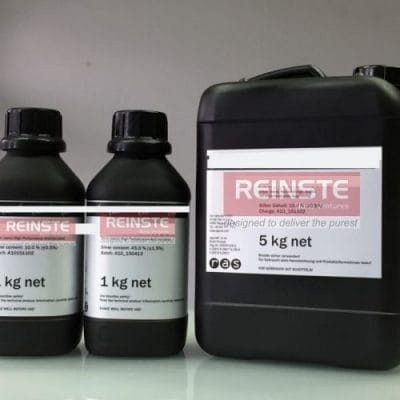
In the heart of India's rapidly expanding urban landscapes, a silent challenge looms large: indoor air quality. As buildings become more insulated for energy efficiency, they inadvertently trap pollutants, creating environments where bacteria, viruses, and mold can thrive. For researchers, facility managers, and industry leaders, ensuring clean air is no longer a luxury but a critical necessity. This is where the convergence of nanotechnology and public health presents a groundbreaking solution: nanosilver antimicrobial coatings for HVAC systems.
Heating, Ventilation, and Air Conditioning (HVAC) systems are the lungs of modern buildings. While they provide thermal comfort, they can also become breeding grounds for harmful microorganisms. These contaminants circulate throughout a facility, contributing to respiratory issues and the spread of infectious diseases. Traditional cleaning methods offer only a temporary fix. However, an innovative approach leveraging the potent properties of silver nanoparticles is changing the game in HVAC hygiene. This technology offers a persistent, effective, and long-term strategy for nano air purification, a field of immense relevance to Indian R&D and industry aiming for global standards in health and safety.
Key Benefits for Indian Researchers and Industries
Adopting nanosilver HVAC technology is not just an upgrade; it's a strategic investment with far-reaching advantages. For the Indian market, which is characterized by a push for innovation and public well-being, these benefits are particularly compelling:
- Enhanced Public Health: By continuously neutralizing pathogens within the HVAC system, from the silver air filter to the silver ductwork, these coatings drastically reduce the circulation of airborne microbes. This is crucial for preventing infections in sensitive environments like hospitals, schools, and public transport.
- Improved HVAC Efficiency and Longevity: Biofilm—a slimy layer of bacteria—is a major culprit behind reduced HVAC efficiency. Nanosilver coatings prevent its formation on cooling coils and drain pans, ensuring optimal heat transfer and airflow. This leads to lower energy consumption and extends the lifespan of expensive HVAC components.
- Cost-Effectiveness and Sustainability: The long-lasting nature of a nano HVAC coating reduces the frequency and intensity of manual cleaning, saving on labor and chemical costs. This reduction in harsh disinfectant usage makes it an environmentally friendly choice, aligning with green building standards and sustainability goals.
- Competitive R&D and Market Advantage: For Indian researchers, this field offers vast opportunities for developing and patenting new formulations. For businesses, offering facilities with advanced antimicrobial ventilation provides a significant competitive edge, attracting health-conscious clients and tenants.
Revolutionizing Industries: Applications of Nanosilver HVAC Coatings
The application of nanosilver-infused antimicrobial coatings for HVAC systems spans across numerous sectors, each with a critical need for superior air quality. This technology is a versatile solution for some of India's most vital industries.
Healthcare Facilities
In hospitals, clinics, and diagnostic labs, the risk of Hospital-Acquired Infections (HAIs) is a major concern. A nanosilver HVAC treatment provides an active line of defense, ensuring that the air circulation system does not contribute to the spread of dangerous pathogens, thus protecting both patients and healthcare workers.
Commercial and Public Spaces
Corporate offices, shopping malls, hotels, and cinemas host large numbers of people in enclosed spaces. Implementing an antimicrobial coating ensures a healthier environment, boosting employee productivity, enhancing customer confidence, and elevating the reputation of the establishment.
Public Transportation
The air within metros, buses, and trains can have high concentrations of airborne microbes. Applying a nano HVAC coating to their ventilation systems is a crucial public health measure, making daily commutes safer for millions of people in India's bustling cities.
Pharmaceuticals & Food Processing
These industries require pristine environments to prevent product contamination. Nano ventilation and coated surfaces ensure that the air quality meets stringent regulatory standards, safeguarding product integrity from manufacturing to packaging.
The Indian Market: Trends and Opportunities in Nano Air Purification
The landscape for advanced technological solutions in India is more fertile than ever. Several converging factors make nano air purification a high-growth area. The Indian government's emphasis on self-reliance through 'Make in India' and public health through 'Swachh Bharat Abhiyan' creates a supportive ecosystem for domestic R&D and manufacturing of nanosilver products. This push encourages local scientists and entrepreneurs to develop indigenous nanosilver HVAC treatment solutions tailored for the Indian climate and infrastructure.
Furthermore, there is a palpable shift in public consciousness. The post-pandemic world has made Indian consumers and corporations acutely aware of the importance of indoor air quality. This demand for healthier living and working spaces is driving the adoption of innovative technologies. Real estate developers are increasingly marketing their properties based on wellness features, with advanced antimicrobial ventilation systems becoming a key selling point. This trend presents a massive opportunity for companies specializing in nanosilver-infused antimicrobial coatings for HVAC systems to capture a market that values health, safety, and technological superiority.
Frequently Asked Questions (FAQ)
Yes, when formulated and applied correctly within HVAC systems, nanosilver coatings are considered safe. The silver nanoparticles are bound within the coating matrix, preventing them from becoming airborne. Regulatory bodies have established safety standards for their use, ensuring minimal risk of exposure and toxicity. It is crucial to use products from reputable manufacturers that adhere to these guidelines.
The longevity of a nanosilver coating's antimicrobial effect is one of its key advantages. Typically, these coatings are designed to last for several years, often for the functional life of the coated component. The durable bond ensures that the nanosilver remains active, continuously neutralizing microbes without diminishing in efficacy, unlike temporary disinfectants.
Absolutely. Many nanosilver antimicrobial coating solutions are designed for retrofitting. They can be applied to existing HVAC systems, including ductwork, cooling coils, and filters, during routine maintenance. This makes it a viable and cost-effective upgrade for improving HVAC hygiene in older buildings.
A silver air filter is a physical filter medium that has silver particles embedded in it to trap and neutralize airborne microbes. A nanosilver coating, on the other hand, is a surface treatment applied to various components of the entire HVAC system (ducts, coils, etc.). The coating provides system-wide protection against microbial growth on surfaces, while a filter primarily acts on the air passing through it.
Nanosilver technology aligns perfectly with green building principles. By preventing the growth of biofilm on HVAC coils, it improves heat exchange efficiency, leading to lower energy consumption. It also reduces the need for frequent cleaning with harsh chemical disinfectants, decreasing chemical waste and improving indoor environmental quality. This contributes to both sustainability and occupant well-being, key goals of green building certifications.