
An Introduction to Nanosilver Water Purification
Access to clean and safe drinking water remains one of the most critical challenges of the 21st century, particularly in a rapidly developing nation like India. While traditional methods like boiling, chlorination, and UV purification have served us well, they come with limitations—dependency on electricity, potential for harmful byproducts, and lack of residual protection. This is where the world of nanotechnology offers a groundbreaking solution: the **nanosilver filter**.
At its core, a **nanosilver filter** is a sophisticated water purification system that leverages the potent antimicrobial properties of silver at the nanoscale. Silver has been known for centuries as a powerful disinfectant, but nanotechnology amplifies its efficacy exponentially. By embedding silver nanoparticles—particles a billionth of a meter in size—into filter media like ceramics or activated carbon, we create a formidable barrier against waterborne pathogens. This **nano water treatment** technology doesn't just trap contaminants; it actively neutralizes them.
For Indian researchers, R&D professionals, and industries, understanding the mechanics and potential of the **silver water filter** is no longer a niche interest—it's a strategic necessity. From developing low-cost, point-of-use purifiers for rural communities to enhancing the safety of industrial process water, nanosilver technology presents a universe of opportunities. This article delves deep into the science, benefits, applications, and future trends of this transformative **antimicrobial water filter**, providing a comprehensive guide for innovators aiming to solve India's water woes.
Key Benefits for Researchers and Innovators
Broad-Spectrum Antimicrobial Efficacy
Nanosilver particles exhibit powerful biocidal effects against a wide range of microorganisms, including bacteria (like E. coli, Vibrio cholerae), viruses, and protozoa. For researchers, this means a single filtration medium can target multiple threats, simplifying system design and enhancing reliability. The high surface-area-to-volume ratio of nanoparticles ensures maximum contact and rapid disinfection.
No Power Requirement & Residual Protection
Unlike UV systems, a **nanosilver filter** operates without electricity, making it ideal for off-grid applications in rural and remote India. Furthermore, it provides residual protection by preventing bio-fouling—the growth of a biofilm on the filter surface. This ensures the **silver purifier cartridge** remains effective over time and prevents secondary contamination of the stored water.
Chemical-Free Disinfection
This **nano water treatment** method avoids the use of chemicals like chlorine, which can form potentially harmful disinfection by-products (DBPs) and affect the taste and odor of water. This is a significant advantage for applications in the food and beverage industry, pharmaceuticals, and for consumers who prefer a natural purification process.
High Versatility and Scalability
Nanosilver can be incorporated into various substrates—ceramics, polymers, activated carbon, and textiles. This allows researchers to innovate across a spectrum of products, from portable **nano water cleaner** bottles and gravity-fed filters to large-scale industrial **silver filtration systems**. The technology is inherently scalable, catering to both individual and community needs.
Industrial and Commercial Applications in India
Point-of-Use (PoU) Water Purifiers
This is the most significant market for **nanosilver-infused filters**. Companies are integrating silver purifier cartridges into domestic RO and UV systems as a post-treatment disinfectant to prevent re-contamination in the storage tank. For India's vast rural population, gravity-based purifiers using nanosilver ceramic candles offer an affordable, electricity-free solution for **nano clean water**.
Healthcare and Medical Facilities
Hospitals and clinics require high-purity, sterile water for equipment and procedures. A **silver filtration system** can be integrated into their water supply lines to control Legionella and other waterborne pathogens, reducing the risk of hospital-acquired infections. It's a critical component for ensuring patient safety.
Food and Beverage Industry
The F&B sector requires microbiologically safe water for processing, washing, and as an ingredient. **Nanosilver water purification** ensures product quality and extends shelf life without adding chemical tastes. It's used in bottling plants, dairies, and breweries to maintain the highest hygiene standards.
Industrial Wastewater Treatment
In industrial settings, controlling microbial growth in cooling towers, process water, and effluent treatment plants is crucial. Nanosilver additives and filters prevent bio-fouling and microbial-induced corrosion, improving operational efficiency and ensuring compliance with environmental regulations. This represents a growing field for **nano water treatment** solutions.
The Indian Landscape: Opportunities and Future Trends
The Indian market for advanced water purification technology is booming, driven by government initiatives, increasing consumer awareness, and pressing environmental needs. The flagship **Jal Jeevan Mission**, aiming for 'Har Ghar Jal' (water in every home), creates an unprecedented opportunity for decentralized, low-cost purification systems where the **nanosilver filter** excels. Researchers and startups can align their innovations with this national priority to secure funding and achieve widespread impact.
A key trend is the development of hybrid filtration systems. The future lies not in replacing RO or UV, but in augmenting them. A multi-barrier approach, where a **silver water filter** acts as a microbiological guard alongside other technologies, offers the most robust and reliable solution. R&D in this area focuses on creating synergistic systems that are efficient, cost-effective, and require minimal maintenance. The demand for a superior **antimicrobial water filter** that complements existing infrastructure is at an all-time high.
Furthermore, there is a growing interest in "green" synthesis of silver nanoparticles using plant extracts, which reduces the environmental footprint of production. Indian researchers, with access to a rich biodiversity, are uniquely positioned to lead in this sustainable R&D. The development of a next-generation **silver filtration system** based on eco-friendly nanoparticles could be a game-changer, appealing to both domestic and international markets seeking sustainable **silver water solutions**.
Frequently Asked Questions
What exactly is a nanosilver filter?
A nanosilver filter is an advanced water purification medium that incorporates silver nanoparticles. These particles, typically ranging from 1-100 nanometers in size, are embedded into a filter matrix (like ceramic or activated carbon). Their primary function is to provide powerful antimicrobial action, killing or inhibiting bacteria, viruses, and fungi, thus making it a potent **antimicrobial water filter**.
Are nanosilver filters safe for drinking water?
Yes, when designed and manufactured correctly. Reputable nanosilver filters ensure that silver ions or nanoparticles are released at a controlled, minimal rate, well within the safe drinking water guidelines set by organizations like the World Health Organization (WHO). The silver acts on the microbes within the filter and does not contaminate the purified water, making it a safe **silver water solution**.
How does a nanosilver filter compare to traditional UV or RO systems?
Nanosilver filters offer distinct advantages. Unlike UV, which requires electricity and clear water to be effective, nanosilver provides passive, continuous antimicrobial protection. Unlike RO, which demineralizes water and produces significant wastewater, a **silver filtration system** disinfects without altering the mineral content and with minimal water wastage. It's often used in conjunction with these systems to prevent secondary contamination.
What is the lifespan of a silver purifier cartridge?
The lifespan of a **silver purifier cartridge** depends on its design, the amount of silver infused, and the quality of the input water. Typically, it can range from 6 months to a few years. Manufacturers provide specific guidelines based on the volume of water filtered (e.g., 6,000 to 10,000 liters). It's a key component in any modern **nano water cleaner**.
Can nanosilver technology help in achieving India's 'Har Ghar Jal' mission?
Absolutely. Nanosilver technology is ideal for point-of-use and community water systems in remote areas where electricity is unreliable. Its low maintenance and powerful disinfection capabilities make it a perfect candidate for developing affordable and effective **nano clean water** solutions, directly supporting the goals of the Jal Jeevan Mission ('Har Ghar Jal').
Related Products for Your Research


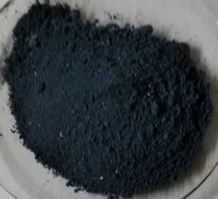

Ready to Innovate with Nanosilver?
Advance your research and product development with our high-quality silver nanoparticles and antimicrobial solutions. Contact our experts to discuss your specific requirements.
Contact Us Today