The Double-Edged Sword of Nanosilver
In the realm of nanotechnology, silver nanoparticles, or nanosilver, stand out as one of the most commercialized nanomaterials globally. Their potent antimicrobial properties have made them a miracle ingredient in everything from textiles and medical devices to water purifiers and consumer goods. However, this widespread integration comes at a potential environmental cost, a concern of paramount importance for a nation as ecologically diverse and populous as India. The very properties that make nanosilver effective—its small size and high reactivity—also drive its potential for environmental harm, particularly through water contamination.
As products containing nanosilver are used and discarded, these tiny particles inevitably find their way into our wastewater systems. While treatment plants can capture a portion, a significant amount is released into rivers, lakes, and oceans. This is where the field of ecotoxicology becomes critical. It seeks to understand the journey of these nanoparticles—their environmental fate—and their impact on living organisms. For India, a country grappling with significant silver pollution challenges in its waterways, understanding the nuances of nanoparticle dispersion and its resulting aquatic toxicity is not just an academic exercise; it's a national imperative for safeguarding public health and preserving biodiversity.
Why Nanosilver Ecotoxicology Matters for Indian Researchers
For researchers in India, the study of nanosilver's environmental impact is a burgeoning field ripe with opportunities. Engaging in this research offers several key benefits:
- Addressing National Priorities: Research in this area directly contributes to national missions like the 'Namami Gange' (Clean Ganga Project) and the 'Jal Jeevan Mission' by providing data to inform policy on emerging contaminants.
- Securing Research Funding: Government bodies like the Department of Science and Technology (DST) and the Ministry of Environment, Forest and Climate Change (MoEFCC) are increasingly funding projects focused on the environmental impact assessment of nanomaterials.
- Driving Green Innovation: By understanding the mechanisms of aquatic toxicity and bioaccumulation, researchers can pioneer the development of safer, next-generation nanomaterials with reduced environmental footprints.
- International Collaboration: This is a field of global concern, opening doors for Indian scientists to collaborate with leading international labs, publish in high-impact journals, and contribute to a worldwide knowledge base on ecosystem health.
- Informing Risk Assessment: Your work provides the foundational data needed for robust risk assessment models, helping regulators establish safe concentration limits for nanosilver in industrial effluents and consumer products.
Key Industrial Applications and Pathways for Silver Release
The journey of nanosilver from a product to a pollutant begins with its application. The increasing use across various sectors in India is a primary driver of potential water contamination. Understanding these sources is the first step in managing the risk.
Textiles and Fabrics
Nanosilver is incorporated into sportswear, socks, and medical textiles for its odour-control and antimicrobial properties. The primary pathway for silver release is during washing, where particles leach into the wastewater, creating a direct route to aquatic environments.
Medical and Healthcare Products
Used in wound dressings, catheters, and surgical instruments to prevent infections. Disposal of these single-use medical items can lead to nanosilver entering landfills and eventually leaching into groundwater, contributing to long-term environmental fate concerns.
Water Purification Systems
Ironically, nanosilver is used in domestic water filters to kill bacteria. While effective, the degradation of these filters can lead to the direct release of nanoparticles into what is intended to be clean drinking water, posing a direct exposure risk and downstream aquatic toxicity issues.
Consumer Goods and Coatings
Nanosilver is found in paints, coatings, food storage containers, and cosmetics. Weathering of paints and washing of containers contribute to a slow, steady release of nanoparticles into the environment, a classic example of non-point source silver pollution.
The Indian Scenario: Trends, Challenges, and Opportunities in Nanosilver Research
India's unique environmental and industrial landscape presents specific challenges and opportunities in the study of nanosilver ecotoxicology. The nation's rapid industrialization, coupled with densely populated river basins, creates hotspots of potential water contamination. The monsoon climate can also affect nanoparticle dispersion, with heavy rains flushing accumulated contaminants from soil and urban areas into rivers in concentrated bursts.
A significant challenge is the lack of standardized protocols for detecting and quantifying nanosilver in complex environmental matrices like river water and sediment. This is a critical area where Indian researchers can make substantial contributions. Furthermore, the sheer biodiversity of Indian aquatic ecosystems means that the effects of aquatic toxicity need to be studied on a wide range of native species, from the Gangetic dolphin to indigenous fish species, which may have different sensitivities compared to model organisms used in Western studies.
The concept of bioaccumulation is particularly alarming in the Indian context. Fish is a vital source of protein for a large part of the population. The accumulation of silver in fish tissues poses a direct threat to human health through the food chain. Research into the environmental fate of nanosilver—whether it remains as toxic nanoparticles, transforms into less harmful compounds, or settles in sediments—is crucial for predicting its long-term impact on ecosystem health. This research provides a powerful opportunity for Indian scientists to lead the way in developing region-specific risk assessment frameworks and promoting sustainable nanotechnology practices that balance innovation with environmental stewardship.
Recommended Nanosilver Products for Researchers
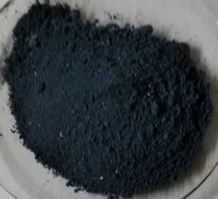
To support your research in ecotoxicology and material science, here are some relevant high-purity nanosilver products available for Indian labs.



Frequently Asked Questions (FAQ)
Nanosilver consists of silver particles between 1 and 100 nanometers in size. Its potent antimicrobial properties have led to its use in consumer products, textiles, and medicine. The concern arises when these nanoparticles are released into the environment, particularly aquatic systems. Their small size allows for unique interactions with organisms, potentially leading to higher toxicity than bulk silver, a phenomenon central to its ecotoxicology.
Aquatic toxicity from nanosilver occurs through several mechanisms. The primary mode is the release of silver ions (Ag+), which are highly toxic to aquatic life, including fish, algae, and invertebrates. These ions can disrupt cellular processes and enzyme functions. Additionally, the nanoparticles themselves can cause physical damage to cell membranes and generate reactive oxygen species (ROS), leading to oxidative stress and cellular damage in aquatic organisms.
Bioaccumulation is the process where nanosilver and its ions build up in an individual organism over time, faster than they can be excreted. This is a significant issue for organisms at the bottom of the food chain, like algae and plankton. Biomagnification occurs when the concentration of this accumulated silver increases at successively higher levels in the food chain. Predators consume contaminated prey, leading to a higher concentration of silver in their tissues, which can have severe long-term effects on ecosystem health.
The environmental fate of nanosilver describes its transport, transformation, and final destination after being released into the environment. In aquatic systems, nanosilver can undergo several changes. It can aggregate with other particles, settle into sediment, or remain suspended in the water column (nanoparticle dispersion). It can also transform chemically, for instance, by reacting with sulfur to form less toxic silver sulfide (Ag2S). Understanding this fate is crucial for predicting its long-term environmental impact and mitigating water contamination.
Have Questions or Need a Custom Solution?
Whether you are conducting an environmental impact assessment, developing novel detection methods, or require high-purity nanosilver for your research, our team is here to help. Contact us to discuss your specific requirements.