
The Invisible Shield: Nanosilver's Role in Modern Indian Workplaces
In the bustling corporate corridors and state-of-the-art research labs across India, a silent revolution is underway. The focus on employee health and safety has never been more critical, extending beyond ergonomics and air quality to the very surfaces we touch every day. This is where the world of nanotechnology offers a powerful solution: nanosilver coatings. These advanced materials provide a persistent, self-sanitizing surface, creating an invisible yet formidable silver antimicrobial layer that actively combats pathogens. For Indian researchers, this represents a burgeoning field of material science with immense commercial potential. For professionals, it signifies a new era of nano workspace hygiene, promising safer, healthier environments conducive to productivity and innovation.
The concept is simple yet profound. By integrating microscopic silver particles into paints, polymers, and other materials, we can transform ordinary office surfaces—desks, doorknobs, keyboards, and conference tables—into active antimicrobial zones. Unlike traditional disinfectants that offer temporary protection, a silver desk coating or a comprehensive nano office treatment works around the clock to inhibit the growth of bacteria, viruses, and fungi. This technology is not just a reactive measure but a proactive strategy to reduce cross-contamination and maintain a baseline level of cleanliness, a critical factor in mitigating workplace-acquired infections. As we delve deeper, we will explore the science, benefits, and applications of this transformative technology, highlighting its relevance and opportunities within the Indian context.
Key Benefits for Researchers & Industry
- Continuous Antimicrobial Action: Unlike episodic disinfection, nanosilver coatings provide 24/7 protection, constantly neutralizing microbes on high-touch office surfaces.
- Enhanced Durability and Longevity: When formulated as a robust office surface additive, the antimicrobial effect is long-lasting and resistant to wear and tear from regular cleaning.
- Broad-Spectrum Efficacy: Nanosilver is effective against a wide range of pathogens, including common bacteria (E. coli, Staphylococcus) and certain viruses, crucial for public health.
- Versatile Application: The technology is highly adaptable, allowing for the creation of everything from a specialized silver desk coating to treatments for textiles, plastics, and metals.
- Reduced Chemical Usage: By maintaining a baseline of surface hygiene, the need for harsh, frequent chemical disinfection can be reduced, leading to better indoor air quality and lower operational costs.
- Vast R&D Opportunities for India: For Indian scientists, this field offers immense scope for innovation in creating cost-effective, eco-friendly, and highly efficient nano workspace technology tailored for local needs.
Real-World Antimicrobial Office Applications
High-Touch Surfaces
The most immediate antimicrobial office application is on surfaces touched frequently by multiple people. This includes doorknobs, light switches, elevator buttons, and shared equipment like printers. A durable silver antimicrobial layer on these points can drastically cut down on germ transmission pathways.
Workstations and Furniture
Personal and shared workspaces, including desks, chairs, and conference tables, can be treated. A silver desk coating not only protects the individual user but also ensures that hot-desking or shared-desk environments remain hygienically safe, a key aspect of modern nano workspace hygiene.
Electronics and Accessories
Keyboards, mice, and shared touchscreens are notorious hotspots for microbes. Incorporating a nanosilver office surface additive into the plastic or coating of these devices offers a targeted and effective silver hygiene solution without impacting functionality.
Pantry and Common Areas
Countertops, cabinet handles, and tables in office pantries and break rooms can be protected with nanosilver-infused antimicrobial coatings. This helps prevent the spread of foodborne bacteria and maintains a cleaner environment for employees.
HVAC Systems
Applying nanosilver coatings to HVAC filters and ducts can inhibit the growth of mold and bacteria within the ventilation system. This contributes to improved indoor air quality and a healthier overall office atmosphere, an advanced form of nano office treatment.
Textiles and Upholstery
Office chairs, fabric partitions, and curtains can be treated with nanosilver solutions. This prevents odor-causing bacteria and mildew, extending the life of the fabric and contributing to a fresher, more hygienic workspace through innovative nano workspace technology.
Opportunities and Trends in the Indian Market
The Indian market for advanced materials is on a steep growth trajectory, driven by government initiatives like 'Make in India' and a heightened public awareness of health and hygiene. For nanosilver coatings, this translates into a landscape ripe with opportunity. The demand for a reliable silver hygiene solution is no longer confined to healthcare; it's rapidly expanding into corporate, hospitality, and public infrastructure sectors. Indian researchers are pivotal in this transition. The challenge lies in developing cost-effective manufacturing processes for nanosilver particles and creating stable, eco-friendly coating formulations that comply with international standards while being suited for India's diverse climatic conditions.
A key trend is the development of transparent nanosilver-infused antimicrobial coatings that can be applied to existing surfaces without altering their appearance. This retrofitting capability is a massive market opportunity for facilities management companies and businesses looking to upgrade their hygiene protocols. Furthermore, there is a growing interest in multi-functional coatings—products that are not only antimicrobial but also scratch-resistant, hydrophobic, or easy-to-clean. This push towards smarter materials makes the role of an office surface additive more critical than ever. The future of nano workspace technology in India will likely see a fusion of nanotechnology with IoT, where sensors could monitor the efficacy of antimicrobial surfaces in real-time, providing data-driven assurance of a safe environment.
Related Products for Your Research

Warrior W5KSilver Antimicrobial Additive (Water Based)
View Product →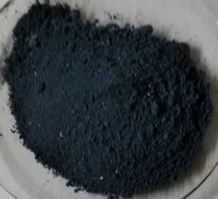
Silver Nanoparticles, 20nm, 50nm, 80nm, 100nm
View Product →
Nano Silver Antimicrobial Additive
View Product →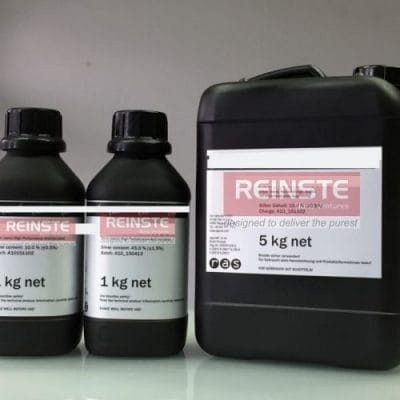
Antibacterial Colorless Nano Silver Solution
View Product →Frequently Asked Questions
The durability of a nanosilver coating depends on the formulation and the type of surface it's applied to. High-quality silver antimicrobial layers can last for years, even with regular cleaning. The key is the bonding mechanism of the office surface additive with the substrate. For high-traffic areas, a more robust nano office treatment might be required, and its longevity should be verified with the manufacturer's data.
When integrated into a stable matrix like paint or polymers, nanosilver coatings are generally considered safe as the nanoparticles are not free. The primary safety concern, especially in India's regulatory landscape, involves the potential leaching of nanoparticles. Researchers are focused on creating stable silver desk coatings that minimize release, ensuring both human safety and environmental protection. Always opt for products with comprehensive safety and toxicology data.
Virtually any surface can be treated, but the application method and formulation may differ. Nanosilver-infused antimicrobial coatings can be designed for plastics (keyboards, mice), metals (doorknobs, elevator buttons), wood (desks, tables), and even textiles (chairs, partitions). The key is using the correct office surface additive designed for specific materials to ensure proper adhesion and efficacy.
A silver antimicrobial layer works through the controlled release of silver ions (Ag+). These ions are highly reactive and disrupt critical functions in microorganisms like bacteria, viruses, and fungi. They can damage the cell membrane, inhibit respiratory enzymes, and interfere with DNA replication, effectively neutralizing the microbe and preventing its proliferation on the surface. This makes nano workspace hygiene a proactive rather than a reactive measure.
Ready to Advance Your Research or Enhance Your Workspace?
Whether you are a researcher looking for high-purity nanomaterials or a facility manager aiming to implement the next generation of office hygiene, we have the solutions and expertise to help you succeed.
Get in Touch