The Invisible Guardian: Nanosilver's Role in Modern Kitchens
In India, where the kitchen is the heart of the home and a hub of culinary tradition, maintaining hygiene is paramount. However, conventional cleaning methods often fall short. Harmful microbes like E. coli, Salmonella, and Staphylococcus aureus can thrive on countertops, cutting boards, and sinks, posing a constant threat to health. This challenge is magnified in commercial kitchens, food processing units, and research labs where sterile environments are non-negotiable.
Enter the world of nanotechnology, a field offering groundbreaking solutions to age-old problems. Specifically, **nanosilver coating** has emerged as a powerful tool in the quest for superior **kitchen hygiene**. For centuries, silver has been known for its natural antimicrobial properties. By harnessing this power at a nanoscale, scientists and engineers have developed transparent, durable coatings that can be applied to virtually any surface, creating a self-sanitizing environment.
This technology represents a significant leap forward from temporary surface disinfectants. A **nano food prep surface** with a silver coating doesn't just get cleaned; it stays clean, actively inhibiting microbial growth 24/7. For Indian researchers, material scientists, and public health professionals, the development and application of **nanosilver-based antimicrobial coatings for kitchen surfaces** is a field ripe with opportunity, promising to enhance food safety standards across the nation.
Why Nanosilver is a Game-Changer for R&D Professionals
For researchers in India, nanosilver technology opens up a new frontier of innovation. The unique properties of these coatings provide numerous advantages that are driving extensive study and development:
-
Broad-Spectrum Antimicrobial Efficacy
Nanosilver particles are effective against a wide range of pathogens, including antibiotic-resistant bacteria. This makes **silver countertop protection** a critical area of research for public health applications, especially in combating hospital-acquired infections that could originate from kitchen areas.
-
Durability and Longevity
Unlike chemical sprays, **nanosilver coatings** are integrated into the surface matrix. Researchers are focused on enhancing this durability, studying how different formulations withstand abrasion, chemical exposure, and UV radiation, ensuring long-lasting **silver food safety** without frequent reapplication.
-
Material Versatility
The ability to apply **silver kitchen coating** to diverse substrates—from stainless steel and ceramics to polymers and laminates—is a significant field of study. Indian industries can benefit from research into optimizing adhesion and performance on locally sourced materials, creating a robust **nano kitchen surface** market.
-
Enhanced Food Safety
The primary goal is improving **nano kitchen hygiene**. Research into the efficacy of these coatings against common foodborne pathogens in Indian cooking environments—which often involve high humidity and temperature—is crucial. This research directly contributes to national health and safety standards.
Industrial and Commercial Applications in India

Food Processing & Commercial Kitchens
In high-volume environments like restaurants and food processing plants, an **antimicrobial kitchen coating** is essential. Applying it to a **silver cooking area**—including prep tables, conveyor belts, and storage containers—drastically reduces cross-contamination risks and supports HACCP compliance.

Residential Kitchens & Home Appliances
The demand for hygienic home environments is growing. **Silver countertop protection** on granite or quartz surfaces, along with coatings inside refrigerators and on appliance handles, offers homeowners peace of mind and an added layer of defense against everyday germs.

Healthcare and Hospitality
Hospitals, clinics, and hotels can significantly benefit from **nano kitchen hygiene**. Treating pantry surfaces, dining trays, and water dispensers with **nanosilver coating** helps prevent the spread of infections among patients and guests, reinforcing safety protocols.
The Indian Market: Trends and R&D Opportunities
The Indian market for advanced materials is expanding rapidly, driven by initiatives like 'Make in India' and a growing awareness of public health. For **nanosilver coating** technology, this presents a fertile ground for growth. Key trends indicate a rising demand for products that offer enhanced **kitchen hygiene**. Consumers and industries are actively seeking long-term solutions beyond traditional cleaning, making **silver food safety** a major selling point.
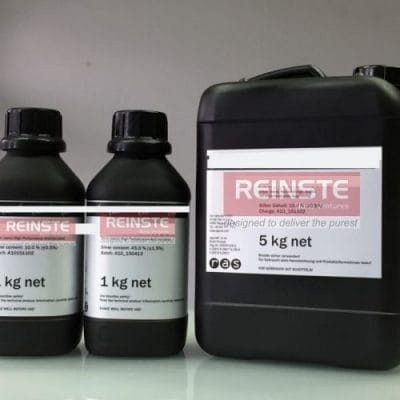
Research institutions and startups in India can capitalize on this by focusing on cost-effective manufacturing processes for **nanosilver antimicrobial additives**. There is a significant opportunity to develop customized **silver kitchen coating** formulations tailored to the Indian climate and common kitchen materials. Collaboration between academia and industry is key to translating laboratory success into commercially viable products that can elevate the standards of **nano kitchen hygiene** nationwide.
Recommended Products for Research & Application



Frequently Asked Questions
A nanosilver coating is an ultra-thin layer containing silver nanoparticles. These particles are incredibly small (typically 1-100 nanometers) and possess powerful antimicrobial properties. When applied to surfaces like kitchen countertops, they actively kill bacteria, viruses, and fungi, preventing them from multiplying and ensuring a hygienic environment.
Yes, when developed and applied correctly by reputable manufacturers, nanosilver coatings are safe for food-contact surfaces. The silver nanoparticles are embedded within a durable matrix, minimizing their release. These coatings undergo rigorous testing to comply with international food safety standards. For Indian researchers, this is a key area of study—ensuring biocompatibility and minimal leaching.
The durability of a nanosilver coating is one of its primary advantages. A high-quality coating can last for years, providing continuous antimicrobial protection. The lifespan depends on the formulation, the application process, and the amount of wear and tear the surface endures. It offers a significant long-term advantage over temporary chemical disinfectants.
Absolutely. Nanosilver coatings are often designed as retrofitting solutions. They can be applied to a wide range of materials commonly found in kitchens, including granite, marble, laminates, stainless steel, and ceramics. This makes them a versatile option for both new constructions and existing kitchen upgrades.
Ready to Advance Your Research?
Explore our high-purity nanosilver solutions and antimicrobial additives to pioneer the next generation of hygiene technology. Partner with us to bring innovative and safe products to the Indian market.
Contact Us Today