
A New Frontier in Food Preservation for India
In a nation as vast and populous as India, food security is paramount. However, a significant portion of food produced is lost to spoilage due to microbial contamination. This challenge presents a critical area for innovation, particularly for Indian researchers and the burgeoning food processing industry. Enter the world of nanotechnology, specifically the application of silver nanoparticles – a powerful silver microbial killer. This technology is at the forefront of developing 'nano active packaging', a revolutionary approach that goes beyond mere containment to actively protect food, thereby promising a dramatic shelf-life extension.
The core of this innovation lies in the potent nano antimicrobial effect of silver. For centuries, silver has been known for its antimicrobial properties. In its nano-form, its efficacy is magnified exponentially. When these nanoparticles are integrated into packaging materials, they create a hostile environment for a wide spectrum of pathogens like bacteria, yeasts, and molds. This is not just a passive barrier; it's an active defense mechanism. The packaging itself becomes a tool for preservation, creating a 'silver kill zone' that deactivates microbes on contact. For Indian R&D, this opens up a treasure trove of opportunities to develop cost-effective, scalable, and safe food packaging solutions tailored to the country's unique needs, from preserving mangoes for export to extending the freshness of dairy products in a challenging climate.
This article delves deep into the science, applications, and opportunities surrounding silver nanoparticles in food packaging. We will explore how this technology aligns with the 'Make in India' initiative, the regulatory landscape concerning food contact nano materials, and the immense benefits it holds for researchers, manufacturers, and consumers alike.
Why Researchers Should Be Excited: The Benefits of Nano Silver R&D
For the Indian scientific community, nano silver in packaging isn't just a subject of study; it's a gateway to impactful, industry-relevant research. The field is ripe with potential for discovery and innovation.
-
High-Impact Publications and Patents
Research into optimizing nanoparticle size, concentration, and polymer integration for specific food types can lead to high-impact publications and valuable patents, establishing leadership in the food nano inhibitor space.
-
Industry Collaboration & Funding
The food and packaging industries are actively seeking solutions for shelf-life extension. This creates immense opportunities for government grants and lucrative collaborations with companies looking to commercialize nano active packaging technologies.
-
Solving National Challenges
Contributing to the reduction of food waste is a national priority. Research in this area directly addresses the UN's Sustainable Development Goals and enhances India's food security, making the work both intellectually and socially rewarding.
-
Advancing Material Science
Studying the interaction between silver nanoparticles and various polymers, and ensuring packaging safety nano standards, pushes the boundaries of material science and toxicology, creating a new generation of smart materials.
Industry Applications: Where Nano Silver Makes a Difference
Fresh Produce & Meats
For fruits, vegetables, and raw meat, surface microbial growth is the primary cause of spoilage. Packaging films embedded with silver nanoparticles create an antimicrobial surface that significantly inhibits the growth of bacteria like E. coli and Salmonella. This leads to a visible and measurable shelf-life extension, preserving color, texture, and nutritional value.
Dairy Products
Milk, cheese, and yogurt are highly susceptible to spoilage by yeasts and molds. Incorporating silver nanoparticles into containers and lids provides continuous protection. This preservation silver technology is crucial in India's warm climate, reducing economic losses and ensuring safer dairy consumption.
Beverages & Liquid Foods
In bottled juices and other beverages, nano silver can be used in the cap liners or bottle polymers. This prevents contamination after opening and inhibits the growth of spoilage microorganisms, ensuring the product remains fresh and safe for longer. The focus here is on a controlled nano antimicrobial effect without particle migration.
The Indian Context: Trends and Opportunities
The push for advanced manufacturing solutions under the 'Make in India' campaign provides a fertile ground for domestic development of nano active packaging. Indian companies are increasingly looking to adopt cutting-edge technologies to gain a competitive edge in both domestic and international markets. The government's focus on reducing post-harvest losses, which are estimated to be as high as 30-40% for certain produce, further fuels the demand for innovative preservation techniques. This is where the role of a food nano inhibitor becomes critical.
Furthermore, regulatory bodies like the Food Safety and Standards Authority of India (FSSAI) are actively working on framing guidelines for nanomaterials in food applications. This will bring clarity and build consumer confidence, paving the way for wider adoption. For researchers, this means an opportunity to contribute to policy-making by providing robust data on the safety and efficacy of food contact nano materials. The key is to demonstrate that the silver microbial killer effect is contained within the packaging matrix, ensuring no harmful leaching into the food product. The development of cost-effective silver nanoparticles and their integration into biodegradable polymers represents the next major leap, aligning advanced technology with sustainability goals.
Frequently Asked Questions
Yes, when used within regulated limits and embedded correctly within packaging polymers, nano silver is considered safe. The nanoparticles are not intended to migrate into the food but to act on the food's surface and the package's headspace. Regulatory bodies like FSSAI in India are establishing guidelines to ensure consumer safety.
Silver nanoparticles work in three primary ways: 1) They anchor to and disrupt the bacterial cell wall. 2) They interfere with cellular respiration and metabolic pathways upon entering the cell. 3) They cause damage to microbial DNA, preventing replication. This multi-pronged attack makes it a highly effective antimicrobial agent.
Nano active packaging is an advanced packaging system that incorporates nanomaterials (like silver nanoparticles) to actively improve the preservation of food. Unlike passive packaging that just provides a barrier, active packaging interacts with the food or its environment to extend shelf-life, maintain quality, and enhance safety.
The recyclability of nano-enhanced plastics is a subject of ongoing research. While the base polymer (like PET or PE) is recyclable, the presence of nanoparticles can introduce complexities. Indian researchers are actively working on developing sustainable end-of-life solutions for such advanced materials.
Related Products for Your Research


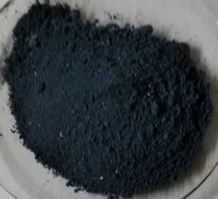

Ready to Innovate?
Advance your research and development with high-purity silver nanoparticles and additives. Contact our specialists to discuss your project requirements and get a quote.
Contact Us Today