
Stepping into the Future: A New Era for Footwear Hygiene
Foot odor, medically known as bromodosis, is a common yet persistent issue affecting millions. In a country like India, with its diverse climates ranging from humid coasts to hot, dry plains, the problem is particularly pronounced. Traditional solutions—powders, sprays, and frequent washing—offer temporary relief but fail to address the root cause: bacteria. This is where materials science, specifically nanotechnology, offers a groundbreaking solution. The integration of **silver nanoparticles** into the humble **shoe insole** is not just an upgrade; it's a revolution in personal hygiene and comfort.
For Indian researchers, scientists, and industrial innovators, the field of **nano foot odor control** represents a significant frontier. It's a convergence of advanced material science, textile manufacturing, and a burgeoning consumer market that is increasingly conscious of health and hygiene. The development of an effective **antimicrobial shoe pad** using silver nanotechnology is more than just a product; it's a testament to India's growing capabilities in high-tech R&D and manufacturing. This article explores the science, benefits, applications, and market opportunities of the **silver odorless insole**, providing a comprehensive overview for professionals aiming to innovate in this space.
The Nanotechnology Advantage: Why Silver?
Silver has been known for its antimicrobial properties for centuries. However, at the nanoscale, its efficacy is magnified exponentially. Here’s why a **silver footwear insert** is superior for researchers and manufacturers:
-
Potent, Broad-Spectrum Antimicrobial Action
Silver nanoparticles (AgNPs) are effective against a wide range of bacteria and fungi. They work by releasing silver ions (Ag+) that puncture cell membranes, disrupt metabolic pathways, and inhibit DNA replication in microbes, effectively neutralizing them before they can produce odor-causing volatile compounds.
-
Unmatched Durability and Longevity
Unlike topical sprays that wear off, AgNPs can be permanently embedded into the fibers of the **shoe insole**. This ensures that the antimicrobial effect lasts for the functional life of the insole, withstanding sweat, friction, and multiple cleanings without losing potency. This is a key selling point for **nano shoe hygiene** products.
-
Safety and Biocompatibility
When encapsulated within a polymer matrix or textile fiber, the release of silver ions is controlled and localized to the insole surface. This targeted action minimizes systemic exposure, making the technology safe for consumers. Research in this area focuses on optimizing particle size and coating methods to enhance both efficacy and safety, a crucial aspect for regulatory approval and market acceptance.
-
Enhanced Material Properties
Beyond odor control, incorporating **silver nanoparticles** can improve other material characteristics. Depending on the integration method, they can contribute to thermal regulation and antistatic properties, elevating a simple **nano footbed** into a high-performance **nano shoe accessory** that enhances overall **silver foot comfort**.
From Lab to Market: Industrial Applications
The transition of **silver nanoparticles for anti-odor shoe insoles** from a research concept to a commercial product involves several scalable manufacturing processes. Indian industries can leverage these methods to create value-added products.
Melt-Extrusion and Fiber Spinning
For synthetic insoles made from polymers like polyurethane (PU) or polyethylene (PE), silver nanoparticles can be mixed into the polymer melt before it is extruded. This process, known as compounding, evenly disperses the nanoparticles throughout the material. The resulting polymer can then be spun into fibers or molded into the final **nano footbed**, ensuring the antimicrobial agent is an integral part of the product structure.
Coating and Finishing
For fabric-based insoles (e.g., cotton, polyester blends), a nano-silver solution can be applied as a finishing coat. Techniques like dip-coating, spray-coating, or pad-dry-cure methods are used to deposit a thin, durable layer of nanoparticles onto the fabric surface. This is a versatile method that can be integrated into existing textile finishing lines, making it a cost-effective route for producing an **antimicrobial shoe pad**.
Integration into Foams
Many modern insoles are made from memory foam or EVA (ethylene-vinyl acetate) foam for cushioning. Silver nanoparticles can be introduced during the foaming process. As the liquid precursors polymerize and expand, the nanoparticles become trapped within the foam's cellular structure, providing pervasive and long-lasting **nano foot odor control**.
Beyond Insoles: The Broader Opportunity
The expertise gained from developing a **silver odorless insole** is directly transferable to other high-value products. The same nano-silver additives and application techniques can be used for performance sportswear, medical textiles (bandages, scrubs), socks, and even non-woven fabrics for filters and wipes, opening up diverse revenue streams.
The Indian Market: A Fertile Ground for Nano-Hygiene
The Indian market is uniquely positioned for the success of nano-enhanced hygiene products. Several converging trends create a powerful demand for innovations like the **silver nanoparticle shoe insole**.
First, there is a palpable rise in health and wellness consciousness among Indian consumers. The urban middle class is increasingly willing to invest in products that offer tangible health benefits, and **nano shoe hygiene** fits perfectly into this narrative. The promise of eliminating foot odor at its microbial source, rather than just masking it, is a powerful marketing message that resonates with a desire for genuine cleanliness and well-being.
Second, the 'Make in India' initiative and a push for domestic R&D create a supportive ecosystem for deep-tech ventures. Indian research institutions and private labs are actively exploring nanomaterials. Developing a commercially viable **antimicrobial shoe pad** is a prime example of translating this research into a consumer product with mass appeal. This not only serves the domestic market but also positions India as a potential export hub for advanced textile and footwear accessories.
Finally, the sheer scale of the Indian footwear market is a compelling factor. From formal leather shoes and athletic sneakers to everyday casuals, the need for enhanced comfort and hygiene is universal. A versatile **nano shoe accessory** like a **silver odorless insole** can be marketed across all these segments. The challenge and opportunity for Indian companies lie in achieving scale, ensuring quality control, and educating consumers about the scientific benefits of **silver foot comfort** technology. Success in this domain will pave the way for a new category of smart, functional textiles and materials made in India, for the world.
Relevant Materials & Additives for Your R&D

Nano Silver Liquid Chemical Additive Antibacterial in Textile for Socks
View Product →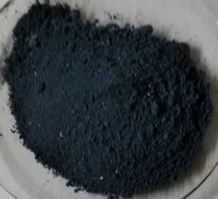
Silver Nanoparticles, 20nm, 50nm, 80nm, 100nm
View Product →
Warrior W5KSilver Antimicrobial Additive (Water Based)
View Product →
Nano Silver Antimicrobial Additive
View Product →Frequently Asked Questions
Ready to Innovate with Nanotechnology?
Whether you are a researcher exploring new material applications or an industrialist looking to create next-generation consumer products, the potential of silver nanoparticles is immense. Partner with us to source high-purity materials and expert guidance.
Get in Touch