In the bustling cities and rapidly developing urban landscapes of India, elevators are the unsung workhorses of vertical transportation. From corporate offices and sprawling shopping malls to residential high-rises and critical healthcare facilities, millions of people use elevators daily. This high traffic, however, turns these confined spaces into potent hotspots for the transmission of pathogens. Every press of a button and every touch of a handrail becomes an opportunity for bacteria and viruses to spread. This is where the challenge of **elevator hygiene** becomes paramount.
Traditionally, maintaining a sterile elevator environment has relied on frequent manual cleaning with chemical disinfectants—a process that is labor-intensive, costly, and provides only temporary protection. As soon as a surface is cleaned, it's susceptible to re-contamination. For Indian researchers, facility managers, and public health officials, this presents a significant problem. The need for a more durable, efficient, and long-lasting solution is clear. This is where nanotechnology, specifically **nanosilver coatings**, offers a revolutionary breakthrough.
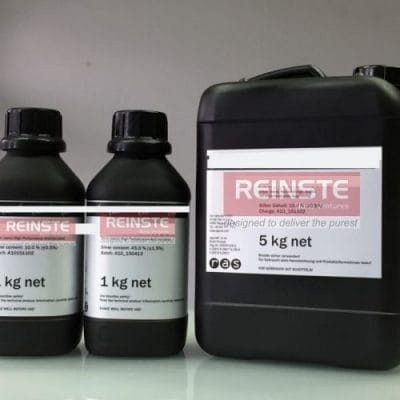
This guide delves deep into the world of **antimicrobial elevator applications**, focusing on how a scientifically engineered **silver antimicrobial layer** can provide continuous, self-sanitizing protection. We will explore the science behind **nano elevator treatment**, its tangible benefits for Indian R&D and industries, and the market trends that position this technology as a cornerstone of future public health infrastructure.
Why Nanosilver? Unpacking the Benefits for Indian Researchers & Industries
The adoption of nanosilver-infused coatings isn't just a marginal improvement; it's a paradigm shift in surface hygiene management. For a country like India, with its focus on innovation and public health, the advantages are multifaceted. Researchers gain access to a potent material for developing next-generation hygiene solutions, while industries can implement a reliable and cost-effective method to ensure safety.
- Potent & Broad-Spectrum Efficacy: Nanosilver particles are highly effective against a wide range of microorganisms, including bacteria (like E. coli and Staphylococcus aureus) and various viruses. Their mechanism of action—releasing silver ions that disrupt microbial cells—makes it difficult for pathogens to develop resistance.
- Long-Lasting & Continuous Protection: Unlike chemical sprays that evaporate, a **nano elevator treatment** creates a durable, bonded surface. This **silver antimicrobial layer** works 24/7, actively neutralizing microbes on contact and providing persistent protection for years, significantly reducing the risk of cross-contamination between cleanings.
- Enhanced Safety & Non-Toxicity: When integrated into a coating matrix, nanosilver is stable and safe for human contact. This makes it a superior **silver button coating** and surface solution, as it doesn't rely on harsh or volatile chemicals, improving indoor air quality and ensuring user safety.
- Ease of Application & Versatility: These advanced coatings can be applied to a wide variety of surfaces found in elevators—stainless steel, plastic, glass, and more. The application process for this **elevator surface additive** is efficient, allowing for retrofitting on existing elevators with minimal operational disruption.
- Cost-Effectiveness & Operational Efficiency: While the initial investment in **nanosilver coatings** may be higher than a bottle of disinfectant, the long-term ROI is substantial. It drastically cuts down on the labor, time, and material costs associated with frequent manual sanitation, making it a sound economic choice for large-scale facilities.
Transforming Public Health: Key Applications of Nanosilver Coatings
The versatility of **nanosilver coatings** makes them an indispensable tool for enhancing hygiene across various sectors in India. The ability to create a self-sanitizing **nano lift surface** is a game-changer for any high-touch, high-traffic environment.
Public & Commercial Spaces
In metro stations, airports, shopping malls, and corporate buildings, elevators are used by thousands daily. A **nano elevator treatment** ensures that buttons and handrails are continuously protected, enhancing public confidence and safety in these essential infrastructures.
Healthcare Facilities
Hospitals and clinics are ground zero in the fight against healthcare-associated infections (HAIs). An **antimicrobial elevator application** is critical here, preventing the spread of dangerous pathogens and protecting vulnerable patients and healthcare workers.
Residential Buildings
With the rise of vertical living in urban India, residential elevators are high-traffic zones. Applying a **silver antimicrobial layer** provides peace of mind to hundreds of families, ensuring a healthier living environment from the ground floor up.
Hospitality & Education Sectors
For hotels, restaurants, schools, and universities, maintaining a reputation for cleanliness is vital. This **silver hygiene solution** demonstrates a commitment to health and safety, reassuring guests, students, and staff.
The Future is Nano: Trends & Opportunities in India's Hygiene Market
The demand for advanced hygiene technologies in India is not just a fleeting trend; it's a fundamental shift driven by increased health awareness, governmental initiatives, and technological progress. The market for **nanosilver coatings** is poised for significant growth, fueled by several key factors.
First, the 'Make in India' initiative and a growing emphasis on domestic R&D create a fertile ground for Indian scientists and companies to develop and manufacture their own **nano lift technology**. This localization can reduce costs and tailor products to meet the specific environmental and usage conditions found in India. Researchers can explore novel formulations, such as combining nanosilver with other materials to enhance durability or create multi-functional coatings.
Second, the post-pandemic world has permanently elevated public expectations for cleanliness. A visible commitment to hygiene, like a certified **nano elevator treatment**, is no longer a luxury but a competitive advantage. This consumer-driven demand pushes facility managers to adopt proactive, long-term solutions over reactive, temporary ones. Keywords like **elevator hygiene** and **silver hygiene solution** are now central to facility management strategies.
Finally, the integration of such technologies into national programs like the Smart Cities Mission presents a massive opportunity. As cities become smarter and more connected, so too must their approach to public health. A **silver antimicrobial layer** on high-touch surfaces in public transit, government buildings, and smart infrastructure is a logical and impactful step towards creating healthier, more resilient urban environments. This is where the synergy between research, industry, and policy can drive widespread adoption of **antimicrobial elevator applications** across the nation.