
Elevating Airport Hygiene: The Power of Silver Nanoparticles in Antimicrobial Coatings
Harnessing nanotechnology to create safer travel environments, silver-based coatings offer persistent protection on high-touch surfaces across airport terminals.
Explore the ScienceThe Unseen Guardian: Revolutionizing Airport Cleanliness
Airports are the pulsating hearts of global travel, bustling hubs where millions of journeys begin and intersect. In India, a nation experiencing an unprecedented boom in air travel, maintaining airport hygiene is not just a matter of cleanliness but a critical component of public health infrastructure. Every check-in kiosk, security tray, and armrest is a potential hotspot for microbial transmission. Traditional cleaning methods, while essential, offer only temporary disinfection. Once a surface is cleaned, it's immediately susceptible to recontamination. This is where the groundbreaking field of nanotechnology offers a durable, persistent solution: antimicrobial coatings powered by silver nanoparticles.
For Indian researchers and industrial professionals, this technology represents a significant leap forward. Silver nanoparticles for antimicrobial coatings in airports are not just a theoretical concept but a practical, scalable solution to enhance aviation cleanliness. These innovative coatings create self-sanitizing surfaces that actively and continuously neutralize pathogens—bacteria, viruses, and fungi—24/7. By integrating a nano antimicrobial coating onto a silver terminal surface, airport operators can establish a new, higher standard of hygiene, building passenger confidence and contributing to a healthier travel ecosystem. This article delves into the science, benefits, and applications of this transformative technology, highlighting the immense opportunities for research and implementation within the Indian context.
Why Silver Nanoparticles? Key Benefits for Researchers & Industry
The adoption of silver nanoparticle technology in airport settings offers a multitude of advantages that resonate strongly with the goals of both the scientific community and commercial enterprises in India. These benefits extend beyond simple cleaning to offer long-term value.
- Broad-Spectrum Antimicrobial Activity: Silver nanoparticles are renowned for their potent efficacy against a wide range of microorganisms, including antibiotic-resistant bacteria (like MRSA) and viruses. This makes them an ideal agent for public spaces with diverse microbial threats.
- Continuous, Long-Lasting Protection: Unlike chemical sprays that evaporate, a nano antimicrobial coating is physically bonded to the surface. It provides round-the-clock protection for months or even years, drastically reducing the window of recontamination between cleanings and ensuring constant nano travel sterilization.
- High Efficacy at Low Concentrations: The "nano" effect is key. Due to their incredibly high surface-area-to-volume ratio, silver nanoparticles are effective in very small quantities. This makes the technology cost-efficient and minimizes the environmental footprint.
- Versatility in Application: Researchers can develop silver nanoparticles as additives for various mediums—paints, polymers, textiles, and sprays. This allows for the treatment of virtually any silver terminal surface, from hard metal check-in counters to the fabric of passenger seating.
- Enhanced Passenger Safety and Confidence: In a post-pandemic world, visible and effective hygiene measures are paramount. Promoting the use of antimicrobial airport coating technology can significantly boost traveler confidence, a crucial factor for India's growing aviation and tourism sectors.
- Opportunities for Indian R&D: For Indian scientists, this field is ripe for innovation. Research into optimizing nanoparticle size, concentration, and binding agents for local environmental conditions can lead to homegrown, patented technologies and position India as a leader in nano terminal hygiene.
From Check-In to Boarding: Applications Across the Airport
The potential uses for silver nanoparticles in antimicrobial coatings span the entire passenger journey. Here’s a look at key areas within an airport that can be transformed into self-sanitizing zones.
High-Touch Points & Kiosks
Check-in counters, baggage drop belts, and self-service kiosks are handled by thousands of people daily. A durable nano antimicrobial coating on these surfaces provides a first line of defense, continuously working to reduce microbial loads on the most frequently touched silver airport equipment.
Security Screening Areas
Plastic security trays are notorious for harboring germs. Coating these trays with a formulation containing silver nanoparticles ensures that as they cycle through the system, they are actively being sanitized, enhancing hygiene for every passenger and staff member.
Seating & Lounge Areas
The armrests, tables, and chairs in the silver passenger area can be treated to prevent the buildup of pathogens. This applies to both hard surfaces and textiles, as silver nanoparticles can be integrated into fabric finishes, contributing to overall nano aviation cleanliness.
Restrooms & Water Fountains
Restrooms are a critical focus for hygiene. Coating faucets, door handles, flush buttons, and baby changing stations with a robust antimicrobial airport coating creates an environment that is inherently more hygienic and easier to maintain, ensuring superior nano terminal hygiene.
The Indian Opportunity: A New Frontier for Aviation Cleanliness
India's aviation market is one of the fastest-growing in the world. Government initiatives like the UDAN (Ude Desh ka Aam Naagrik) scheme are expanding air connectivity to tier-2 and tier-3 cities, leading to the modernization and construction of new airports. This expansion presents a golden opportunity to integrate advanced hygiene technologies like silver nanoparticles for antimicrobial coatings in airports from the ground up. For researchers, this translates into a demand for localized solutions—coatings that are effective in India's diverse climates, from humid coastal regions to dry northern plains.
Furthermore, the "Make in India" initiative encourages domestic production of high-tech materials. Developing and manufacturing nano silver antimicrobial additives within the country would not only serve the domestic airport market but also create export opportunities. Research institutions can collaborate with industrial partners to scale up production of everything from raw silver nanoparticles to finished coating products. The focus on airport hygiene is no longer a niche concern; it's a national priority, and nanotechnology offers the tools to meet this challenge head-on, solidifying India's commitment to safe and modern air travel.
Related Products for Your Research

Colloidal Nano Silver Solution
View Product →
Warrior W5KSilver Antimicrobial Additive ( Water Based )
View Product →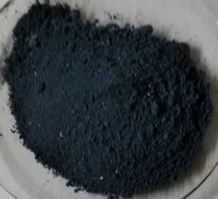
Silver Nanoparticles, 20nm, 50nm, 80nm, 100nm
View Product →
Nano Silver Liquid Chemical Additive Antibacterial in Textile for Socks
View Product →Frequently Asked Questions
Ready to Innovate?
Advance your research or product line with high-purity silver nanoparticles. Explore our range of materials to find the perfect solution for your antimicrobial application.
Shop Nano Silver