
The Quest for Efficient Hydrogen Storage: An Indian Perspective
As India ambitiously charts its course towards a green economy with the National Hydrogen Mission, one of the most significant technical hurdles remains unsolved: how to store hydrogen safely, efficiently, and economically. Hydrogen, despite being the most abundant element, has a very low density at ambient conditions, making its storage a complex engineering challenge. Traditional methods like high-pressure compression tanks (up to 700 bar) and cryogenic liquefaction (-253°C) are energy-intensive, costly, and pose safety risks. This is where **nanotechnology** emerges as a transformative solution.
For Indian researchers and industries, the development of novel **energy storage materials** is not just an academic pursuit; it's a national priority. The key lies in solid-state hydrogen storage, using advanced materials that can absorb and release hydrogen on demand. By engineering materials at the nanoscale, we can fundamentally alter their properties to create lightweight, high-capacity, and safe storage systems. This article delves into the world of **nanomaterials for hydrogen storage**, exploring how **nanoparticles**, **metal hydrides**, and other nanostructures are setting the stage for a hydrogen-powered future.
Why Nanomaterials? The Researcher's Advantage
Utilizing nanomaterials isn't just an incremental improvement; it's a paradigm shift. For researchers, these materials unlock properties unachievable with their bulk counterparts. Here are the key benefits:
-
Dramatically Increased Surface Area
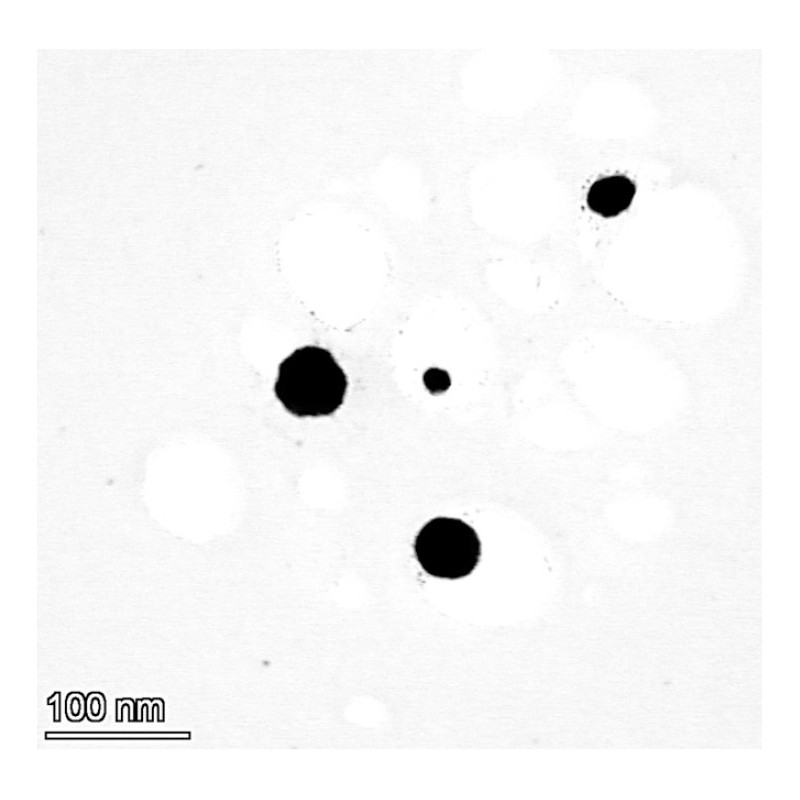
Nanoparticles possess an enormous surface-area-to-volume ratio. This provides a vast playground for hydrogen molecules to adsorb (physisorption) or chemically bond (chemisorption), significantly boosting the material's gravimetric storage density (wt%).
-
Enhanced Kinetics and Thermodynamics
The small size of nanomaterials drastically shortens the diffusion path for hydrogen atoms. This leads to faster absorption and desorption rates. Furthermore, nanostructuring can alter the thermodynamic properties, allowing hydrogen to be released at lower temperatures and pressures, which is crucial for practical applications like **hydrogen fuel** cells.
-
Access to Lightweight Materials
The focus on **lightweight materials** is paramount for mobile applications. Carbon-based nanomaterials like nanotubes and graphene, as well as light metal hydrides, offer high storage capacity without the weight penalty of traditional materials, making them ideal for automotive and aerospace sectors.
Key Nanomaterials and Their Applications
The field of **nanomaterials for hydrogen storage** is diverse. Research in India and globally is focused on several promising categories of these **advanced materials**.
1. Nanostructured Metal Hydrides
Conventional **metal hydrides** (e.g., Magnesium Hydride, MgH₂) can store large amounts of hydrogen but suffer from slow kinetics and require high temperatures for hydrogen release. By synthesizing them as **nanoparticles** or embedding them in porous nanoscaffolds, researchers can overcome these limitations. The nanostructure prevents particle agglomeration during cycling and provides fast lanes for hydrogen to travel, improving overall performance for applications in stationary power and heavy vehicles.
2. Carbon-Based Nanomaterials
Materials like Carbon Nanotubes (CNTs) and graphene are exceptionally strong, lightweight, and have high surface areas. They store hydrogen via physisorption. While this currently requires cryogenic temperatures for high capacity, ongoing research focuses on "decorating" these carbon structures with metal **nanoparticles** (e.g., Platinum, Palladium) to enhance binding energy and enable storage at more practical temperatures. These are prime candidates for **lightweight materials** in future hydrogen vehicles.
3. Metal-Organic Frameworks (MOFs)
MOFs are crystalline materials composed of metal ions linked by organic molecules, creating a highly porous, cage-like structure. Their key advantage is "tunability"—researchers can design MOFs with specific pore sizes and chemical properties to optimize hydrogen uptake. Their vast internal surface area makes them one of the most promising classes of **energy storage materials** for achieving high gravimetric and volumetric density.
India's R&D Landscape: Opportunities & Trends
The push for **sustainable energy** in India has created a fertile ground for R&D in hydrogen storage. Institutions like the IITs, IISc Bangalore, and CSIR laboratories are at the forefront of developing novel **nanomaterials**. The government's emphasis on green hydrogen creates significant funding opportunities for projects focused on **nanomaterials for hydrogen storage capacity improvement**.
A key trend is the synergy between computational materials science and experimental synthesis. Researchers are using simulations to predict the properties of new nanostructures before synthesizing them in the lab, accelerating the discovery process. There is also a growing focus on using earth-abundant elements to create cost-effective **nanoparticles** and hydrides, aligning with the "Make in India" initiative. The commercialization pathway, while challenging, is becoming clearer, with startups beginning to bridge the gap between lab-scale breakthroughs and industrial application, particularly for niche markets requiring portable, safe **hydrogen fuel** solutions.
Related Products for Your Research


Frequently Asked Questions
Advance Your Research Today
Ready to be at the forefront of sustainable energy innovation? Source high-purity nanomaterials for your hydrogen storage research and development projects from a trusted supplier.
Explore Our Nanomaterials