
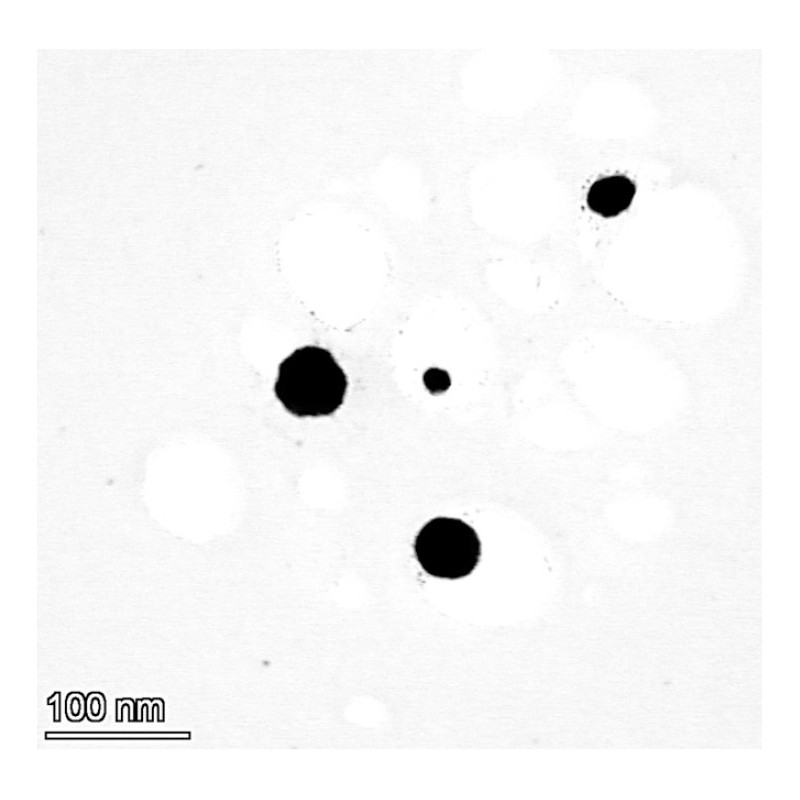
Harnessing the Power of Light: An Introduction to TiO2 Photocatalysis
In the bustling landscape of Indian research and development, a quiet revolution is taking place at the nanoscale. At its heart lies titanium dioxide (TiO2), a seemingly simple compound that, when engineered into nanoscale materials, becomes a powerful catalyst for change. This field, known as photocatalysis, is capturing the attention of scientists and industrialists alike. But what exactly is it? In essence, photocatalysis uses light to activate a substance—the photocatalyst—which then accelerates a chemical reaction without being consumed. Think of it as a solar-powered molecular machine that cleans up our world.
For India, a nation grappling with the dual challenges of rapid industrialization and environmental sustainability, the potential of titanium nanomaterials is immense. The ability of these photocatalytic materials to degrade persistent organic pollutants in water, neutralize harmful gases in the air, and even generate clean energy makes them a cornerstone technology for a 'Swachh' and 'Aatmanirbhar' Bharat. These nanostructured materials are not just a laboratory curiosity; they represent a tangible pathway to solving some of the country's most pressing environmental and energy problems. As we delve deeper, we will explore how these tiny particles are making a colossal impact.
Why Researchers are Turning to Titanium Nanomaterials
The scientific community's focus on titanium dioxide for photocatalysis is driven by a unique combination of properties that make it an almost ideal candidate for research and application. For Indian researchers, working with these materials offers a fertile ground for innovation. Here are the key benefits:
- Exceptional Efficacy: TiO2, particularly in its anatase crystal form, is a highly efficient semiconductor. It possesses a band gap (around 3.2 eV) that allows it to absorb UV radiation and generate electron-hole pairs, which are the engines of the photocatalytic process, leading to powerful oxidation of organic compounds.
- Cost-Effectiveness and Abundance: Titanium is the ninth most abundant element in the Earth's crust. This makes TiO2 a widely available and economically viable material for large-scale applications, a critical factor for India's price-sensitive market.
- Chemical Inertness and Stability: Titanium dioxide is remarkably stable against chemical and photochemical corrosion. It can withstand harsh pH conditions and repeated catalytic cycles without significant degradation, ensuring longevity and reliability in applications.
- Non-Toxicity: Recognized as a safe material, TiO2 is already used in everyday products like sunscreens, paints, and even food additives. This low toxicity profile is crucial for environmental and biomedical applications where safety is paramount.
- Tunable Properties at the Nanoscale: The true magic happens at the nanoscale. By controlling the size, shape, and structure of titanium nanomaterials, researchers can tune their electronic and optical properties to enhance photocatalytic efficiency, making it a fascinating subject for material science innovation.
From Lab to Life: Real-World Applications in India
The transition of nanotech applications from academic papers to industrial reality is well underway. In India, photocatalysis using titanium dioxide is finding its place in several key sectors. These applications are not just theoretical; they are practical solutions being actively explored and implemented.
Environmental Remediation: Cleaning Our Water
India's rivers and groundwater are often contaminated with industrial effluents, pesticides, and dyes. TiO2-based photocatalytic systems offer a powerful solution for water detoxification. When illuminated, these nanoparticles in water generate hydroxyl radicals that can break down complex organic molecules into harmless substances like CO2 and water. This is a game-changer for the textile, pharmaceutical, and agricultural industries.
Air Purification: A Breath of Fresh Air
Urban air pollution is a major health concern. Coatings and paints infused with titanium dioxide nanoparticles can be applied to buildings, tunnels, and roads. These surfaces actively clean the air by breaking down nitrogen oxides (NOx) and volatile organic compounds (VOCs) when exposed to sunlight, turning our cities into giant air purifiers.
Smart Materials: Self-Cleaning Surfaces
Imagine glass that never gets dirty or hospital walls that disinfect themselves. This is possible with thin films of TiO2. Its photocatalytic action breaks down organic dirt, while its hydrophilic nature causes water to sheet across the surface, washing the dirt away. This reduces maintenance costs and improves hygiene in public and private spaces.
Sustainable Energy: Hydrogen Production
One of the most exciting frontiers is using photocatalytic materials for water splitting to produce hydrogen fuel. While still largely in the research phase, TiO2-based systems offer a promising path to generating clean energy using only sunlight and water, aligning perfectly with India's National Hydrogen Mission.
The Indian Nanomaterials Market: Trends and Opportunities
The global nanomaterials market is on an upward trajectory, and India is poised to be a significant player. The demand for metal nanomaterials and specifically titanium nanomaterials is driven by strong government support through initiatives like 'Make in India' and the 'National Mission on Nano Science and Technology (Nano Mission)'. These programs are fostering a vibrant ecosystem for research, innovation, and commercialization.
A key trend is the shift towards developing 'visible-light active' photocatalysts. While traditional TiO2 works best with UV light, researchers are now doping it with other elements (like nitrogen or carbon) or coupling it with other semiconductors to make it responsive to the visible spectrum, which constitutes a much larger portion of sunlight. This innovation dramatically increases the efficiency and applicability of nanostructured materials for outdoor applications. Furthermore, the use of nanoparticles in agriculture is a burgeoning field. TiO2 nanoparticles are being explored for their potential to enhance crop yield, act as antimicrobial agents, and enable the controlled release of fertilizers, promising a new green revolution driven by nanotechnology.
For Indian professionals and researchers, this translates into immense opportunity. There is a growing need for material scientists, chemical engineers, and environmental scientists who can work with these advanced materials. Start-ups focused on creating value-added products from photocatalytic materials are finding fertile ground, particularly in the areas of water purification and smart coatings. Investing in R&D and building scalable manufacturing capabilities for high-quality titanium dioxide nanoscale materials will be crucial for India to capture a significant share of this high-tech market.
Frequently Asked Questions
Photocatalysis is a process where a substance, called a photocatalyst (like titanium dioxide), uses light energy to accelerate a chemical reaction. It's commonly used for breaking down pollutants, disinfecting surfaces, and splitting water to produce hydrogen.
Titanium dioxide is an excellent photocatalyst because it is chemically stable, non-toxic, cost-effective, and highly efficient at absorbing UV light to generate reactive oxygen species. Its nanoscale form offers a massive surface area, significantly enhancing its catalytic activity.
In India, key applications include water purification (degrading industrial effluents and pesticides), air purification (removing NOx and VOCs in urban areas), self-cleaning surfaces (on buildings, glass, and textiles), and in agriculture for controlled release of fertilizers and pesticides.
While titanium dioxide is generally considered safe and is used in food and cosmetics, the safety of nanomaterials is an area of active research. The primary concern is inhalation of airborne nanoparticles. Researchers and industries follow strict safety protocols to minimize exposure during handling and application.


