An Introduction to the Nanoscale Revolution
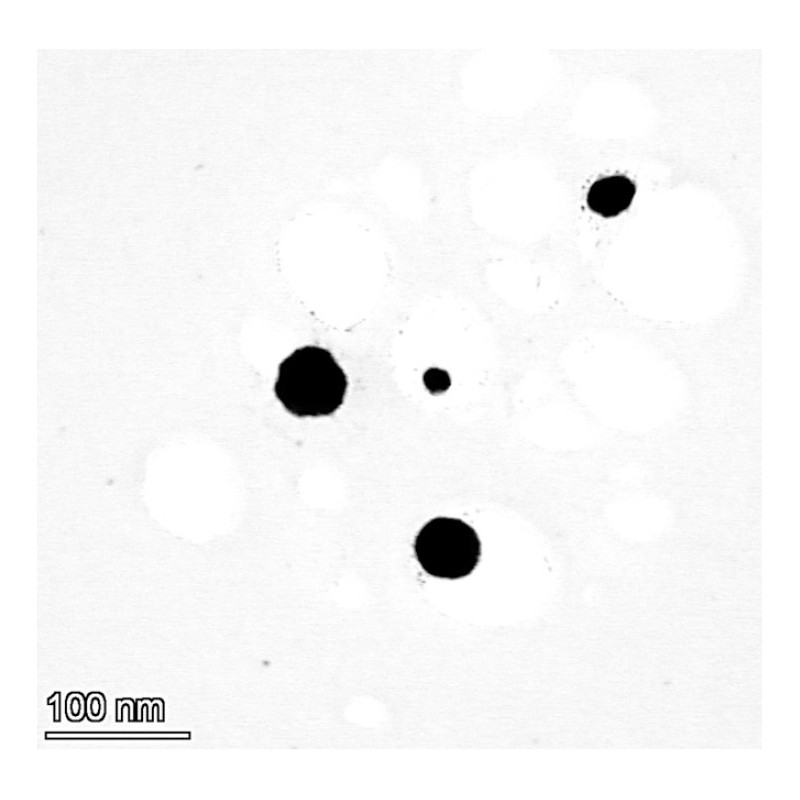
Welcome to the frontier of materials science—the world of nanotechnology. At the heart of this revolution are metallic nanomaterials, tiny particles that are unlocking unprecedented possibilities across science and industry. When metals are shrunk down to the nanoscale (typically 1-100 nanometers), their behavior changes dramatically. The familiar rules of classical physics give way to the strange and powerful principles of quantum mechanics. This transformation endows metal nanoparticles with extraordinary nanomaterials properties—such as exceptional catalytic activity, unique optical characteristics, and enhanced conductivity—that are fundamentally different from their bulk counterparts.
For India, a nation rapidly ascending as a global hub for research and development (R&D) and high-tech manufacturing, understanding and harnessing these materials is not just an academic exercise; it's a strategic imperative. From advanced healthcare solutions and clean energy to next-generation electronics and environmental remediation, nanomaterials are paving the way for groundbreaking innovations. This guide is designed for Indian researchers, scientists, and industry professionals, offering a comprehensive overview of metallic nanomaterials—from their synthesis and properties to their real-world applications and the exciting opportunities they present for India's future.
Why Researchers are Turning to Nano Metals
For researchers in India and across the globe, working with nanostructured materials offers a wealth of advantages, enabling them to push the boundaries of what's possible.
- Extraordinary Surface Area-to-Volume Ratio: Nanoparticles have a vast surface area relative to their size. This makes them incredibly efficient in applications requiring surface interactions, such as catalysis, where they can significantly speed up chemical reactions, and in sensors, where they can detect substances at extremely low concentrations.
- Tunable Properties: Researchers can precisely control the nanomaterials properties by simply altering the size, shape, or composition of the particles. For example, gold nanoparticles can appear red, blue, or other colors depending on their size, a property now being exploited in biomedical imaging and diagnostics.
- Quantum Confinement Effects: At the nanoscale, electrons are confined in a small space, leading to quantum effects that alter the material's electronic and optical properties. This allows for the creation of new materials like quantum dots, which are central to advanced displays (QLED TVs) and solar cell technology.
- Enhanced Reactivity: Due to their high surface energy and large number of active sites, metal nanoparticles are far more reactive than bulk metals. This is a critical advantage in environmental applications, such as breaking down pollutants in water, and in industrial catalysis.
- Ability to Cross Biological Barriers: The minuscule size of nanoparticles allows them to cross biological barriers like the blood-brain barrier. This opens up revolutionary nanoparticle applications in medicine, including targeted drug delivery systems that can deliver therapeutics directly to cancer cells, minimizing side effects.
Industry Applications: Where Nanotechnology is Making an Impact
Biomedicine & Healthcare
Silver and gold nanoparticles are used as antimicrobial agents in wound dressings and medical device coatings. In diagnostics, their unique optical properties are used in highly sensitive biosensors. Furthermore, targeted drug delivery systems using metal nanoparticles promise to revolutionize cancer therapy in leading Indian research institutes.
Electronics & Computing
The high conductivity of copper and silver nanoparticles makes them ideal for creating printed electronics, flexible displays, and conductive inks. The development of nano alloys and nanostructured materials is also leading to more efficient data storage and faster processing components, fueling India's 'Make in India' electronics initiative.
Energy Sector
In the quest for clean energy, nanomaterials are key. Platinum and palladium nanoparticles are superior catalysts in fuel cells. In solar panels, silicon and titanium dioxide nanoparticles improve efficiency by increasing light absorption. This aligns perfectly with India's National Solar Mission.
Environmental Remediation
Zero-valent iron nanoparticles are highly effective for groundwater treatment, as they can neutralize industrial pollutants like heavy metals and chlorinated solvents. This nanoparticle application is critical for cleaning up contaminated sites and supporting the Swachh Bharat Mission.
Industrial Catalysis
The chemical industry relies heavily on catalysts. Nanometal synthesis techniques allow for the creation of highly specific and efficient nanocatalysts that reduce energy consumption, minimize waste, and enable the production of fine chemicals, boosting the competitiveness of Indian chemical manufacturing.
Consumer Goods
Nanotechnology is already in our daily lives. Titanium dioxide and zinc oxide nanoparticles are used in sunscreens for transparent UV protection. Silver nanoparticles are embedded in textiles to create odor-resistant clothing and in food packaging to extend shelf life.
Opportunities & Trends in India's Nanotechnology Landscape
India is poised to become a leader in the global nanotechnology market. The Indian government's "Nano Mission" initiative has been instrumental in funding R&D and building the necessary infrastructure. This has created a fertile ground for innovation, particularly in the field of metallic nanomaterials. A key trend is the focus on "green" nanometal synthesis—using plant extracts and microorganisms to produce nanoparticles. This approach is not only cost-effective and environmentally friendly but also aligns with India's rich biodiversity, offering a unique competitive advantage.
Another significant area of growth is the development of advanced nano alloys and composites. By combining different nano metals or integrating them into polymers and ceramics, researchers are creating next-generation nanostructured materials with superior strength, lightness, and thermal resistance. These materials are in high demand in the aerospace, defense, and automotive sectors—all key focus areas for India's economic growth. As the ecosystem matures, the demand for clear safety protocols and documentation, such as a nanomaterials safety data sheet example, becomes increasingly critical for ensuring responsible development and commercialization.
Recommended Nanomaterials for Your Research


Frequently Asked Questions
Metallic nanomaterials, or nano metals, are particles of metals with at least one dimension in the nanoscale range (1-100 nanometers). At this size, they exhibit unique quantum mechanical properties that differ significantly from their bulk metal counterparts, such as increased reactivity, different optical properties, and enhanced catalytic activity.
In India, metal nanoparticles are heavily used in biomedical fields for drug delivery and diagnostics, in electronics for creating conductive inks and sensors, in environmental science for water purification, and as catalysts in the chemical industry. There is also a growing interest in their use for renewable energy applications like solar cells.
Safety is a primary concern. Due to their small size and high reactivity, nanomaterials can pose health risks if inhaled or absorbed. It is crucial to handle them in controlled environments, using personal protective equipment (PPE) like gloves, masks, and goggles. Always refer to the nanomaterials safety data sheet (SDS) for specific handling protocols, exposure limits, and emergency procedures.
While both are key areas of nanotechnology, nanoparticles are discrete particles (0-dimensional). Nanostructured materials, on the other hand, are materials that have an internal or surface structure at the nanoscale. This can include nanotubes (1D), nanosheets (2D), or bulk materials with nanoscale grains (3D). Essentially, nanoparticles can be building blocks for larger nanostructured materials.
Ready to Start Your Next Project?
Whether you are developing a new product or pioneering new research, having the right materials is crucial. Explore our extensive catalog of high-purity metallic nanomaterials.
Browse Products