For decades, conventional medicine has grappled with a fundamental challenge: how to deliver therapeutic agents to specific sites in the body without causing collateral damage to healthy tissues. This quest for precision has led researchers down a fascinating path, to a realm where science operates on an incredibly small scale. Welcome to the world of nanotechnology, a field poised to redefine healthcare as we know it. In India, a nation rapidly advancing in pharmaceutical research and development, understanding the role of nanomaterials in drug delivery systems is not just an academic exercise—it's the key to unlocking groundbreaking treatments and securing a leading position in global healthcare innovation.
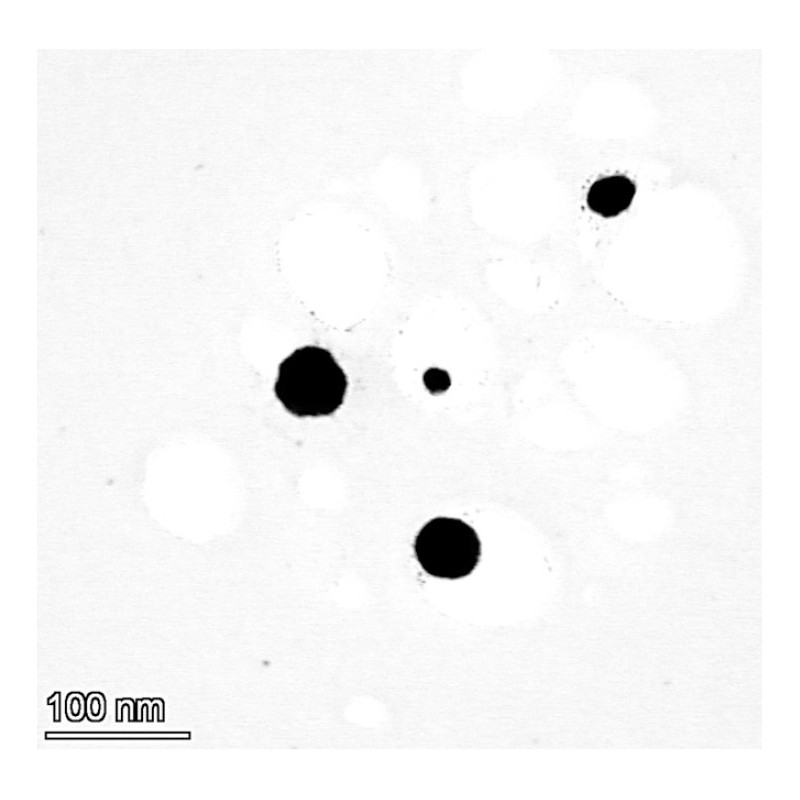
At its core, a drug delivery system is a formulation or a device that enables the introduction of a therapeutic substance into the body and improves its efficacy and safety by controlling the rate, time, and place of release. When we shrink the delivery vehicle down to the nanoscale (typically 1-100 nanometers), we create nanoparticles with extraordinary properties. These tiny carriers can encapsulate drugs, protect them from degradation in the bloodstream, and, most importantly, be engineered to seek out and accumulate at diseased sites, such as tumors. This concept, known as targeted drug delivery, promises to maximize therapeutic impact while minimizing the debilitating side effects often associated with powerful drugs like chemotherapy.
Why Nanomaterials are a Game-Changer for Drug Delivery Systems
The transition from macro-scale to nano-scale carriers isn't just about size; it's about a fundamental shift in capabilities. For researchers in India and across the globe, leveraging nanomaterials offers a plethora of advantages that directly address the limitations of traditional pharmaceuticals.
- Enhanced Bioavailability and Solubility: Many promising new drugs are poorly soluble in water, which severely limits their absorption and effectiveness. Encapsulating them within hydrophilic (water-loving) nanoparticles can transform them into stable, injectable formulations, dramatically increasing their bioavailability.
- Precision Targeting: This is the cornerstone of nanomedicine. Through passive targeting (exploiting the leaky vasculature of tumors) and active targeting (attaching specific ligands to the nanoparticle surface), drugs can be concentrated at the site of disease. This is a crucial aspect of modern nanotechnology research.
- Reduced Side Effects and Dosage: By ensuring the drug primarily acts on its target, systemic exposure and damage to healthy cells are significantly reduced. This allows for potentially lower doses, decreasing toxicity and improving patient quality of life—a major goal in cancer therapy.
- Controlled and Sustained Release: Nanocarriers can be designed to release their payload over extended periods or in response to specific triggers (like pH or temperature changes at a tumor site). This avoids the "peak and trough" concentration levels of conventional drugs, leading to more consistent therapeutic effects.
From Lab to Clinic: Groundbreaking Applications of Nanotechnology
The theoretical benefits of nanomaterials applications are already translating into tangible results across various medical fields. The versatility of nanoparticles allows them to be adapted for a wide range of therapeutic challenges.
Cancer Therapy
This remains the foremost application. Nanoparticles carrying chemotherapeutic agents can accumulate in tumors via the Enhanced Permeability and Retention (EPR) effect, revolutionizing treatment. The use of metal nanoparticles, like gold, also enables photothermal therapy, where the particles absorb light and generate heat to destroy cancer cells locally.
Infectious Diseases
Silver nanoparticles are renowned for their potent antimicrobial properties and are being explored for wound dressings and fighting drug-resistant bacteria. Furthermore, nanoparticles are being used to develop more stable and effective vaccines by improving antigen presentation to the immune system.
Neurological Disorders
The blood-brain barrier (BBB) is a major obstacle to treating diseases like Alzheimer's, Parkinson's, and brain tumors. Specially designed nanoparticles can be functionalized to traverse the BBB, opening up new avenues for delivering drugs directly to the central nervous system.
Diagnostics and Theranostics
The field of "theranostics" combines therapy and diagnostics. Quantum dots and other fluorescent nanoparticles can act as imaging agents to locate a tumor, while simultaneously carrying a drug to treat it. This synergy of seeing and treating is a powerful paradigm in personalized medicine.
Nanotechnology in India: Charting the Course for Future Innovations
India is not just a participant but an emerging leader in the field of nanomedicine. The convergence of a strong pharmaceutical industry, a vast pool of scientific talent, and proactive government support has created a fertile ecosystem for R&D in nanotechnology trends.
The Government of India's Nano Mission has been instrumental in funding research and building infrastructure, fostering collaboration between institutions like the IITs, IISc, NIPERs, and various CSIR labs. This has accelerated advancements in nanoparticle synthesis and characterization. Researchers are actively investigating novel materials, including biodegradable polymers, lipids, and various nanometals in medicine.
A key focus area is developing cost-effective nanomedicines for diseases prevalent in the Indian population, such as tuberculosis, malaria, and various forms of cancer. The challenge lies in creating scalable, affordable, and regulatory-compliant drug delivery systems. As the industry matures, we can expect to see more "Made in India" nanomedicines moving from the laboratory to clinical trials, solidifying the country's role as the pharmacy of the world, even in the high-tech domain of nanotechnology.