
The Nanoscale Revolution in Indian Medicine
Welcome to the frontier of medical innovation. At the heart of this revolution lies nanotechnology, a field that manipulates matter on an atomic and molecular scale. For Indian researchers and professionals, this isn't just a global trend; it's a pivotal opportunity to address some of our nation's most pressing healthcare challenges. By engineering materials at the nanoscale (typically between 1 and 100 nanometers), we can create tools and therapies that are more precise, effective, and accessible than ever before.
The application of nanomaterials in medicine—a field known as nanomedicine—is transforming how we approach disease. Imagine delivering potent cancer drugs directly to a tumor, bypassing healthy cells and eliminating debilitating side effects. Picture a diagnostic tool that can detect a virus from a single drop of blood in minutes. These are not futuristic fantasies; they are the tangible outcomes of research into nanoparticles for drug delivery and nanoscale diagnostics. This article delves into the core principles, groundbreaking applications, and the unique landscape of opportunities and challenges for nanotechnology applications within the Indian context.
Key Benefits for Researchers & Innovators
- Enhanced Efficacy: Nanoparticles can increase the solubility and bioavailability of drugs, making them more effective at lower doses.
- Targeted Delivery: Surface-functionalized nanoparticles can be designed to target specific cells or tissues, maximizing therapeutic impact while minimizing systemic toxicity. This is a cornerstone of modern nanoparticles for drug delivery systems.
- Unprecedented Sensitivity: In diagnostics, nanomaterials for biosensing offer ultra-high sensitivity, enabling the detection of biomarkers at extremely low concentrations for early disease diagnosis.
- Multifunctionality: A single nanoparticle can be engineered for both diagnosis and therapy (theranostics), allowing for simultaneous imaging and treatment.
- Innovation Catalyst: Working with nanoscale materials opens up new avenues for interdisciplinary research, blending chemistry, biology, physics, and engineering to solve complex medical problems.
Core Applications: From Lab to Clinic
1. Nanoparticles for Drug Delivery
This is arguably the most advanced area of nanomedicine. By encapsulating drugs within biocompatible nanoscale materials like liposomes, polymers, or even metal nanoparticles, we can overcome biological barriers. These systems, often called nanosuspensions, protect the drug from degradation, control its release over time, and can be guided to specific sites. For instance, gold or iron oxide nanoparticles can be directed to tumors using magnets or targeted ligands, representing a significant leap in cancer therapy.
2. Nanoscale Diagnostics & Imaging
Nanoscale diagnostics are revolutionizing how we 'see' disease. Quantum dots, tiny semiconductor crystals, can glow brightly under UV light and be used to tag and image specific cells or proteins with incredible clarity. Superparamagnetic iron oxide nanoparticles (SPIONs) are used as highly effective contrast agents in Magnetic Resonance Imaging (MRI), providing much sharper images of tissues. These nanotechnology applications enable earlier and more accurate diagnoses.
3. Nanomaterials for Biosensing
The development of rapid, low-cost diagnostic tests is a major goal in India. Nanomaterials for biosensing are key to achieving this. Gold and silver nanoparticles, for example, exhibit a phenomenon called Localized Surface Plasmon Resonance (LSPR). When a target molecule (like a virus antigen) binds to the nanoparticle's surface, it causes a color change that can be detected by the naked eye or a simple reader. This principle is used in pregnancy tests and is being adapted for detecting infectious diseases like dengue and COVID-19.
The Indian Landscape: Opportunities and Trends
India's vibrant R&D ecosystem is rapidly embracing nanotechnology. Government initiatives like the 'Nano Mission' have infused significant funding into research institutions and startups. The focus is on developing cost-effective solutions for India-specific problems. Key trends include:
- Affordable Diagnostics: There's a huge push to develop affordable, point-of-care diagnostic kits using nanomaterials for biosensing. This is critical for managing public health in remote and rural areas.
- Tackling Tropical Diseases: Researchers are exploring nanoparticles for drug delivery to combat diseases like malaria, tuberculosis, and leishmaniasis, aiming to overcome drug resistance and reduce treatment duration.
- Green Synthesis: A significant trend is the use of plant extracts and microorganisms for 'green' nanoparticle synthesis techniques. This approach is eco-friendly, low-cost, and aligns with India's strengths in natural resources.
- Theranostics for Cancer: Leading Indian research institutes are at the forefront of developing multifunctional metallic nanostructures and other nanomaterials for theranostics—the combined diagnostic and therapeutic approach to cancer treatment.
However, the path is not without its nanomaterials for diagnostics and therapeutics challenges. Scaling up production from the lab bench to an industrial scale while maintaining quality and affordability is a major hurdle. Furthermore, navigating the regulatory landscape for nanomedicines requires clear guidelines and rigorous testing for long-term biocompatibility and safety. Overcoming these challenges will be key to unlocking the full potential of nanotechnology in the Indian healthcare sector.
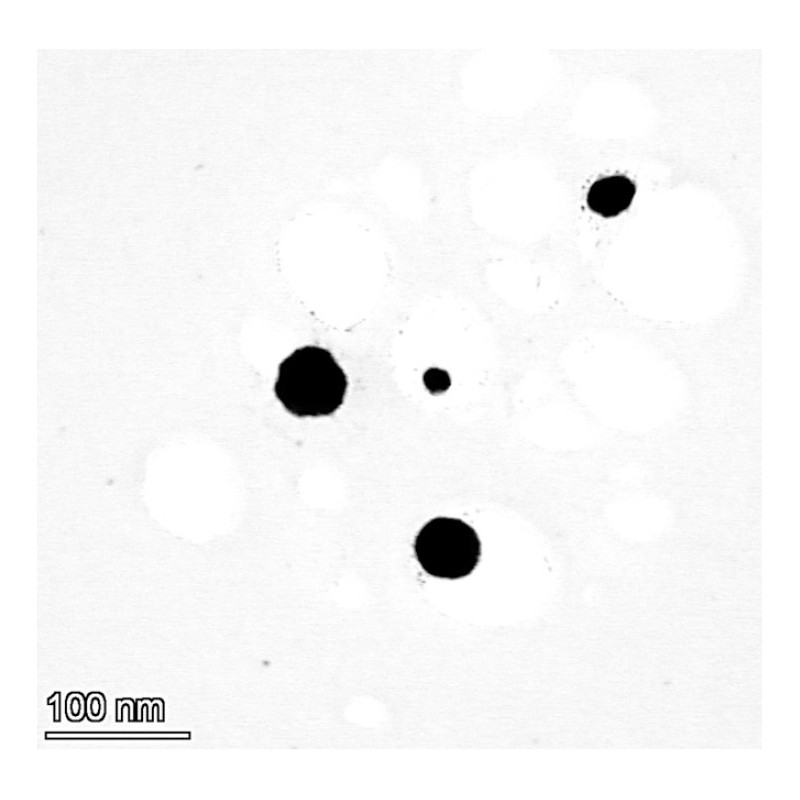
Featured Nanomaterials for Your Research


Frequently Asked Questions
The primary applications of nanotechnology in medicine, often called nanomedicine, include targeted drug delivery, advanced diagnostics and imaging, regenerative medicine, and the development of novel biosensors. Nanoparticles can be engineered to deliver drugs directly to cancer cells, minimizing side effects, or act as contrast agents for clearer MRIs.
There are several nanoparticle synthesis techniques. 'Bottom-up' methods involve self-assembly of molecules, such as nanoprecipitation and sol-gel synthesis. 'Top-down' methods break down larger materials into nanoscale particles, using techniques like high-pressure homogenization and milling. The choice of method depends on the desired particle size, material (e.g., metal nanoparticles, polymers), and application.
Key challenges include potential long-term toxicity and biocompatibility issues, scaling up nanoparticle synthesis from lab to industrial production, ensuring batch-to-batch consistency, and navigating complex regulatory approval pathways. For India, cost-effective manufacturing and accessibility are also significant hurdles.
Gold and silver nanoparticles have unique optical properties, specifically Localized Surface Plasmon Resonance (LSPR). When biomolecules (like DNA or proteins) bind to their surface, it causes a detectable shift in the LSPR, often visible as a color change. This makes them excellent for developing rapid, sensitive, and low-cost diagnostic tests and biosensors.
Ready to Advance Your Research?
Hiyka provides high-purity, research-grade nanomaterials to power your next discovery. From metallic nanoparticles to custom dispersions, find the materials you need to turn innovative ideas into reality.
Browse Our Products