The Dawn of a New Solar Era in India
India stands at the cusp of an energy transformation. With an ambitious goal of reaching 500 GW of non-fossil fuel energy capacity by 2030, the nation's focus on solar energy has never been more intense. While traditional silicon-based solar panels have been the workhorse of this revolution, the scientific community is buzzing with the potential of a new class of materials: **perovskites**, supercharged by the power of **nanomaterials**. This combination is not just a minor upgrade; it represents a paradigm shift in how we think about, manufacture, and deploy **solar cells**.
For Indian researchers, professionals, and industries, understanding the synergy between **nanomaterials** and **perovskites for solar energy** is crucial. This isn't just a global trend; it's a homegrown opportunity. The technology promises not only to shatter efficiency records but also to drastically lower the cost of solar power, making it accessible to the remotest corners of the country. The core of this revolution lies in **nano technology**, which allows us to engineer materials at the atomic level, unlocking properties previously confined to theory. From advanced **nano coatings** that protect and enhance solar cells to **quantum dots** that capture a wider spectrum of light, nanomaterials are the key enablers of next-generation **renewable energy**.
This article delves into the heart of this exciting field. We will explore what makes perovskites so special, how nanomaterials amplify their capabilities, and what this means for the future of **energy storage** and sustainable materials in the Indian context. Whether you are a researcher in a lab, an engineer in the field, or a policymaker shaping the future, the age of perovskite-nanomaterial solar technology is here, and it’s poised to redefine India's energy landscape.
Key Benefits for Indian Researchers & Industry
The adoption of perovskite and nanomaterial technology in solar energy research offers tangible advantages that align perfectly with India's scientific and economic goals.
-
Unprecedented Power Conversion Efficiency (PCE)
Perovskite solar cells (PSCs) have demonstrated lab-scale efficiencies exceeding 25%, rivaling and even surpassing traditional silicon cells. Nanomaterials like quantum dots and plasmonic nanoparticles can further boost this by enhancing light absorption and improving charge carrier extraction.
-
Low-Cost Manufacturing & Abundant Materials
Unlike the high-temperature, energy-intensive processes required for silicon wafer production, perovskites can be synthesized using simple, low-cost solution-based methods (like spin-coating or printing). The raw materials are also more abundant and cheaper, a significant advantage for a price-sensitive market like India.
-
Tunable Properties & Versatility
The properties of both perovskites and nanomaterials can be precisely tuned. By changing the chemical composition, researchers can adjust the bandgap to absorb different parts of the solar spectrum. This makes them ideal for tandem solar cells (stacking a perovskite cell on top of a silicon one) and for applications beyond traditional panels, such as flexible, transparent, and wearable solar devices.
-
Enhanced Stability through Nano Technology
The main Achilles' heel of perovskites is their instability in the presence of moisture and oxygen. This is where **nano technology** offers a solution. Hydrophobic **nano coatings** and advanced encapsulation techniques using materials like graphene or metal oxides can create robust barriers, significantly extending the lifespan and reliability of perovskite **solar cells**.
Industry Applications & Future Potential
High-Efficiency Tandem Solar Cells
By layering a perovskite cell on top of a traditional silicon cell, tandem devices can capture more of the sun's energy. The perovskite layer absorbs high-energy blue light, while the silicon layer absorbs lower-energy red light. This approach has the potential to push efficiencies well beyond 30%, revolutionizing utility-scale solar farms.
Building-Integrated Photovoltaics (BIPV)
Because perovskites can be made semi-transparent, they are perfect for BIPV applications. Imagine windows, facades, and skylights that generate electricity without obstructing the view. This transforms passive building surfaces into active power generators, a crucial step for creating smart, energy-independent cities.
Flexible & Wearable Electronics
The ability to fabricate PSCs on flexible substrates opens up a world of possibilities. This includes powering wearable sensors, charging personal devices on the go through solar-powered clothing or backpacks, and deploying rollable solar panels for disaster relief and military applications.
Indoor and Low-Light Energy Harvesting
Perovskites are exceptionally good at converting ambient indoor light into electricity. This makes them ideal for powering Internet of Things (IoT) devices, wireless sensors, and electronic shelf labels, eliminating the need for batteries and creating a more sustainable, interconnected environment.
Advanced Energy Storage Solutions
The research into perovskite structures extends beyond solar generation. Perovskite oxides are being explored for use in next-generation batteries and supercapacitors. Integrating perovskite-based **energy storage** with perovskite solar cells could lead to highly efficient, all-in-one renewable energy systems.
LED Lighting and Displays
The same properties that make perovskites great at absorbing light also make them excellent at emitting it. Perovskite Quantum Dots (PQDs) are being used to create highly efficient and color-pure LEDs for next-generation displays and lighting, offering better performance than current technologies.
Opportunities and Research Trends in India
India's scientific community is actively engaged in the global race to perfect perovskite solar technology. Premier institutions like the IITs, IISc, and CSIR labs are at the forefront of research, focusing on India-specific challenges and opportunities. The current trends in Indian R&D for **nanomaterials perovskites for solar energy** are centered around three key areas: stability, scalability, and sustainability.
First, tackling the stability issue is paramount. Researchers are experimenting with novel **nanomaterials** as passivation agents and encapsulants. Two-dimensional materials like graphene and MXenes are being integrated as interfacial layers to block moisture and prevent ion migration, which is a primary cause of degradation in perovskite **solar cells**. The development of hydrophobic **nano coatings** that can be applied at low cost is a major focus. Second, scalability is crucial for commercial viability. Indian labs are moving beyond spin-coating to explore scalable printing techniques like slot-die coating and inkjet printing, which are more suited for industrial production. This requires optimizing the "inks" made from perovskite precursors and **nanoparticle** solutions. Third, there is a strong push towards "green" perovskites. This involves replacing the toxic lead component with less harmful elements like tin or bismuth and using environmentally friendly solvents. This focus on **sustainable materials** is vital for long-term public acceptance and environmental compliance.
Government initiatives like the Ministry of New and Renewable Energy (MNRE) funding programs and the 'Make in India' campaign are providing a significant tailwind. These programs encourage domestic manufacturing and innovation in **renewable energy**, creating a fertile ground for startups and industry-academia collaborations. The convergence of expertise in IT, materials science, and manufacturing puts India in a unique position to become a leader in the next generation of **nano technology**-driven solar solutions.
Recommended Nanomaterials for Solar Research
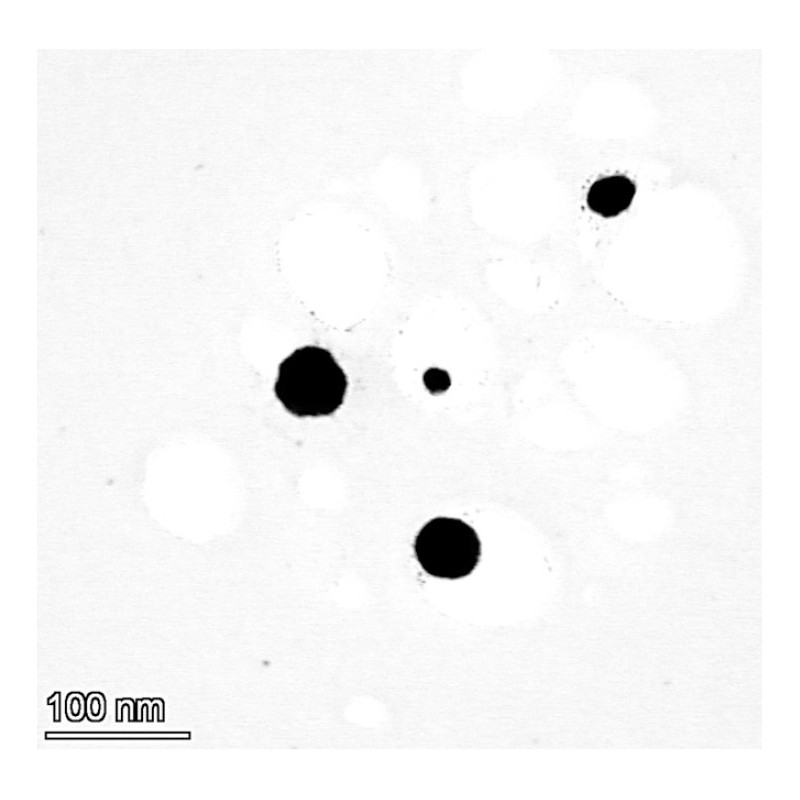
Copper nanoparticles aqueous dispersion 70nm (3wt% and 10wt%)

Silver Nanoparticles, Colloidal Solution in Water

Platinum Nanoparticles, Hydrophilic

Micron Copper Powder
Frequently Asked Questions
Perovskite Solar Cells (PSCs) are a type of solar cell that includes a perovskite-structured compound as the light-harvesting active layer. They are known for their high power conversion efficiencies, low production costs, and versatility, making them a promising alternative to traditional silicon-based solar cells.
Nanomaterials are critical in advancing solar energy technology. They can increase the efficiency of solar cells by enhancing light absorption (e.g., quantum dots), improve charge transport, and increase the stability and lifespan of devices through nano-coatings. Their unique properties at the nanoscale allow for the creation of more efficient, durable, and cost-effective renewable energy solutions.
While perovskite solar cell technology is advancing rapidly, it is still largely in the research and development phase in India and globally. Commercial availability is limited, with most applications focused on niche markets. However, significant R&D efforts by Indian institutions and companies are aimed at overcoming stability and scalability challenges to bring them to the mass market soon.
The primary challenges facing perovskite solar cells are long-term stability and durability. They can degrade when exposed to moisture, oxygen, and heat, which affects their operational lifespan. Another concern is the presence of lead in many high-efficiency perovskite compounds, raising environmental and health questions that researchers are actively working to solve through material engineering and encapsulation.
Indian researchers and professionals can procure high-quality nanomaterials from specialized suppliers like Hiyka. We provide a wide range of materials, including various nanoparticles, quantum dots, and precursors for perovskite synthesis, with reliable delivery across India to support advanced R&D projects.
Ready to Accelerate Your Research?
Be a part of the solar revolution. Explore our extensive catalog of high-purity nanomaterials and perovskite precursors to fuel your next breakthrough.
Contact Us for a Quote