
The Dawn of a Miniaturized Revolution in Indian R&D
Nanotechnology, the science of manipulating matter at an atomic and molecular scale, is no longer a concept confined to science fiction. For India, a nation rapidly ascending the global R&D ladder, it represents a paradigm shift. From advanced healthcare solutions to sustainable energy and high-strength materials, the applications are boundless. At the heart of this revolution lie nanomaterials, nanofibers, and nano-composites—the fundamental building blocks that are empowering Indian researchers and industries to innovate at an unprecedented level.
This guide is crafted for the curious minds in Indian laboratories and universities, the engineers on the factory floors, and the strategists in corporate boardrooms. We will delve into the core concepts of nanotechnology, explore its tangible benefits, showcase groundbreaking applications, and discuss the specific trends shaping the future of nano-science in India. Whether your focus is on nano-biotechnology for medical breakthroughs or developing advanced nano-coatings for industrial use, understanding these materials is paramount.
Why Should Indian Researchers Focus on Nanomaterials?
The unique properties of materials at the nanoscale offer a compelling suite of advantages that directly address many of the challenges and opportunities within the Indian research landscape. Integrating nanotechnology into your work can lead to significant breakthroughs:
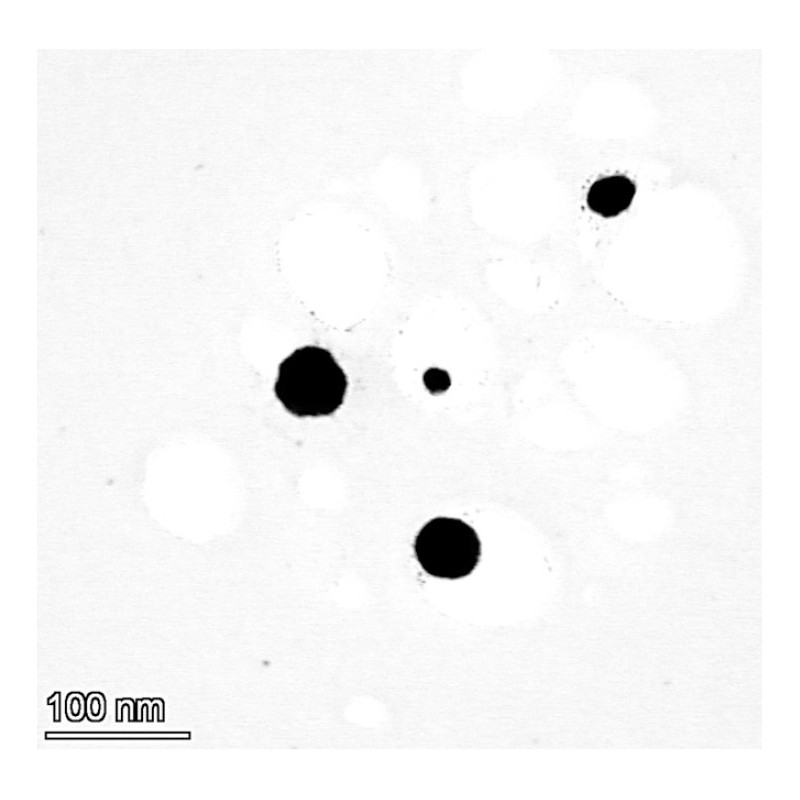
- Enhanced Performance: Nanomaterials like metallic nanoparticles can dramatically improve the properties of a host material. For instance, adding carbon nanotubes to a polymer creates a nano-composite that is significantly stronger, lighter, and more conductive.
- Novel Functionalities: Nanotechnology enables the creation of materials with entirely new capabilities. Think of self-cleaning surfaces using nano-coatings, or targeted drug delivery systems using functionalized nano-particles that only act on cancer cells.
- Miniaturization and Efficiency: The ability to build smaller, more powerful components is a core benefit. This is critical in electronics, where nanotechnology drives the development of faster processors and higher-density storage, and in diagnostics, enabling portable, highly sensitive sensors.
- Resource Sustainability: Many nano-applications are inherently green. For example, nano-additives can make manufacturing processes more efficient, catalysts with nanoparticles can reduce energy consumption, and nano-silver provides potent antimicrobial properties, reducing the need for harsh chemicals.
- High-Impact Publications and Patents: Research in nanotechnology is at the cutting edge. Working with novel nanomaterials and discovering new applications, such as using nanofibers for tissue engineering, is a fertile ground for high-impact factor publications and valuable patents, boosting both personal and institutional prestige.
Transformative Applications Across Indian Industries
Healthcare & Nano-Biotechnology
The use of nanofibers for tissue engineering is a prime example of nano-biotechnology's potential. Researchers are creating scaffolds that guide cell growth to repair organs. Furthermore, nano-silver and other metallic nanoparticles are being integrated into medical devices and wound dressings for their powerful antimicrobial properties, combating hospital-acquired infections—a major concern in India.
Electronics & Energy
Nanomaterials are critical for developing next-generation electronics. They are used in creating more efficient solar cells, high-capacity batteries, and flexible displays. In the energy sector, nano-catalysts are improving the efficiency of fuel production and pollution control, directly supporting India's goals for sustainable energy independence.
Manufacturing & Materials
Nano-composites are revolutionizing the manufacturing sector. By embedding nano-additives into polymers, metals, and ceramics, companies can produce materials that are incredibly lightweight yet stronger than steel. This is vital for the automotive and aerospace industries. Similarly, durable, corrosion-resistant nano-coatings extend the life of machinery and infrastructure.
India-Specific Opportunities and Future Trends in Nanotechnology
The Government of India has recognized nanotechnology as a key strategic area through initiatives like the Nano Mission. This has created a fertile ecosystem for research and commercialization. For professionals and researchers, the opportunities are immense. The current trend points towards application-driven research, focusing on solving India's unique challenges.
One major area is water purification. Developing cost-effective filters using nanomaterials to remove contaminants and pathogens is a national priority. Another significant trend is in agriculture, where nano-particles are being explored to create more effective fertilizers and pesticides that reduce environmental runoff. The demand for advanced nano-composites is also surging, driven by the 'Make in India' initiative, which encourages domestic manufacturing in high-tech sectors like defense and aerospace. As this field grows, so does the need for standardized, high-purity nanomaterials, creating a robust supply chain and a market for specialized providers who understand the rigorous demands of scientific research.
Frequently Asked Questions
Nanomaterials are chemical substances or materials with particle sizes ranging from 1 to 100 nanometers in at least one dimension. Due to their small size, they exhibit unique physical, chemical, and biological properties compared to their larger counterparts, making them crucial for advancements in nanotechnology.
In India, researchers use nanofibers to create scaffolds that mimic the natural extracellular matrix (ECM) of tissues. These scaffolds support cell growth, proliferation, and differentiation, paving the way for regenerating damaged tissues and organs. This is a key area of nano-biotechnology.
Nano-composites derive their strength from the integration of nanoparticles into a matrix material (like a polymer). The nanoparticles have a very high surface-area-to-volume ratio, which creates strong interfacial bonding with the matrix, efficiently transferring load and significantly enhancing properties like strength, stiffness, and thermal stability.
Reliable sourcing is key for reproducible research. Suppliers like Hiyka provide a wide range of high-purity nanomaterials, including metallic nanoparticles, nano-silver, and various dispersions, catering specifically to the needs of the Indian R&D community.
Recommended Nanomaterials for Your Research


Ready to start your next project?
Get in touch with our experts to find the perfect nanomaterials for your research and development needs.
Contact Us