Shrinking Worlds, Expanding Possibilities: An Introduction
In the relentless pursuit of storing the ever-growing mountains of data humanity generates, we are rapidly approaching the physical limits of conventional silicon-based technology. The solution? To think smaller. Much smaller. Welcome to the world of nanotechnology, a field poised to redefine the very fabric of data storage. For Indian researchers, scientists, and technology professionals, understanding the innovations in nanotechnology is not just an academic exercise; it's a gateway to pioneering the next wave of digital infrastructure. This isn't science fiction; it's the tangible future being built in labs today, using materials engineered at the atomic level.
At its core, nanotechnology in data storage leverages the unique quantum and surface phenomena of materials at the nanoscale (one billionth of a meter). Imagine storing a thousand movies on a device the size of a sugar cube or accessing vast databases in the blink of an eye with minimal energy consumption. These are the promises of nanomaterials. Specifically, NanoMetals—tiny particles of elements like gold, silver, platinum, and copper—are at the forefront of this revolution. Their distinct magnetic, optical, and electronic properties make them ideal candidates for creating next-generation hard drives, flash memory, and even futuristic holographic storage systems. As India solidifies its position as a global R&D hub, the applications of nanomaterials present a monumental opportunity to lead in the development of these advanced technologies.
Why Nanomaterials? The Researcher's Edge
For professionals in the Indian R&D sector, working with nanomaterials offers a distinct competitive advantage. The benefits extend beyond just performance metrics, opening up new avenues for research and commercialization.
-
Unprecedented Storage Density
Nanoparticles allow for data bits to be stored on incredibly small physical footprints. This leapfrogs the density limitations of current magnetic and solid-state drives, enabling terabytes of storage on minuscule devices.
-
Enhanced Speed and Efficiency
The unique electronic properties of NanoMetals can drastically reduce read/write times. Furthermore, devices built with nanomaterials often require less power to operate, a critical factor for both mobile computing and large-scale data centers.
-
Superior Durability and Longevity
Nanomaterial-based storage can be more resistant to physical shock, temperature fluctuations, and magnetic interference. This leads to more reliable long-term archival of data, a key concern for enterprises and research institutions.
Industry Applications: From Lab to Market
High-Density Hard Drives (HDDs)
One of the most promising nanomaterials applications is in heat-assisted magnetic recording (HAMR). Here, a laser heats a tiny spot on a highly stable magnetic medium (often made with platinum-iron nanoparticles), allowing data to be written. This technology could increase storage density by a factor of 10 or more.
Next-Gen Solid-State Drives (SSDs)
In flash memory, nanotechnology helps overcome "electron leakage" in smaller transistors. By using quantum dots or metallic nanoparticles like silver and copper in the floating gate, SSDs can be made more reliable and with higher capacities. This is a key area in the nanomaterials for data storage devices comparison.
Resistive RAM (RRAM)
RRAM is a non-volatile memory type where applying a voltage changes the resistance of a dielectric material. Nanometal filaments (e.g., copper or silver) can be used to create and break conductive paths, representing data bits. This offers incredible speed and endurance, a significant innovation in nanotechnology.
The Indian Nanotech Landscape: Trends and Opportunities
The NanoMetals market growth in India is on an upward trajectory, fueled by government initiatives like the 'Nano Mission' and a burgeoning electronics manufacturing sector. For researchers, this translates into increased funding and collaborative opportunities. The future of nanomaterials in India is particularly bright in the electronics and semiconductor industries. As global supply chains diversify, there is a strategic push for domestic production of high-tech components, including memory chips and storage devices. This is where NanoMetals research studies become critically important.
Key trends to watch include the development of "green nanotechnology"—creating nanoparticles through environmentally friendly processes—and the integration of AI in materials discovery. Indian universities and private labs are increasingly focusing on synthesizing novel nanomaterials with tailored properties for specific data storage applications. The demand for experts in materials science, quantum physics, and semiconductor engineering is skyrocketing. Professionals who can bridge the gap between fundamental nanotechnology research and scalable industrial application will be invaluable in the coming decade. The opportunity lies not just in improving existing technology but in inventing entirely new paradigms for how we store and interact with information.
Featured Nanomaterials for Your Research
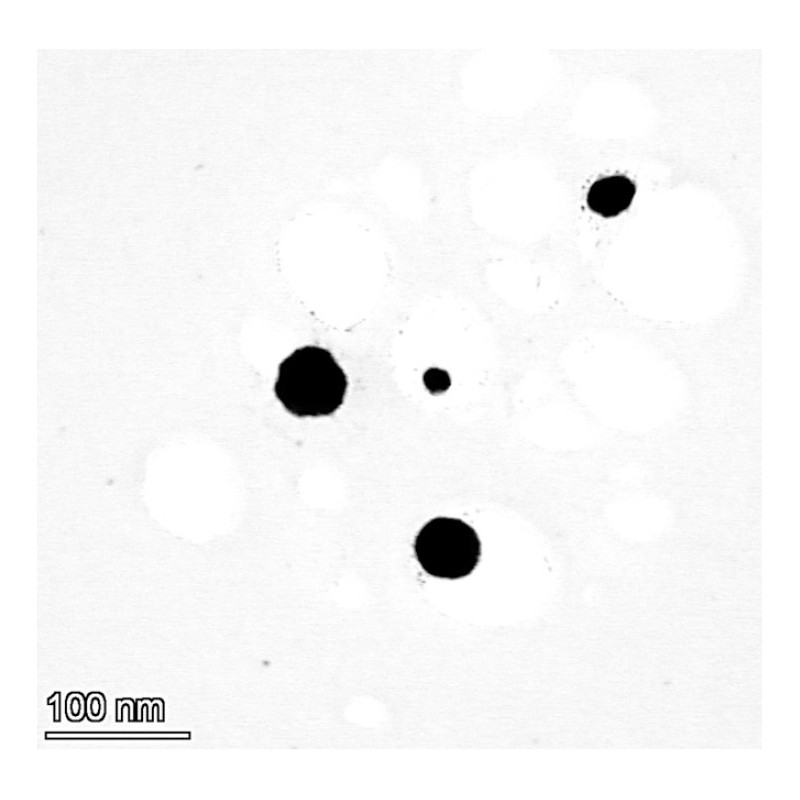
Copper nanoparticles aqueous dispersion 70nm
View Product
Silver Nanoparticles, Colloidal Solution in Water
View Product
Platinum Nanoparticles, Hydrophilic
View Product
High Purity Germanium Nano Particles
View ProductFrequently Asked Questions
Nanotechnology in data storage involves using materials and devices at the nanoscale (typically below 100 nanometers) to store digital information. This allows for the creation of storage devices that are significantly smaller, faster, and have much higher storage densities than conventional technologies.
NanoMetals, such as gold, silver, copper, and platinum nanoparticles, offer unique magnetic and electronic properties at the nanoscale. They can be used to create ultra-high-density magnetic recording media, improve the efficiency of flash memory (like in SSDs), and enable new forms of non-volatile memory, leading to faster read/write speeds and longer device lifespans.
Key challenges include the high cost of research and manufacturing, the need for specialized equipment (cleanrooms, lithography tools), and developing scalable, cost-effective production processes. Additionally, ensuring the long-term stability and reliability of nanomaterial-based devices is a significant area of ongoing research for Indian scientists and industries.
It has the potential to be. By creating more durable and energy-efficient devices, nanotechnology can reduce electronic waste and power consumption. However, the lifecycle of nanomaterials, from production to disposal, must be carefully managed to prevent potential environmental contamination. Research in green nanotechnology focuses on developing sustainable and non-toxic nanomaterials.