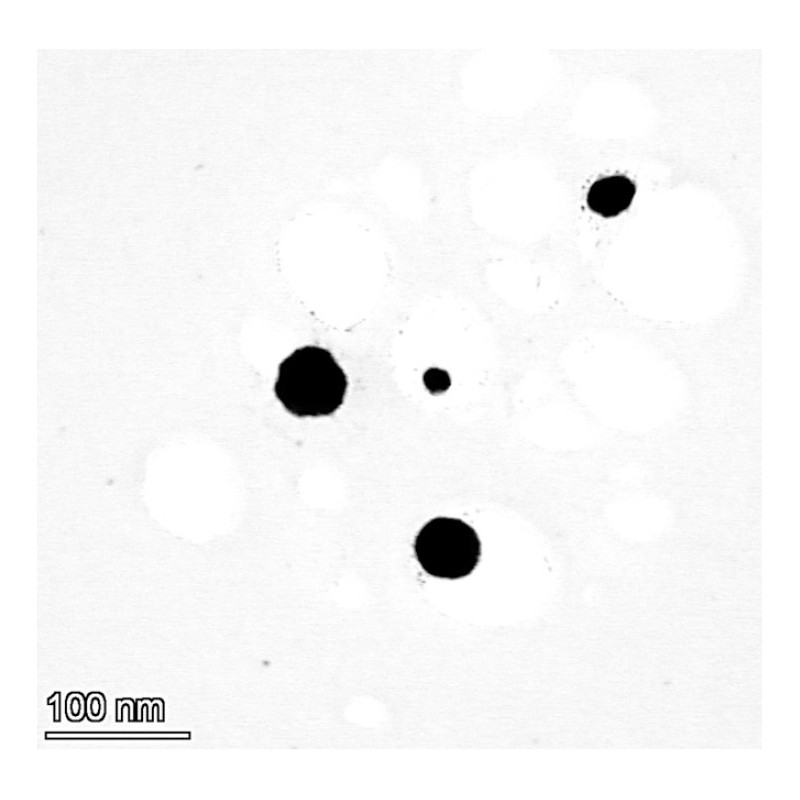
The Dawn of a New Era: Nanotechnology in Skincare
India's beauty and personal care market is in the midst of a technological renaissance. Consumers are no longer satisfied with conventional formulations; they demand products that are not just effective but are backed by scientific innovation. This is where nanotechnology in skincare emerges as a transformative force. By manipulating matter at the atomic and molecular scale, researchers are creating nano cosmetics that offer unprecedented benefits, from enhanced absorption of active ingredients to superior protection and longevity.
For Indian researchers and R&D professionals, this domain represents a frontier of limitless possibilities. The use of nanomaterials and nanoparticles—such as nano-sized zinc oxide, gold, and silver—is revolutionizing product development. These tiny particles, typically smaller than 100 nanometers, possess unique physicochemical properties compared to their bulk counterparts. This guide delves into the core applications, the critical landscape of nano regulatory compliance, and the burgeoning market trends relevant to the Indian context, providing a comprehensive roadmap for innovation in this exciting field.
Key Advantages in Cosmetic Formulation
The integration of nanotechnology provides formulators with powerful tools to overcome traditional challenges. For researchers, the benefits are multi-fold:
- Enhanced Bioavailability: Nanoparticles can improve the solubility and penetration of active ingredients like vitamins and antioxidants, delivering them more effectively to the target skin layers.
- Superior UV Protection: Mineral sunscreens using nano-sized zinc oxide and titanium dioxide offer broad-spectrum UV protection without the chalky, white residue of larger particles, improving consumer compliance.
- Improved Aesthetics and Texture: Nanomaterials can create lighter, smoother, and more elegant formulations. They can act as rheology modifiers and sensory enhancers, leading to a superior user experience.
- Long-Lasting Efficacy: Nano-encapsulation techniques protect volatile or unstable ingredients from degradation, ensuring they remain active for longer periods, both on the shelf and on the skin.
- Novel Functional Claims: The unique properties of nanomaterials, such as the antimicrobial effects of silver nanoparticles or the antioxidant potential of platinum nanoparticles, open doors for new and powerful product claims, driving market differentiation.
From Lab to Shelf: Prime Applications of Nano Cosmetics
The versatility of nanomaterials has led to their adoption across a wide spectrum of cosmetic products. Here are some of the most impactful applications driving the industry forward.
Advanced Sun Care
Perhaps the most widespread use of nanotechnology is in sunscreens. Nano-ZnO and TiO2 particles provide transparent, lightweight, and highly effective protection against UVA and UVB rays, making them a cornerstone of modern sun care formulation.
Anti-Aging Formulations
Nanoparticles of gold, silver, and platinum are being explored for their antioxidant properties. Furthermore, nano-emulsions and solid lipid nanoparticles (SLNs) serve as advanced delivery systems for potent anti-aging actives like retinol and peptides.
Color Cosmetics & Makeup
In makeup, nanoparticles create richer, more durable pigments. Nano-sized iron oxides provide vibrant shades, while silica nanoparticles can be used to create a soft-focus, mattifying effect that minimizes the appearance of pores and fine lines.
Hair Care Solutions
Nanotechnology is also making inroads into hair care. Nano-keratin and other protein nanoparticles can penetrate the hair shaft to repair damage from within, while nano-coatings can protect hair from heat and environmental stressors, improving shine and strength.
Navigating the Maze: Nano Regulatory Compliance in India and Abroad
While the innovation in nano cosmetics is rapid, the regulatory framework is playing catch-up. For any organization looking to commercialize nanotechnology-based products, understanding the legal and safety requirements is paramount. The biological impact of nanomaterials is a key concern for regulators worldwide.
The Indian Context
In India, there is currently no specific legislation dedicated solely to nanomaterials in cosmetics. Products containing nanoparticles are governed by the overarching Drugs and Cosmetics Act of 1940 and its subsequent amendments. The Bureau of Indian Standards (BIS) is responsible for setting the quality and safety standards for cosmetics under IS 4707. The onus lies on the manufacturer to conduct rigorous safety assessments and prove that their product is safe for human use. This includes evaluating factors like particle size, concentration, dermal penetration, and potential toxicity.
A Look at Global Standards
It is instructive for Indian researchers to look at international regulations, particularly in Europe. The EU has one of the most stringent frameworks for nanomaterials in cosmetics regulations europe. Under the EU Cosmetic Regulation (EC) No 1223/2009, any cosmetic containing nanomaterials must be explicitly notified to the European Commission six months before being placed on the market. The ingredients list must also clearly label nanomaterials (e.g., "Titanium Dioxide (nano)"). This proactive approach, focused on transparency and pre-market safety assessment by the Scientific Committee on Consumer Safety (SCCS), sets a benchmark for the industry. Understanding these global standards is crucial for Indian companies with export ambitions.
Future Outlook: Nanomaterial Market Trends in India
The Indian market for nano cosmetics is poised for exponential growth, driven by a confluence of factors that present immense opportunities for researchers and businesses.
The primary driver is the rising Indian consumer, who is increasingly educated, affluent, and aspirational. There's a palpable shift towards "cosmeceuticals"—products that bridge the gap between cosmetics and pharmaceuticals, offering tangible, scientifically-proven benefits. This trend perfectly aligns with the capabilities of nanotechnology in skincare.
Furthermore, government initiatives like "Make in India" and a growing ecosystem of startups are fostering domestic R&D. We are witnessing a surge in demand for high-purity nanoparticles and nanometal applications for developing next-generation products. The key nanomaterial market trends indicate a move towards:
- Green Nanotechnology: Developing nanoparticles using sustainable, plant-based methods to appeal to the eco-conscious consumer.
- Personalized Cosmetics: Using nano-delivery systems to create bespoke formulations tailored to an individual's specific skin concerns.
- Multifunctional Products: Leveraging nanomaterials to create products that offer multiple benefits, such as a foundation that provides UV protection, anti-aging benefits, and flawless coverage.
For researchers, this translates into a fertile ground for patentable innovations and industry collaborations. The ability to source high-quality research materials locally will be a critical enabler for capitalizing on these trends.
Frequently Asked Questions
Nanomaterials in cosmetics are tiny, insoluble particles with at least one dimension between 1 and 100 nanometers. They are used to enhance product efficacy, stability, and sensory experience. Common examples include titanium dioxide for UV protection and silver nanoparticles for antimicrobial properties.
The safety of nano cosmetics depends on the specific nanomaterial, its size, concentration, and potential for skin penetration. Regulatory bodies in Europe and the US have strict guidelines. In India, while specific nano-regulations are evolving, all cosmetics must adhere to the safety standards set by the Bureau of Indian Standards (BIS).
Currently, India does not have a separate regulatory framework specifically for nanomaterials in cosmetics. They fall under the general provisions of the Drugs and Cosmetics Act, 1940 and its rules. The Bureau of Indian Standards (BIS) sets the standards for cosmetic safety, and manufacturers are responsible for ensuring their products, including those with nanoparticles, are safe for consumers.
The future is incredibly promising. With a growing demand for high-performance, scientifically-backed products, nanotechnology offers immense opportunities. We expect to see more targeted delivery systems, personalized cosmetics, and sustainable nano-formulations developed and commercialized in India, supported by initiatives like 'Make in India'.