The Dawn of a New Era: Nanotechnology in Indian Textiles
The Indian textile industry, a cornerstone of our economy, stands at the brink of a technological metamorphosis. For centuries, we have been masters of fabric, from traditional weaves to modern synthetics. Today, the frontier of innovation lies at an invisible scale: the nanoscale. The integration of nanomaterials for textiles, particularly NanoMetals, is not just an incremental improvement; it's a paradigm shift, promising to embed intelligence, safety, and high performance directly into the threads of our garments.
For researchers in Indian universities and R&D labs, this is a golden age. The study of NanoMetal composites and their application is a burgeoning field, rich with potential for groundbreaking discoveries and patents. For professionals in the textile industry, understanding these nanotechnology advancements is crucial for staying competitive and meeting the evolving demands of a global market. This article delves into the world of NanoMetals applications in textiles, exploring the tangible benefits, market trends, and immense opportunities this technology holds for India.
Unlocking Potential: Key Benefits for Researchers & Innovators
The unique NanoMetal properties translate into a host of benefits that are particularly relevant for the research and development community in India. Venturing into this domain allows researchers to:
- Pioneer High-Performance Materials: Develop fabrics with inherent antimicrobial, antiviral, and anti-odor capabilities using silver and copper nanoparticles. This has massive implications for healthcare (hospital gowns, masks) and sportswear.
- Engineer Smart Textiles: Work with conductive nanoparticles like silver, copper, and platinum to create e-textiles that can monitor vital signs, provide heating, or integrate with IoT devices.
- Enhance Durability and Protection: Create textiles with superior UV radiation blocking, water and stain repellency, and flame retardancy, opening doors for advanced technical textiles used in defense, aerospace, and protective workwear.
- Contribute to Sustainable Solutions: Research shows that certain NanoMetals applications can lead to more sustainable textile processing by reducing water and energy consumption in dyeing and finishing processes.
- Drive Indigenous Innovation: By developing cost-effective methods for synthesizing and applying nanomaterials, Indian researchers can reduce reliance on imported technologies and contribute directly to the 'Make in India' initiative.
From Lab to Loom: Real-World Applications of NanoMetals
The theoretical advantages of NanoMetals in textiles are already translating into practical, market-ready applications across various sectors. Here’s a look at some of the most impactful areas:
Healthcare & Hygiene
The most prominent application is in creating antimicrobial textiles. Silver and copper nanoparticles release ions that disrupt microbial cell membranes, effectively killing bacteria and viruses on contact. This is invaluable for hospital linens, surgical gowns, face masks, and wound dressings, significantly reducing the risk of hospital-acquired infections (HAIs).
Smart Textiles & Wearables
By incorporating conductive nanoparticles like silver or platinum, fabrics can become part of an electronic circuit. This is the foundation of smart textiles that can monitor heart rate, body temperature, and other biometrics. These NanoMetal composites are also used for creating heated clothing and flexible sensors, a key area for Indian tech startups.
Sportswear & Activewear
Athletes benefit immensely from nanotechnology. Silver-infused fabrics offer excellent odor control by preventing bacterial growth. Other nanomaterials provide superior moisture-wicking, thermoregulation, and UV protection, enhancing both comfort and performance. The advantages of NanoMetals here are clear and consumer-driven.
Defense & Industrial Safety
For military personnel and industrial workers, nanotechnology offers enhanced protection. This includes uniforms with built-in chemical and biological agent resistance, improved flame retardancy, and anti-static properties. The durability and functionality of these technical textiles are significantly improved by nanomaterials development.
The Indian Horizon: Market Trends and R&D Opportunities
The future of NanoMetals in the Indian textile industry is exceptionally bright, driven by both government policy and market demand. The National Technical Textiles Mission (NTTM) is a significant catalyst, aiming to position India as a global leader in technical textiles, a sector where nanotechnology is paramount. This initiative provides a massive funding boost for R&D and infrastructure development.
Key NanoMetals market trends for Indian researchers to watch include a growing demand for 'Meditech' (medical textiles) and 'Protech' (protective textiles). The COVID-19 pandemic accelerated the adoption of antimicrobial fabrics, and this awareness is now a permanent part of consumer and institutional consciousness. There is a pressing need for scalable, cost-effective solutions. Researchers who can develop efficient synthesis processes for materials like Copper nanoparticles aqueous dispersion or stable Silver Nanoparticles colloidal solutions will find a ready market.
Furthermore, the convergence of textiles with IoT presents a blue-ocean opportunity. Developing the next generation of wearable technology requires deep expertise in NanoMetal properties and their integration into flexible substrates. Indian R&D institutions can become global hubs for this innovation, collaborating with both textile giants and tech startups. For those searching for "nanomaterials for textile industry applications pdf," the goal should be to move beyond academic papers to tangible, commercialized products that solve real-world problems.
Frequently Asked Questions
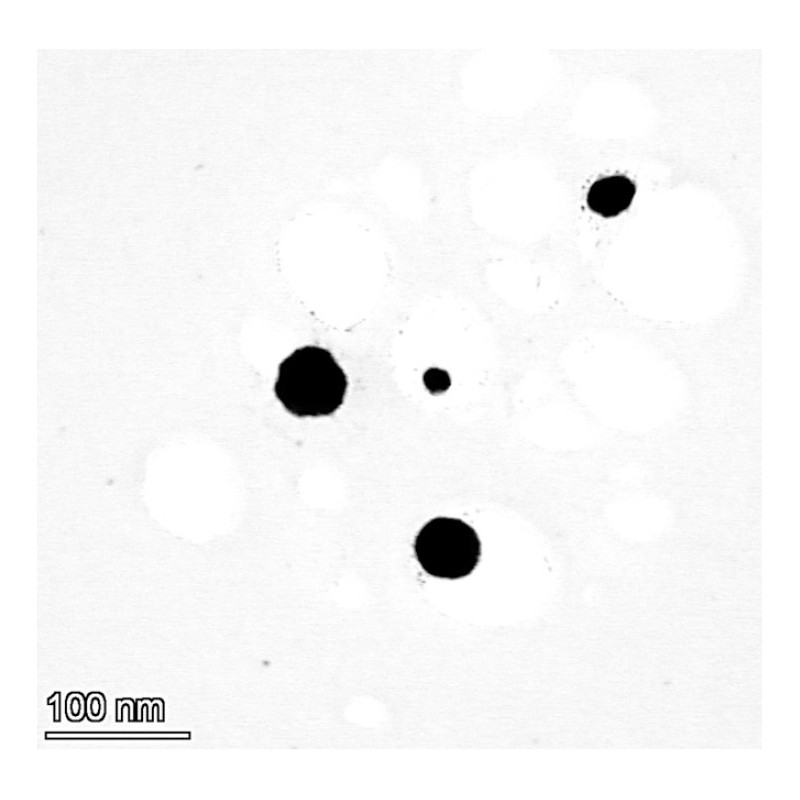
NanoMetals in textiles refer to the integration of metallic nanoparticles, typically between 1 and 100 nanometers in size, into or onto fabric fibers. These nanoparticles, such as silver, copper, zinc, and platinum, impart unique functionalities to the textile, such as antimicrobial properties, UV protection, conductivity for smart fabrics, and enhanced durability, which are not achievable with conventional materials.
Safety is a primary concern in nanotechnology. Reputable manufacturers use methods that securely bond nanoparticles to the fabric to minimize leaching. Extensive research is ongoing to ensure consumer safety and environmental compatibility. In India, regulatory bodies and research institutions are actively involved in developing standards for the safe application and disposal of nanomaterials in consumer goods.
Silver nanoparticles (AgNPs) are widely used for their powerful antimicrobial and anti-odor properties. Copper nanoparticles (CuNPs) are also popular for similar reasons and are often more cost-effective. Zinc oxide (ZnO) and titanium dioxide (TiO2) nanoparticles are used for UV protection and photocatalytic self-cleaning properties. Gold and platinum nanoparticles are explored for high-end applications, including advanced sensors in smart textiles.
Nanomaterials can be applied to textiles through various methods. The most common techniques include padding (dipping the fabric in a solution of nanoparticles), coating (spraying or spreading a nano-solution on the surface), and melt spinning (incorporating nanoparticles directly into the polymer matrix before the fiber is extruded). The choice of method depends on the desired functionality, durability, and type of fabric.
The future is incredibly promising. With government initiatives like the National Technical Textiles Mission (NTTM) and a growing demand for high-performance textiles in healthcare, sportswear, and defense, the Indian market is poised for significant growth. We expect to see a surge in indigenous R&D, leading to cost-effective and scalable solutions, making India a key player in the global smart and functional textiles market.