
The Dawn of a New Solar Era in India
India stands at the cusp of a renewable energy revolution, with solar power at its very heart. As the nation ambitiously pursues its clean energy targets under the National Solar Mission, the focus of the scientific community has shifted towards a microscopic solution for this macroscopic challenge: nanotechnology. The efficiency of solar thermal collectors, the workhorses of solar energy conversion, has long been constrained by the properties of conventional heat transfer fluids. This is where nanomaterials enter the picture, promising a paradigm shift in performance.
At its core, the challenge is simple: how to capture solar energy as heat and transfer it with minimal loss. The answer lies in improving the thermal conductivity of the transfer medium. By dispersing minuscule nanoparticles—such as those made of copper, silver, or carbon—into base fluids like water or glycol, researchers can create "nanofluids." These engineered fluids exhibit remarkably superior heat transfer properties compared to their conventional counterparts. This enhancement is not just an incremental improvement; it's a leap forward in solar thermal technology.
For Indian researchers and industries, this field represents a monumental opportunity. It aligns perfectly with national initiatives like "Make in India" and "Aatmanirbhar Bharat," fostering indigenous innovation in a high-impact sector. By mastering the design and application of nanomaterials for solar thermal collectors, India can not only meet its domestic energy needs more efficiently but also emerge as a global leader in advanced solar technologies. This article delves into the science, benefits, applications, and the burgeoning opportunities that nanotechnology brings to the solar landscape in India.
Key Benefits for Researchers and Innovators
The integration of nanomaterials into solar collector systems provides a fertile ground for research and development, offering tangible advantages:
- Dramatically Increased Thermal Conductivity: Even a small concentration of nanoparticles can boost a fluid's thermal conductivity by over 20-30%, leading to faster heat transfer and higher collector efficiency.
- Enhanced Solar Absorption: Nanofluids can be engineered to absorb solar radiation directly, not just conduct heat. This "direct absorption" minimizes heat loss from the collector surface, a significant advantage over traditional surface-coated absorbers.
- System Miniaturization and Cost Reduction: Higher efficiency means smaller collector areas are needed to produce the same amount of energy. This can lead to reduced material usage, lower installation costs, and more compact system designs.
- Tunable Optical Properties: Researchers can select specific types, sizes, and concentrations of nanoparticles to tune the optical properties of the nanofluid, optimizing it for the solar spectrum and specific applications.
Industry Applications & Future Scope
Flat-Plate & Evacuated Tube Collectors
These common solar collectors, used for water heating in homes and commercial buildings across India, can see significant performance boosts. Using nanofluids as the heat transfer medium can increase their efficiency by 10-15%, making solar water heaters more effective, especially during winter months. This directly impacts energy savings for millions of households.
Concentrating Solar Power (CSP)
In large-scale CSP plants, which use mirrors to concentrate sunlight, operating temperatures are extremely high. Advanced nanocomposites and high-temperature nanofluids can improve the efficiency and durability of receivers and thermal storage systems, making utility-scale solar power generation more economically viable and competitive with fossil fuels.
Photovoltaics/Thermal (PV/T) Systems
PV/T systems generate both electricity and heat. However, the efficiency of photovoltaic (PV) cells drops as they get hotter. By using a nanofluid to cool the PV panel while capturing the heat, nanoengineering can dramatically improve the overall energy output of the hybrid system, making it ideal for rooftop installations with limited space.
Industrial Process Heat
Many industries in India, such as textiles, dairy, and chemical processing, require low to medium temperature heat. Solar thermal systems enhanced with nanostructures can provide this heat reliably and cost-effectively, reducing reliance on expensive and polluting furnace oil or gas and contributing to a greener industrial footprint.
India-Specific Trends and Opportunities
The landscape for nanotechnology in India's solar sector is brimming with potential. The Indian government's strong push for renewable energy creates a favorable policy environment. Institutes like the IITs, IISc Bangalore, and various NITs are at the forefront of research into nanomaterials for solar thermal collectors design. This academic push is creating a skilled workforce ready to translate laboratory breakthroughs into commercial products.
A key trend is the focus on Green Nanotechnology. Indian researchers are exploring the synthesis of nanoparticles using locally available, eco-friendly materials like plant extracts. This not only reduces the environmental impact but also lowers production costs, making the technology more accessible. The development of stable, low-cost copper and carbon-based nanofluids is a particularly promising area for commercialization.
Furthermore, the synergy between nanotechnology and other emerging fields like AI and IoT is creating new frontiers. Smart solar thermal systems could use sensors to monitor nanofluid stability and performance in real-time, using AI algorithms to optimize flow rates and heat collection. This convergence of technologies positions India to be a hub for next-generation nanoengineering and solar solutions.
Frequently Asked Questions (FAQ)
Metal-based nanoparticles like copper, silver, and gold, along with carbon nanotubes (CNTs) and graphene, are highly effective. The choice depends on the base fluid, cost considerations, and desired stability. For Indian researchers, copper nanoparticles often provide an excellent balance of performance and cost-effectiveness.
Nanoparticles improve efficiency in two main ways: 1) They significantly increase the thermal conductivity of the heat transfer fluid (like water or glycol), allowing for faster and more efficient heat absorption. 2) They enhance the fluid's ability to absorb solar radiation directly, reducing heat loss and improving the overall performance of the system.
Stability is a critical research area. While early challenges included particle agglomeration and sedimentation, modern nanotechnology techniques have led to more stable dispersions. Using surfactants, controlling pH, and optimizing nanoparticle concentrations are key strategies to ensure long-term stability in practical applications.
Green Nanotechnology focuses on creating and using nanomaterials in an environmentally friendly and sustainable manner. In solar energy, this involves synthesizing nanoparticles using plant extracts or other eco-friendly methods and applying them to improve renewable energy systems, thus contributing to a cleaner energy cycle from production to application.
Recommended Products for Your Research
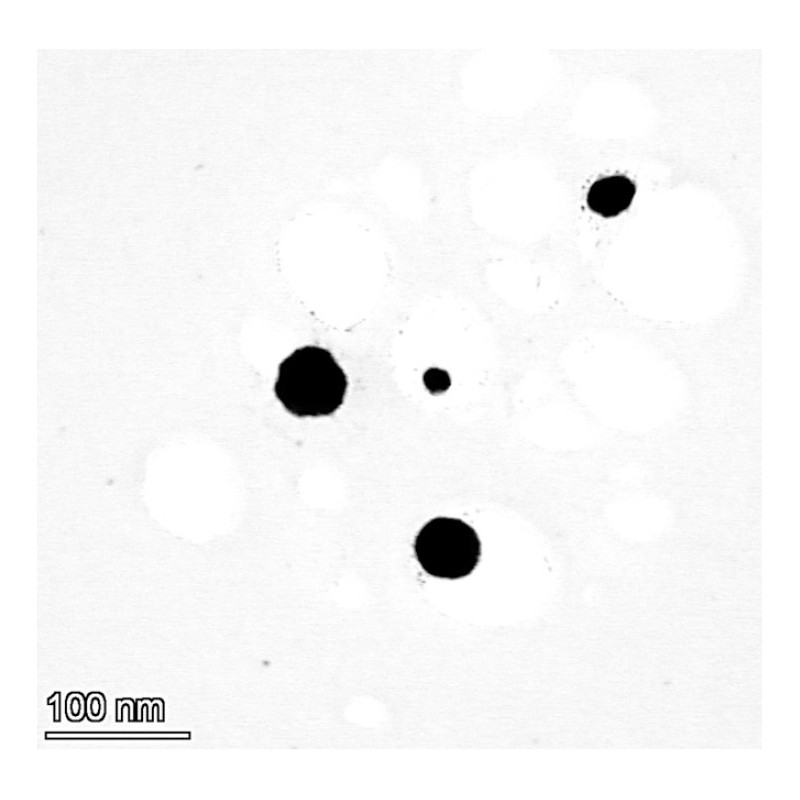
Copper nanoparticles aqueous dispersion 70nm (3wt% and 10wt%)
View Product →
Silver Nanoparticles, Colloidal Solution in Water
View Product →
Platinum Nanoparticles, Hydrophilic
View Product →
Micron Copper Powder
View Product →Ready to Advance Your Solar Research?
Explore our wide range of high-purity nanoparticles and dispersions to power your next innovation in solar thermal technology.
Browse Nanomaterials