The Dawn of a New Medical Era in India
The world of medicine is on the brink of a transformation so profound it feels like science fiction. At the heart of this revolution lies nanotechnology, a field dedicated to manipulating matter on an atomic and molecular scale. For India, a nation rapidly cementing its position as a global hub for research and development (R&D), the advent of nanomaterials in healthcare represents an unprecedented opportunity. From bustling metropolitan hospitals to remote rural clinics, the potential applications of nanotechnology in medicine promise to redefine diagnostics, treatment, and preventive care for millions.
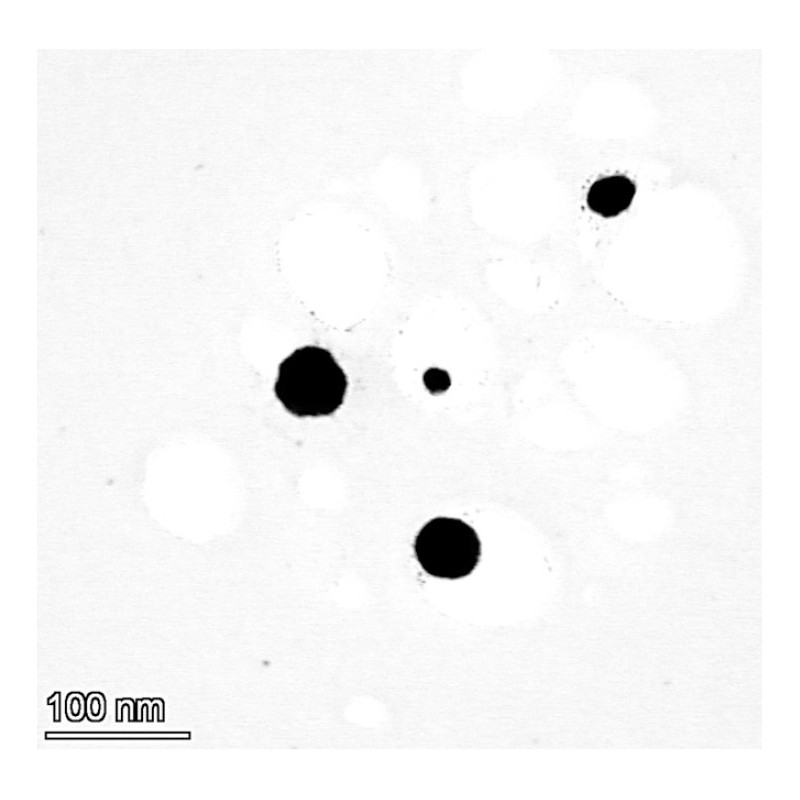
Indian researchers and professionals are at the forefront of this charge. The Government of India’s Nano Mission has been a powerful catalyst, fostering a vibrant ecosystem of innovation. This national focus, combined with the ingenuity of our scientific community, is paving the way for homegrown nanotech innovations that are both cutting-edge and cost-effective. The core of this progress lies in understanding and harnessing the unique properties of nanoparticles—materials less than 100 nanometers in size that behave in remarkably different ways than their larger counterparts. These tiny particles are becoming the building blocks of the next generation of medical tools, heralding a future where complex diseases are managed with unparalleled precision.
Why Nanomaterials are a Game-Changer for Indian Researchers
For scientists and researchers in India, working with nanomaterials opens up a universe of possibilities. It’s not just about incremental improvements; it’s about creating entirely new paradigms in medical science. Here are some of the key benefits:
- Targeted Drug Delivery: Nanoparticles can be engineered to act like "smart bombs," delivering potent drugs directly to cancer cells or infected tissues, drastically reducing side effects and improving treatment efficacy. This is a cornerstone of modern nano healthcare.
- Enhanced Diagnostic Sensitivity: Quantum dots and magnetic nanoparticles can be used as contrast agents in imaging (like MRI) or as biomarkers, allowing for the detection of diseases at their earliest stages, often at the single-cell level.
- Breakthroughs in Regenerative Medicine: Nanofibrous scaffolds can mimic the body's extracellular matrix, providing a framework for regenerating damaged tissues and organs—a revolutionary step in treating injuries and degenerative diseases.
- Novel Antimicrobial Solutions: With antibiotic resistance becoming a global crisis, nanoparticles of silver and copper offer a powerful alternative. Their application in coatings for medical devices and wound dressings is a key area of nanoparticles applications.
- High Potential for Patents and Publications: The novelty and rapid evolution of nanotechnology mean that research in this field has a high potential for leading to impactful publications and valuable patents, boosting the profiles of Indian researchers and institutions on the global stage.
Transforming Industries: Key Applications of Nanotechnology
Advanced Cancer Therapy
Perhaps the most celebrated application of nanotechnology in medicine is in oncology. Nanocarriers, such as liposomes and polymeric nanoparticles, are designed to encapsulate chemotherapy drugs. These nanocarriers can be functionalized with ligands that specifically bind to receptors overexpressed on tumor cells. This targeted approach ensures that the toxic payload is delivered primarily to the cancerous tissue, sparing healthy cells and significantly mitigating the debilitating side effects of conventional chemotherapy. This is a prime example of nanotech innovations at work.
Medical Imaging and Diagnostics
Early and accurate diagnosis is critical for effective treatment. Nanoparticles are revolutionizing medical imaging by acting as superior contrast agents. For instance, superparamagnetic iron oxide nanoparticles (SPIONs) enhance the resolution of MRI scans, making it possible to visualize smaller tumors or more subtle signs of disease. Similarly, fluorescent quantum dots can be used in cellular imaging to track biological processes in real-time, offering invaluable insights into disease mechanisms.
Antimicrobial Coatings and Surfaces
Hospital-acquired infections (HAIs) are a major concern in healthcare settings. Silver and copper nanoparticles are renowned for their potent antimicrobial properties. By incorporating these nanomaterials into coatings for catheters, surgical instruments, and even hospital textiles, we can create surfaces that actively kill bacteria and viruses on contact. This proactive approach to infection control is a simple yet highly effective application of nano materials.
Tissue Engineering and Regeneration
Nanoengineering is making the regeneration of human tissue a tangible reality. Scientists are using techniques like electrospinning to create scaffolds from nanofibers that mimic the natural structure of tissue. These scaffolds can be seeded with a patient's own cells and then implanted to regenerate bone, cartilage, skin, and even nerve tissue. This approach avoids immune rejection and offers hope for treating a wide range of degenerative conditions and injuries.
Opportunities and Trends: The Indian Nanotech Landscape
The journey of nanomaterials in healthcare within India is marked by unique opportunities and challenges. The "Make in India" initiative provides a fertile ground for developing indigenous nanotechnology products, reducing dependency on imports and making advanced healthcare more accessible. Research hubs in Bengaluru, Pune, Delhi, and Hyderabad are buzzing with activity, focusing on creating solutions tailored to India's specific health needs, such as affordable diagnostic kits for endemic diseases.
A key trend is the focus on green synthesis of nanoparticles, using plant extracts and microorganisms to create nanomaterials. This approach is not only environmentally friendly but also cost-effective, aligning perfectly with India’s goal of sustainable development. Furthermore, significant research is being directed towards nanomaterials safety. Indian regulatory bodies are working to establish clear guidelines for the clinical use of nanomedicines, ensuring that these powerful new technologies are deployed responsibly. The synergy between academia, industry, and government is creating a powerful momentum, positioning India as a future leader in the global nano healthcare market.
Frequently Asked Questions
Nanomaterials are chemical substances or materials with particle sizes ranging from 1 to 100 nanometers in at least one dimension. Due to their small size, they exhibit unique physical, chemical, and biological properties compared to their larger counterparts, making them highly valuable in fields like medicine, electronics, and materials science.
In medicine, nanotechnology has groundbreaking applications such as targeted drug delivery, where nanoparticles transport drugs directly to diseased cells (like cancer), minimizing side effects. It is also used in advanced diagnostics for early disease detection, medical imaging for higher resolution scans, and in creating antimicrobial coatings for medical devices to prevent infections.
The safety of nanoparticles is a critical area of research. Most nanomaterials developed for medical applications are designed to be biocompatible and biodegradable, meaning they can be safely absorbed or expelled by the body after completing their function. Extensive research and regulatory oversight, particularly in India by agencies like the Central Drugs Standard Control Organisation (CDSCO), ensure that nanomedicines are safe and effective before they are approved for human use.
India is witnessing significant advancements in nano healthcare, driven by initiatives like the Nano Mission. Key developments include creating nanocarriers for cancer therapy, developing nano-based diagnostic kits for diseases like tuberculosis and malaria, and using antimicrobial nanoparticles in wound dressings and medical implants. Indian research institutions are at the forefront of innovating cost-effective nanotech solutions for public health challenges.