An Introduction to Nanocatalysis: The Next Frontier for Indian R&D
The field of **catalysis** is the bedrock of modern chemical industries, underpinning everything from pharmaceutical production to petroleum refining. In India, a nation rapidly expanding its industrial and technological footprint, the quest for more efficient, selective, and sustainable catalytic processes has never been more critical. This is where **nanomaterials** enter the picture, heralding a paradigm shift known as nanocatalysis. By shrinking the catalyst size to the nanoscale (typically 1-100 nanometers), we unlock a world of enhanced properties. The dramatic increase in surface-area-to-volume ratio means more active sites are available for chemical reactions, leading to unprecedented efficiency.
For Indian researchers and professionals, understanding and harnessing the power of **metallic nanoparticles** and **nanostructured catalysts** is not just an academic exercise; it's a strategic imperative. These advanced materials offer solutions to some of India's most pressing challenges: developing greener chemical pathways, improving energy efficiency, and creating novel materials for high-tech applications. The **nanoparticle synthesis** process itself has become a sophisticated science, with methods like chemical reduction, sol-gel, and green synthesis allowing precise control over particle size, shape, and composition. This guide delves into the core concepts of **nanomaterials for catalysis**, exploring the benefits, applications, and opportunities specifically relevant to the Indian research and development landscape. Whether you are seeking a 'nanomaterials for catalysis research grant' or aiming to implement nanotechnology applications in your industry, this resource will provide a comprehensive overview.
Why Should Indian Researchers Focus on Nanostructured Catalysts?
The shift towards nanostructured catalysts offers tangible advantages that align perfectly with India's scientific and industrial goals. For researchers, mastering this domain opens doors to high-impact publications, patents, and significant research grants.
-
Enhanced Catalytic Activity & Selectivity
The high surface area of **metallic nanoparticles** provides a greater number of active sites, drastically increasing reaction rates. Furthermore, the unique quantum size effects and surface faceting allow for fine-tuning of selectivity towards desired products, minimizing waste.
-
Sustainability and Green Chemistry
Nanocatalysts often operate under milder conditions (lower temperature and pressure), reducing energy consumption. Their high efficiency means less catalyst is needed, and the potential for reusability in **heterogeneous catalysis** aligns perfectly with the principles of green chemistry—a key focus area for Indian industry.
-
Economic Viability
While precious metals like platinum and palladium are excellent catalysts, using them as **metal nanomaterials** significantly reduces the amount required, making processes more cost-effective. This is crucial for cost-sensitive markets and enables the use of high-performance materials in widespread applications.
Key Applications of Nanomaterials in Catalysis
Environmental Remediation
**Nanoparticle synthesis** techniques are creating powerful agents for environmental cleanup. For instance, iron oxide nanoparticles are used to remediate contaminated groundwater, while TiO2 nanocatalysts are employed in photocatalysis to break down organic pollutants in industrial wastewater—a major concern in India's industrial hubs.
Energy Sector
**Catalysis in nanomaterials** is vital for the energy transition. Platinum nanoparticles are key components in fuel cells for efficient energy conversion. Furthermore, nanostructured catalysts are being developed for more efficient biofuel production and for splitting water to produce hydrogen, supporting India's National Hydrogen Mission.
Pharmaceutical & Fine Chemicals
The synthesis of complex pharmaceutical ingredients often requires highly selective catalysts. **Metallic nanoparticles**, particularly those of palladium and gold, are used extensively in cross-coupling reactions (e.g., Suzuki, Heck) to build complex molecular architectures with high yields, which is critical for India's world-leading pharmaceutical industry.
Opportunities and Future Trends for Nanocatalysis in India
The landscape for **nanotechnology applications** in India is fertile and full of opportunity. The government's strong push through initiatives like 'Make in India' and the National Mission on Nanoscience and Nanotechnology (Nano Mission) provides a robust framework for R&D funding. Researchers aiming to secure a **nanomaterials for catalysis research grant** should align their proposals with these national priorities. The focus is shifting from fundamental research to application-driven innovation that can be scaled up for industrial use.
One of the most significant trends is the development of multi-metallic or bimetallic nanoparticles. By combining two or more metals (e.g., Au-Pd, Pt-Ru), researchers can create synergistic effects, leading to catalysts that are more active, stable, and resistant to poisoning than their monometallic counterparts. Proper **nanoparticle characterization** using techniques like TEM, SEM, XRD, and XPS is crucial to understanding these complex systems and is a key skill for researchers in this field.
Another burgeoning area is 'single-atom catalysis,' where individual metal atoms are dispersed on a support material. This represents the ultimate in atom efficiency and offers a pathway to designing highly selective catalysts with minimal use of precious metals. For India, this means a more sustainable and economically viable approach to catalysis. As **nanofabrication techniques** become more advanced, the ability to design and produce these sophisticated **nanostructured catalysts** will be a key differentiator for leading research groups and industries.
Recommended Nanomaterials for Your Research
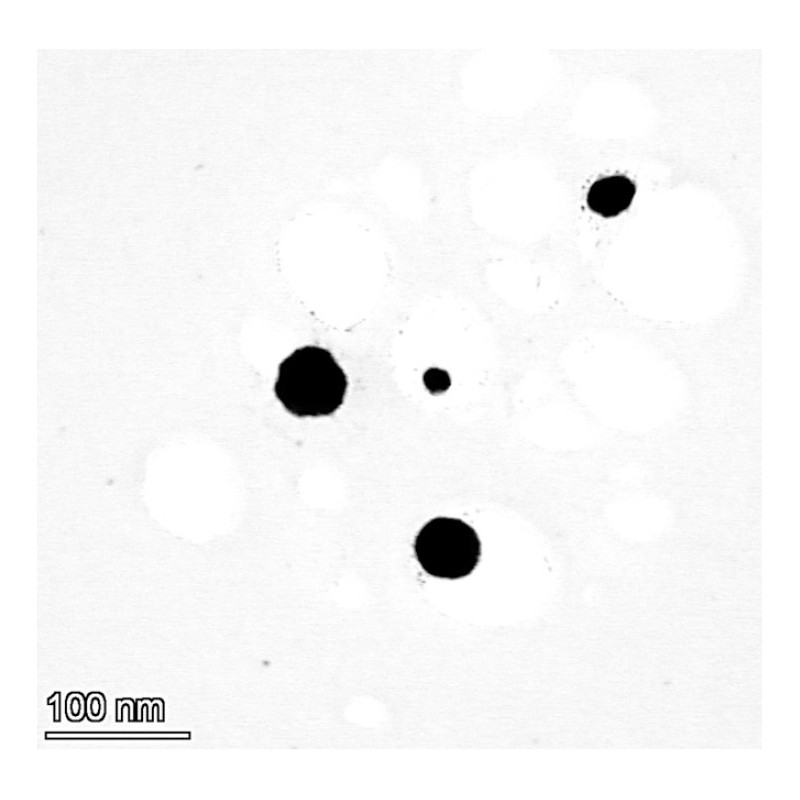
Copper nanoparticles aqueous dispersion 70nm (3wt% and 10wt%)
View Product
Silver Nanoparticles, Colloidal Solution in Water
View Product
Platinum Nanoparticles, Hydrophilic
View Product
Micron Copper Powder
View ProductFrequently Asked Questions (FAQ)
Gold (Au), Platinum (Pt), Palladium (Pd), and Silver (Ag) nanoparticles are highly promising due to their unique electronic properties and high surface area, making them excellent for various catalytic reactions, including oxidation, reduction, and carbon-carbon coupling.
To secure a 'nanomaterials for catalysis research grant,' focus on proposals that align with national missions like 'Make in India' or 'Clean Energy.' Highlight the novelty, industrial applicability, and potential environmental benefits. Collaborate with established institutions and clearly outline your 'nanoparticle synthesis' and 'nanoparticle characterization' methodologies.
In homogeneous catalysis, the catalyst (nanoparticles) is in the same phase as the reactants. In heterogeneous catalysis, the nanostructured catalysts are in a different phase (usually solid) from the reactants (liquid or gas). Heterogeneous catalysis is often preferred in industrial applications for its ease of separation and catalyst reusability.
Yes, nanotoxicology is a critical consideration. Researchers must use proper personal protective equipment (PPE), work in well-ventilated areas or fume hoods, and follow established protocols for handling and disposal to mitigate risks associated with inhalation or skin contact.
Ready to Advance Your Research?
Access high-purity nanomaterials and expert support for your catalysis projects. Explore our extensive catalog or contact us for custom requirements.
Get in Touch