Revitalizing India's Soil: The Nanotechnology Revolution
India, a nation with a rich agricultural heritage and a rapidly expanding industrial sector, faces a critical environmental challenge: soil contamination. Decades of industrial activity, intensive agriculture, and improper waste disposal have left vast tracts of land laden with heavy metals, pesticides, and other toxic pollutants. These contaminants not only degrade soil health and reduce agricultural productivity but also pose significant risks to human health by entering the food chain. Traditional remediation methods, while effective to an extent, are often costly, labor-intensive, and environmentally disruptive. This is where a groundbreaking science, environmental nanotechnology, enters the picture, offering a beacon of hope.
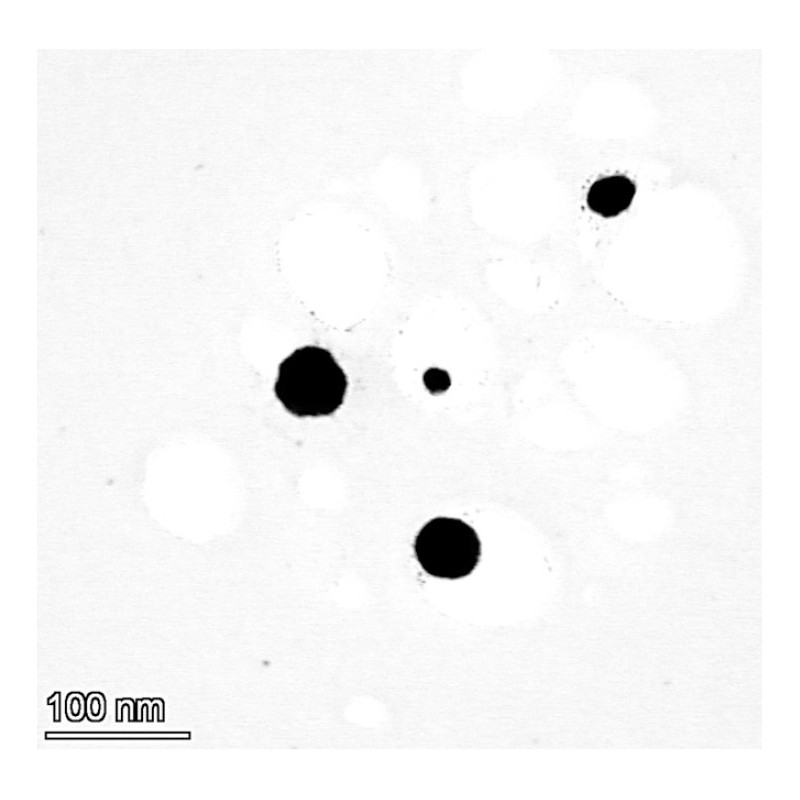
The application of nanomaterials for soil remediation represents a paradigm shift in how we approach environmental cleanup. This field leverages the unique properties of nanoparticles—materials engineered at the atomic and molecular scale (typically below 100 nanometers)—to target and neutralize contaminants with unprecedented precision and efficiency. Due to their minuscule size, nanoparticles possess an incredibly large surface-area-to-volume ratio, making them highly reactive and potent agents for environmental detoxification. For Indian researchers, scientists, and environmental professionals, understanding and harnessing the power of nano soil treatment is not just an academic pursuit; it's a national imperative. This technology holds the key to restoring our precious land resources, ensuring food security, and building a more sustainable industrial future.
Key Benefits for Researchers and Industry
- Enhanced Reactivity: The large surface area of nanoparticles allows for more frequent and efficient contact with contaminants, accelerating degradation and detoxification processes.
- In-Situ Application: Many nano soil treatment techniques can be applied directly to the contaminated site (in-situ), eliminating the need for costly and disruptive soil excavation and transportation.
- Targeted Action: Nanomaterials can be functionalized or 'tuned' to selectively target specific pollutants, such as heavy metals like arsenic and lead, or organic compounds like pesticides, increasing efficiency and reducing side effects.
- Greater Accessibility: Nanoparticles can penetrate deep into soil pores and clays that are inaccessible to larger particles or conventional treatment fluids, ensuring a more thorough cleanup.
- Cost-Effectiveness: While the initial cost of some metal nanomaterials can be high, the overall project cost is often lower due to reduced labor, faster treatment times, and lower material quantities required.
- Potential for Green Synthesis: A growing focus in Indian R&D is the 'green' synthesis of nanoparticles using plant extracts, which reduces the environmental footprint of the remediation process itself.
Core Applications in Soil Contaminant Remediation
Remediation of Heavy Metals
Zero-Valent Iron nanoparticles (nZVI) are a workhorse in this area. They act as powerful reducing agents, converting toxic and mobile heavy metal ions (like hexavalent chromium, arsenic, and lead) into less toxic, immobile forms, effectively locking them in place. This is a critical nanotech application for industrial sites in India.
Degradation of Organic Pollutants
Photocatalytic nanoparticles, such as Titanium Dioxide (TiO2), can break down persistent organic pollutants (POPs) like pesticides and herbicides when exposed to UV light. This process mineralizes harmful organic molecules into harmless substances like CO2 and water, a vital tool for agricultural land restoration.
Treatment of Chlorinated Solvents
Bimetallic nanoparticles, such as palladium-coated iron (Pd/Fe), show enhanced reactivity and longevity in degrading chlorinated solvents found in groundwater and soil. This is a key area of nanomaterials for soil remediation projects India is keenly exploring for its industrial corridors.
India-Specific Trends and Opportunities
The landscape for environmental nanotechnology in India is buzzing with potential. The Indian government's focus on flagship programs like 'Swachh Bharat Abhiyan' (Clean India Mission) and 'Namami Gange' (National Mission for Clean Ganga) creates a fertile ground for innovative environmental solutions. Research institutions, including the IITs, CSIR laboratories, and various universities, are at the forefront of developing novel nanomaterials tailored for Indian conditions. There is a significant push towards cost-effective and sustainable methods, particularly the biosynthesis of nanoparticles from local flora.
For researchers and startups, this translates into immense opportunities. There is a growing demand for scalable nano soil treatment solutions that can be deployed in real-world scenarios, from contaminated industrial zones to agricultural fields overexposed to pesticides. The market for metal nanomaterials and other nanoparticles is expanding, driven by both research needs and pilot-scale industrial projects. Collaborations between academia and industry are crucial to bridge the gap between lab-scale success and commercial viability. Professionals skilled in nanotechnology, environmental science, and toxicology are in high demand to lead these pioneering nanomaterials for soil remediation projects in India, shaping a cleaner and more prosperous future for the nation.
Recommended Nanomaterials for Your Research


Frequently Asked Questions
Ready to Advance Your Research?
Access high-purity nanomaterials and expert support for your soil remediation projects. Let's innovate together for a cleaner environment.
Get in Touch