Powering Tomorrow: The Nanotechnology-Fuel Cell Synergy in India
As India charts an ambitious course towards energy independence and a sustainable future, the convergence of nanotechnology research and fuel cell technology emerges as a critical frontier. Fuel cells, which convert chemical energy into electricity with remarkable efficiency and minimal environmental impact, have long been hailed as a cornerstone of the clean energy economy. However, their widespread adoption has been hampered by challenges related to cost, durability, and performance. This is where nanomaterials enter the picture, offering transformative solutions that promise to unlock the full potential of fuel cells.
At its core, nanotechnology involves manipulating matter on an atomic and molecular scale. When applied to fuel cell materials, this precision engineering leads to catalysts, membranes, and electrodes with vastly superior properties. Materials like metal nanoparticles, carbon nanomaterials, and custom-designed nano composites exhibit an incredibly high surface-area-to-volume ratio. This single property dramatically enhances the electrochemical reactions within a fuel cell, boosting its power output and efficiency. For Indian researchers and professionals in the R&D sector, this field represents not just a scientific challenge but a monumental opportunity. By pioneering new nanotech applications, they can contribute directly to India's 'Make in India' and 'Atmanirbhar Bharat' missions, creating homegrown solutions for energy security. The pursuit of nanotechnology grants becomes a vital step in this journey, enabling the fundamental research that underpins these technological breakthroughs.
Why Should Indian Researchers Focus on Nanomaterials for Fuel Cells?
For scientists and engineers in India, this domain is a fertile ground for innovation and career advancement. Engaging in nanomaterials for fuel cells research offers a multitude of benefits:
- Access to Priority Funding: The Indian government, through agencies like the DST and MNRE, has earmarked significant funds for clean energy research. Projects focusing on nanotechnology grants and fuel cell technology are often given high priority, increasing the likelihood of securing financial support.
- High-Impact Publications: This interdisciplinary field is at the cutting edge of materials science and energy research, leading to opportunities for publications in high-impact journals and establishing a strong academic profile.
- Solving National Challenges: Research in this area directly addresses critical national issues like energy security, air pollution, and climate change, providing a profound sense of purpose and societal contribution.
- Industry Collaboration and Commercialization: The demand for efficient energy solutions is creating strong pathways for collaboration with industries in the automotive, power, and electronics sectors, opening doors for technology transfer and commercialization.
- Global Recognition: Indian researchers contributing to this field become part of a global community working towards a sustainable future, fostering international collaborations and recognition.
Key Industry Applications: Where Nanomaterials Make a Difference
Automotive and Transportation
The most prominent application of fuel cell technology is in Fuel Cell Electric Vehicles (FCEVs). Nanomaterials like platinum-alloy nanoparticles act as super-efficient catalysts, reducing the amount of expensive platinum needed and making FCEVs more commercially viable. Carbon nanomaterials provide durable, lightweight support structures, enhancing the longevity of the fuel cell stack. This is a key area of nanotechnology research for a cleaner public and private transport system in India.
Stationary Power Generation
Fuel cells offer a reliable and clean source of power for residential, commercial, and industrial applications. Nano composites and ceramic nanomaterials are being developed for Solid Oxide Fuel Cells (SOFCs), which can operate with various fuels. These nanotech applications are crucial for creating decentralized power grids, providing electricity to remote areas in India, and ensuring power backup for critical infrastructure like hospitals and data centers.
Portable Electronics
Miniaturized fuel cells powered by methanol or hydrogen can serve as long-lasting power sources for laptops, smartphones, and military equipment. The efficiency of these devices hinges on advanced fuel cell materials, particularly nano-structured electrodes and proton-exchange membranes. Research into metal nanoparticles like silver and copper is paving the way for more compact and powerful portable energy solutions.
Aerospace and Defense
The high energy density of fuel cells makes them ideal for aerospace applications, including unmanned aerial vehicles (UAVs) and auxiliary power units (APUs) in aircraft. Nanomaterials research focuses on creating lightweight yet robust components that can withstand extreme conditions, a critical requirement for India's strategic defense and space exploration programs.
Riding the Wave: India-Specific Trends and Grant Opportunities
The landscape for nanotechnology research in India is vibrant and brimming with potential. The government's National Green Hydrogen Mission is a powerful catalyst, aiming to make India a global hub for green hydrogen production and export. This mission inherently relies on advancements in electrolyzers and fuel cells—both of which are heavily dependent on superior fuel cell materials derived from nanotechnology.
Indian researchers should actively monitor calls for proposals from the Science and Engineering Research Board (SERB), a statutory body under the DST. SERB frequently announces schemes that support high-risk, high-reward research, a category under which many innovative nanomaterials for fuel cells research grants fall. Furthermore, the Council of Scientific & Industrial Research (CSIR) operates a network of laboratories, such as the National Chemical Laboratory (NCL) and the Central Electrochemical Research Institute (CECRI), which are epicenters of material science and electrochemistry research. Collaborating with these institutions can provide access to state-of-the-art facilities and mentorship.
A significant trend is the move towards non-precious metal catalysts. While platinum is highly effective, its cost is a major barrier. Indian researchers are making strides in developing catalysts based on more abundant and affordable materials like iron, cobalt, and nitrogen-doped carbon nanomaterials. Success in this area would be a game-changer, drastically reducing the cost of fuel cells and accelerating their adoption. Securing a nanotechnology grant to explore these alternative nano metals and nano composites is a strategic move for any research group aiming to make a tangible impact.
Essential Materials for Your Research
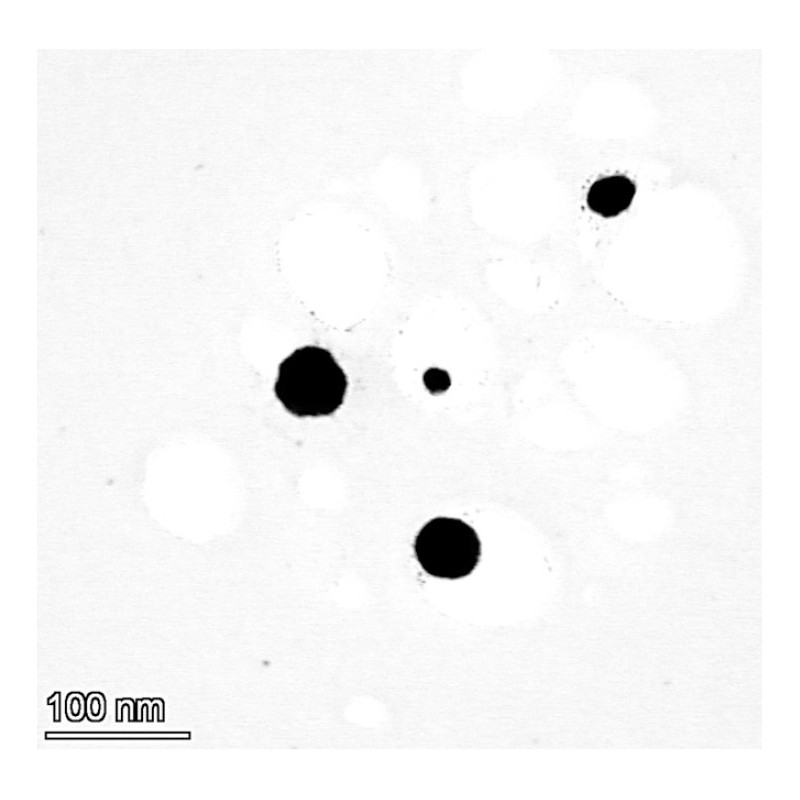
Copper nanoparticles aqueous dispersion 70nm (3wt% and 10wt%)
View Product →
Silver Nanoparticles, Colloidal Solution in Water
View Product →
Platinum Nanoparticles, Hydrophilic
View Product →
Micron Copper Powder
View Product →Frequently Asked Questions
Ready to Advance Your Research?
Access high-purity nanomaterials and fuel cell components to accelerate your next breakthrough. Explore our comprehensive catalog or contact our experts for custom requirements.
Browse Products