
Introduction: The Nanoscale Revolution in India's Energy Landscape
India stands at a critical juncture. With a booming economy and a population of over 1.4 billion, the nation's energy demand is skyrocketing. To meet this demand sustainably, India has set ambitious goals, including achieving 500 GW of non-fossil fuel energy capacity by 2030. While conventional renewable sources like solar and wind are the pillars of this strategy, their full potential is often capped by material and efficiency limitations. This is where a paradigm shift is occurring, driven by a field that operates on the smallest of scales: Nanotechnology in Energy.
Nano Energy is not just a futuristic buzzword; it's a tangible, rapidly evolving science that offers solutions to some of the most pressing challenges in the energy sector. By manipulating materials at the atomic and molecular level, Indian researchers and scientists are unlocking properties that are impossible with bulk materials. This burgeoning field of Renewable Nanotechnology is enabling the creation of more efficient solar cells, higher-capacity batteries, and powerful catalysts, directly contributing to India's goals of energy independence and environmental stewardship. For researchers in India, this opens up a universe of possibilities, transforming laboratories into the epicenters of a global clean energy revolution.
Unlocking New Frontiers: Benefits for Indian Researchers
The advent of Sustainable Nanomaterials provides Indian researchers with a powerful toolkit to redefine the boundaries of energy science. The benefits are profound, creating a fertile ground for innovation and discovery:
- Enhanced Material Performance: Nanoparticles exhibit unique quantum and surface effects. For instance, using quantum dots in solar cells allows for the absorption of a wider spectrum of light, dramatically increasing efficiency beyond the Shockley-Queisser limit of conventional silicon cells.
- Catalyzing Cost-Effective Solutions: India has a strategic focus on affordable innovation. Nanotechnology allows for the use of earth-abundant elements to create high-performance materials. Researchers can develop catalysts from materials like copper or nickel nanoparticles, offering a cost-effective alternative to expensive noble metals like platinum in fuel cells and electrolyzers.
- Pioneering Energy Storage: The bottleneck for renewable energy is often storage. Nanomaterials are at the heart of next-generation batteries and supercapacitors. Researchers can engineer nanostructured electrodes (e.g., graphene foams or silicon nanowires) that offer significantly higher surface area, leading to faster charging and greater energy density.
- Driving 'Make in India' with Green Nanomaterials: There is a growing emphasis on green synthesis routes for nanomaterials, using plant extracts or microorganisms. This aligns perfectly with India's 'Make in India' initiative, enabling domestic, environmentally friendly production of high-tech materials and reducing reliance on imports.
Key Applications of Nanotechnology in Energy
Advanced Photovoltaics
Nanomaterials for renewable energy resources are transforming solar technology. Plasmonic nanoparticles, like those of silver and gold, are integrated into solar cells to trap light and enhance absorption. Self-cleaning and anti-reflective Nano Coatings based on titanium dioxide (TiO2) ensure that solar panels operate at peak efficiency by repelling dust and minimizing light loss—a critical advantage in India's diverse climates.
Revolutionizing Energy Storage
The performance of batteries and supercapacitors is being redefined by nanotechnology. Graphene and carbon nanotubes create lightweight, highly conductive electrodes for supercapacitors. In lithium-ion batteries, replacing graphite anodes with silicon nanoparticles can theoretically increase capacity tenfold. These Nano Renewable Solutions are key to supporting a stable grid powered by intermittent renewables.
Efficient Fuel Cells & Hydrogen Generation
Hydrogen is the clean fuel of the future, and nanotechnology is crucial for its production and use. Metal Nanoparticles, especially platinum, are highly effective catalysts for water splitting (electrolysis) to produce green hydrogen. Researchers are actively developing catalysts from less expensive nanomaterials to make hydrogen technology economically viable for mass adoption in India.
Waste Heat to Energy
A significant amount of energy is lost as waste heat in industrial processes and automobiles. Smart Nanomaterials with thermoelectric properties can convert this waste heat directly into useful electricity. Nanostructuring materials like bismuth telluride enhances their thermoelectric figure of merit (ZT), opening up a new and significant avenue for energy conservation and generation.
The Indian Context: Trends and Opportunities in Nano Energy
The landscape for Nano Energy in India is more vibrant than ever, propelled by strategic government initiatives and a robust academic ecosystem. The National Green Hydrogen Mission, for instance, heavily relies on advancements in catalysis and electrolysis, areas where Green Nanomaterials are set to play a pivotal role. The push for electric mobility under the FAME (Faster Adoption and Manufacturing of Electric Vehicles) scheme is directly fueling R&D in advanced battery chemistry, where nanotechnology offers the most promising path to increased range and reduced charging times.
Institutions like the Indian Institutes of Technology (IITs), the Indian Institute of Science (IISc), and various CSIR laboratories are at the forefront of this research. They are not just publishing high-impact papers but are also increasingly focused on technology transfer and incubation, turning lab-scale discoveries into commercially viable products. This synergy between academia and industry is creating immense opportunities for young researchers and entrepreneurs. The demand for high-purity, specialized nanomaterials is growing, creating a market for Indian manufacturers to develop and supply these critical components, furthering the 'Atmanirbhar Bharat' (self-reliant India) vision. The field of Renewable Nanotechnology is, therefore, not just a scientific pursuit but a cornerstone of India's economic and environmental strategy for the 21st century.
Featured Nanomaterials for Energy Research

Silver Nanoparticles, Colloidal Solution
View Product →
Platinum Nanoparticles, Hydrophilic
View Product →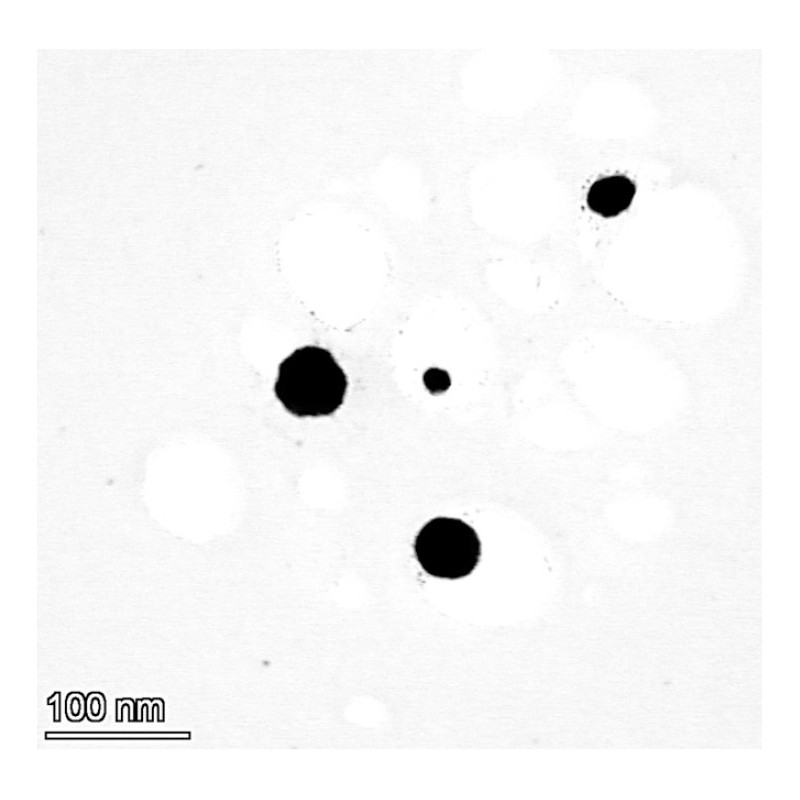
Copper Nanoparticles Aqueous Dispersion
View Product →
High Purity Germanium Nano Particles
View Product →Advance Your Research in Nano Energy
Ready to accelerate your next breakthrough? Explore our extensive catalog of high-purity, research-grade nanomaterials designed for energy applications.
Explore Hiyka Products