The Nanotech Revolution in Your Makeup Bag
In the bustling innovation landscape of India, where tradition and technology converge, a silent revolution is taking place. This revolution isn't happening in sprawling factories but in the minuscule, invisible world of nanotechnology. Specifically, the application of **nanomaterials for cosmetics** is setting a new benchmark for quality, efficacy, and user experience in the beauty industry. For Indian researchers, scientists, and manufacturers, this represents a monumental leap forward, promising a future where beauty products are not just superficial enhancers but sophisticated, science-backed treatments.
At the heart of this transformation are materials engineered at the nanoscale—particles so small they are measured in billionths of a meter. This includes a diverse range of substances, from inorganic **metallic nanoparticles** like nano gold and silver to organic compounds and, significantly, **clay nanoparticles**. These are not your average ingredients. By manipulating matter at this scale, scientists can unlock unique properties: enhanced UV protection, deeper ingredient penetration, longer-lasting effects, and unparalleled textures. This article delves into the world of **nanotechnology in beauty products**, exploring its profound benefits, diverse applications, and the burgeoning opportunities it presents for the Indian R&D and industrial sectors.
Why Nanomaterials? The Researcher's Edge in Cosmetics
For researchers in India, working with nanomaterials opens up a new frontier of product development. The shift from macro-ingredients to nano-ingredients provides a distinct competitive advantage. Here’s why this technology is a game-changer:
-
Enhanced Bioavailability and Efficacy
Nanoparticles have a much larger surface area-to-volume ratio compared to their larger counterparts. This allows active ingredients in **nano-enabled cosmetics** to be delivered more effectively to the skin. For instance, vitamins and antioxidants encapsulated in nanosystems can penetrate deeper skin layers, providing targeted action and significantly better results than conventional formulations.
-
Superior UV Protection
One of the first commercial successes of **nanotechnology in beauty products** was in sunscreens. Mineral blockers like zinc oxide and titanium dioxide, when reduced to nanoparticles, provide broad-spectrum UV protection without leaving the thick, white cast associated with older formulas. They offer a transparent, lightweight finish, a highly desirable trait for the Indian consumer.
-
Improved Aesthetics and Texture
**Cosmetic clay applications** at the nanoscale are revolutionizing product texture. Nanoclays can create silky-smooth, non-greasy emulsions. They can be used to control viscosity, suspend pigments, and provide a soft-focus, matte effect in foundations and powders. This level of sensory refinement was previously difficult to achieve.
-
Longer Shelf Life and Stability
Nanoparticles can also enhance product stability. For example, **nano silver** is known for its antimicrobial properties, which can help preserve cosmetic products naturally, reducing the need for traditional preservatives. Similarly, **nano coatings** can protect sensitive active ingredients from degradation by light and air, extending the product's shelf life and potency.
From Lab to Luxury: Industry Applications
Anti-Aging and Skin Repair
The quest for eternal youth is a primary driver in the cosmetics market. Here, **metallic nanoparticles** like **nano gold** and platinum are making waves. Colloidal gold is believed to have anti-inflammatory properties and can act as a carrier for other active ingredients, enhancing their anti-aging effects. These **nanometals in cosmetics** are the cornerstone of many luxury skincare lines, promising cellular rejuvenation and improved skin elasticity.
Advanced Sun Care
As mentioned, **nanoparticles** of zinc oxide and titanium dioxide have transformed sunscreens. The **nanotech in manufacturing** allows for the creation of transparent mineral sunscreens that offer high SPF protection without compromising on aesthetics. This is particularly relevant for the diverse skin tones in India, where a non-whitening formula is highly preferred.
Makeup and Color Cosmetics
**Clay nanoparticles** and silica nanoparticles are pivotal in modern makeup. They are used in foundations, primers, and powders to absorb excess oil, minimize the appearance of pores, and provide a long-lasting matte finish. The use of these **nanostructured materials** ensures that makeup feels lightweight and comfortable while providing excellent coverage and wear-time.
Innovative Hair Care
Nanotechnology is also revitalizing hair care. Nano-keratin and other protein nanoparticles can penetrate the hair shaft to repair damage from within. **Nano coatings** using materials like sericin (a silk protein) can form a protective film around the hair, providing shine, smoothness, and protection from heat and environmental stressors. This represents a significant advancement in treating damaged hair.
The Indian Horizon: Trends and Opportunities
The Indian cosmetic market is one of the fastest-growing in the world, with consumers who are increasingly knowledgeable and demanding of high-performance products. This creates a fertile ground for **nano-enabled cosmetics**. For Indian researchers and businesses, the opportunity lies in leveraging **nano materials for industry** to cater to this specific market demand. Key trends include a rising interest in "cosmeceuticals"—products that bridge the gap between cosmetics and pharmaceuticals—where nanotechnology excels.
Furthermore, there is a strong push for local manufacturing and R&D under the "Make in India" initiative. Companies that invest in **nanomaterials clays for cosmetics production** and other advanced materials can position themselves as leaders in this new era of beauty. The development of cost-effective, scalable production methods for **nanoparticles** will be crucial. Collaborations between academic research institutions and industrial players can accelerate this process, leading to innovative, locally relevant products that can compete on a global scale. The future of beauty is small, and for India, it's incredibly bright.
Frequently Asked Questions
Nanomaterials in cosmetics are tiny particles, typically between 1 and 100 nanometers in size, that are used to improve product efficacy. They can act as UV filters, delivery systems, or texture enhancers. Common examples include nano zinc oxide, nano gold, and clay nanoparticles.
The safety of nano-enabled cosmetics is a subject of ongoing research and regulation. Most studies indicate that when used in formulations, nanoparticles like titanium dioxide and zinc oxide do not penetrate healthy skin, making them safe for topical application. Regulatory bodies in India and globally have strict guidelines for their use.
Nanotechnology is a key driver of innovation in the Indian beauty industry. It allows for the creation of high-performance products like long-lasting sunscreens, potent anti-aging serums, and cosmetics with superior texture and color payoff, catering to the sophisticated demands of the modern Indian consumer.
Clay nanoparticles are used in cosmetics for their excellent absorbent, texturizing, and stabilizing properties. They can control oil, provide a smooth matte finish in foundations, and stabilize emulsions in creams and lotions, leading to more stable and effective cosmetic clay applications.
Related Nanomaterials for Your Research
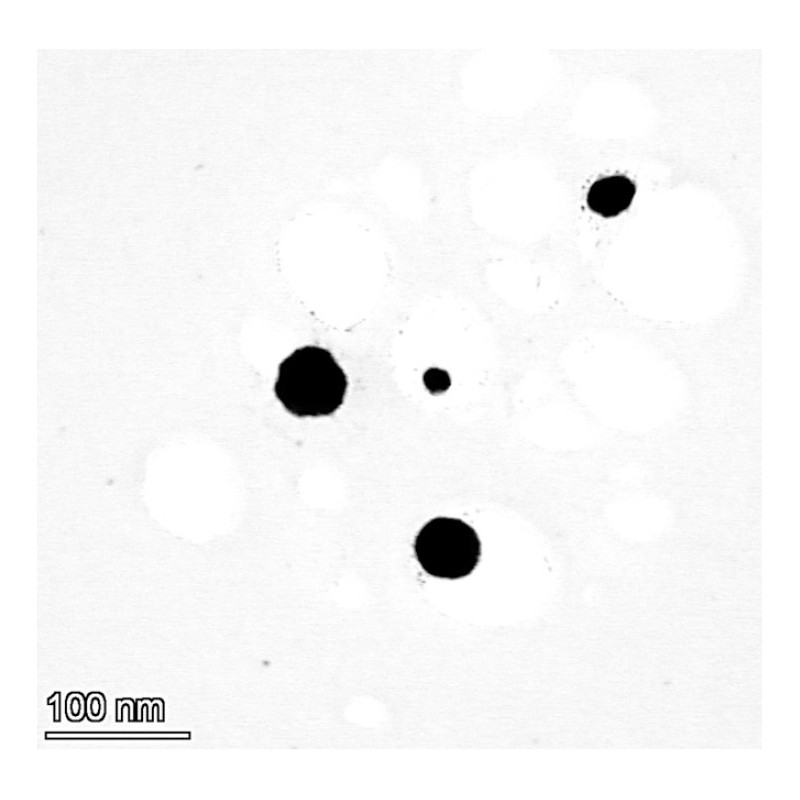
Copper nanoparticles aqueous dispersion 70nm (3wt% and 10wt%)
View Product
Silver Nanoparticles, Colloidal Solution in Water
View Product
Platinum Nanoparticles, Hydrophilic
View Product
Micron Copper Powder
View ProductReady to Innovate with Nanotechnology?
Advance your research and product development with high-purity nanomaterials. Contact our experts to discuss your specific needs.
Contact Us