A Paradigm Shift in Oncology: The Rise of Nanomedicine
The global fight against cancer is relentless, and in a nation as vast and diverse as India, the challenge is magnified. Traditional treatments like chemotherapy and radiation, while effective, often come with debilitating side effects due to their lack of specificity. This is where nanomedicine emerges as a beacon of hope. By operating at the atomic and molecular levels, nanotechnology offers unprecedented precision in medical treatments. At the forefront of this revolution are magnetic nanoparticles (MNPs), particularly in their application for hyperthermia treatment—a technique that uses heat to destroy cancer cells.
For Indian researchers, scientists, and clinicians, the field of nanoengineering presents a monumental opportunity. It's a chance to leapfrog conventional therapeutic limitations and develop solutions that are not only more effective but also potentially more affordable and accessible. This article delves into the core of this technology, exploring the synthesis of these incredible nanomaterials, their mechanism in cancer therapy, and the burgeoning landscape of nanotechnology research and application within India.
Why Should Indian Researchers Focus on Magnetic Nanoparticles?
The exploration of magnetic nanoparticles in medicine is more than just an academic exercise; it's a field ripe with potential for tangible impact. For the Indian R&D community, focusing on these nanomaterials offers several distinct advantages:
- High Impact Research: Contributions in nanomedicine, especially in cancer therapy, have a high potential for publication in prestigious journals and can attract significant funding from national and international bodies.
- Interdisciplinary Collaboration: This field inherently connects physics, chemistry, biology, and medicine, fostering a rich environment for collaboration between diverse research institutions across India.
- Addressing National Health Priorities: With a rising incidence of cancer in India, developing novel, cost-effective treatments like magnetic hyperthermia directly aligns with national health goals.
- Innovation in Material Science: The demand for highly specific MNPs drives innovation in nanoparticle synthesis and characterization, pushing the boundaries of material science.
- Patent and Commercialization Opportunities: Unique synthesis methods or novel applications of nanotechnology can be patented, leading to commercialization and contributing to a self-reliant Indian biotech industry (Atmanirbhar Bharat).
Beyond Theory: Real-World Applications of Nanotechnology
The applications of nanotechnology, particularly magnetic nanoparticles, extend far beyond a single use case. Their unique properties make them suitable for a variety of biomedical and industrial applications, driving innovation across sectors.
1. Targeted Drug Delivery
One of the most promising applications is using MNPs as carriers to deliver chemotherapy drugs directly to a tumor. By coating the nanoparticles with a drug and guiding them with an external magnetic field, the treatment can be concentrated at the cancer site, drastically reducing systemic toxicity and enhancing efficacy. This is a cornerstone of modern nanomedicine.
2. Magnetic Resonance Imaging (MRI) Contrast Agents
Superparamagnetic iron oxide nanoparticles (SPIONs) are used as contrast agents in MRI to improve the visibility of internal body structures. They significantly enhance the quality of images of tumors, inflammations, and other pathologies, allowing for earlier and more accurate diagnoses. This represents a direct clinical application of nanotechnology.
3. Magnetic Hyperthermia Treatment
This is the core focus of our discussion. Magnetic nanoparticles for hyperthermia offer a minimally invasive method to thermally ablate (destroy) tumors. When exposed to an alternating magnetic field, the nanoparticles generate localized heat, selectively killing cancerous cells that are more sensitive to temperature changes than healthy cells. This is a powerful synergy of nanomaterials and physics.
4. Biosensors and Diagnostics
MNPs are used to develop highly sensitive biosensors for detecting biomarkers, pathogens, and toxins. By functionalizing the surface of the nanoparticles to bind to specific molecules, they can be used to quickly isolate and identify targets from complex samples like blood, making them invaluable for rapid diagnostic tests.
The Indian Nanotechnology Landscape: Opportunities and Future Trends
India is rapidly carving out a niche in the global nanotechnology arena. The "Nano Mission," a flagship program by the Government of India, has been instrumental in fostering R&D and infrastructure. For professionals working with nanomaterials, this translates into a dynamic and supportive ecosystem.
The Crucial Role of Nanoparticle Synthesis
The success of any MNP-based therapy hinges on the quality of the nanoparticles themselves. The process of nanoparticle synthesis is where the magic begins. Researchers are constantly refining methods like co-precipitation, thermal decomposition, and sol-gel synthesis to achieve precise control over particle size, shape, and magnetic properties. For instance, a uniform particle size is critical for a predictable and effective heating response in hyperthermia treatment. Indian labs are increasingly focusing on green synthesis methods, using plant extracts or microorganisms to produce biocompatible nanoparticles, reducing both environmental impact and production costs.
Trends to Watch in India
The convergence of nanoengineering and medicine is paving the way for exciting developments. A key trend is the creation of "theranostic" nanoparticles—a single agent that can be used for both diagnosis (e.g., as an MRI contrast agent) and therapy (e.g., for hyperthermia or drug delivery). This dual-functionality streamlines the clinical workflow and offers a personalized approach to treatment. Furthermore, there's a growing emphasis on scaling up the production of clinical-grade magnetic nanoparticles in medicine, a critical step to move from laboratory research to widespread clinical trials and, eventually, patient access. Institutions like the IITs, IISc Bangalore, and various CSIR labs are at the heart of this translational research, making it an exciting time for anyone involved in the field of nanotechnology in India.
High-Quality Nanomaterials for Your Research
Advancing research in nanomedicine requires access to reliable, high-purity nanomaterials. Below are some essential products available for researchers in India, enabling cutting-edge work in nanoparticle synthesis and application.
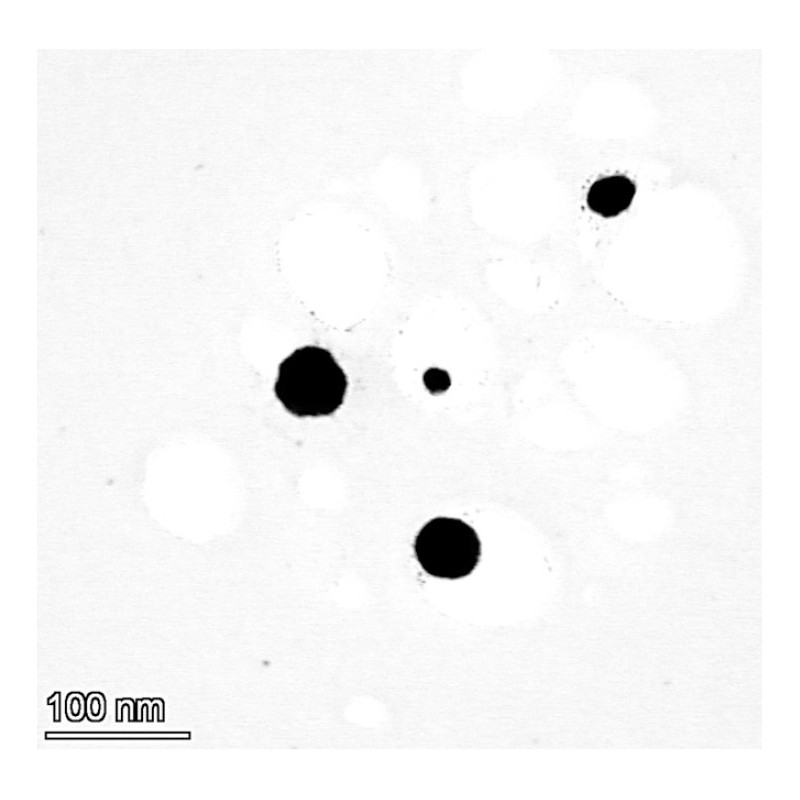
Copper nanoparticles aqueous dispersion 70nm (3wt% and 10wt%)
View Product →
Silver Nanoparticles, Colloidal Solution in Water
View Product →
Platinum Nanoparticles, Hydrophilic
View Product →
High Purity Germanium Nano Particles
View Product →Frequently Asked Questions
Ready to Advance Your Research?
Get access to high-purity nanoparticles and materials to fuel your next discovery.
Contact our experts to discuss your specific research needs.
Get in Touch
Have questions or need a quote for specific nanomaterials? Fill out the form below, and our team will get back to you promptly.