
The Nanotechnology Dawn in India: More Than Just Small Talk
In the bustling landscape of Indian research and development, a quiet revolution is taking place at a scale almost too small to imagine. This is the world of nanomaterials, a field poised to redefine industries from medicine to electronics. At the heart of this revolution is graphene, a single layer of carbon atoms that has been hailed as a 'wonder material'. For researchers and professionals across India, understanding the potential of materials like graphene oxide and other nano materials is no longer a niche interest—it's a necessity for innovation.
The Government of India's 'Make in India' and 'Digital India' initiatives have inadvertently created a fertile ground for nanotechnology. As we strive for self-reliance in high-tech manufacturing, the unique properties of nanostructures offer unprecedented solutions. These materials are not just smaller; they're fundamentally different, exhibiting enhanced strength, conductivity, and reactivity. This article serves as a comprehensive guide for the Indian R&D community, diving deep into the applications, benefits, market trends, and crucial factors like graphene price that shape the research landscape.
Why Should Researchers Bet on Nanomaterials?
For a researcher, the choice of material can make or break a project. Nanomaterials, including various metal nanoparticles, offer a compelling suite of advantages that can accelerate discovery and lead to breakthrough innovations.
- Exceptional Properties: Materials at the nanoscale behave differently. Graphene's strength and conductivity, or the catalytic prowess of platinum nanoparticles, provide tools to solve problems that were previously intractable with bulk materials.
- High Surface-Area-to-Volume Ratio: This characteristic is a game-changer for applications requiring high reactivity, such as in catalysis, sensing, and energy storage. More surface area means more sites for chemical reactions to occur.
- Quantum Realm Advantages: At this scale, quantum mechanical effects become prominent. This allows for the development of next-generation electronics, quantum dots for advanced displays, and highly sensitive biosensors.
- Paving the Way for Miniaturization: The drive to make devices smaller, faster, and more efficient directly depends on nanomaterials. They are the building blocks for the next wave of microelectronics and medical devices.
- Potential for High-Impact Publications and Patents: Working with cutting-edge materials like graphene and other nanomaterials places researchers at the forefront of science, increasing the likelihood of publishing in high-impact journals and securing valuable patents.
From Lab to Life: Nanomaterial Applications in India
The true test of any material is its real-world impact. Nanomaterials are already moving from research labs to industrial applications, transforming key sectors of the Indian economy. Here’s a look at some of the most promising areas:
Next-Generation Electronics
Graphene's incredible electron mobility makes it a prime candidate for creating ultra-fast transistors and transparent conductive films. This could lead to flexible smartphones, wearable displays, and more efficient solar cells, revolutionizing India's electronics manufacturing ambitions.
Energy Storage and Generation
The high surface area of nano materials like graphene and carbon nanotubes is being leveraged to create supercapacitors and batteries with higher capacity and faster charging times. This is critical for India's push towards electric vehicles and renewable energy grids.
Biomedical & Healthcare
Metal nanoparticles, like silver and gold, are being used for targeted drug delivery and as antimicrobial agents. Graphene oxide is showing immense promise in biosensors for early disease detection, a field of huge importance for public health in India.
Advanced Nano Coatings
Nano coatings offer superior protection against corrosion, UV radiation, and microbial growth. These are vital for extending the life of infrastructure, automotive parts, and even textiles, adding significant value and durability to products made in India.
Riding the Nano Wave: India-Specific Trends & Opportunities
The journey of nanotechnology in India is fueled by a unique combination of academic rigor, government support, and entrepreneurial spirit. Premier institutions like the IITs, IISc Bangalore, and CSIR labs are at the helm of nanomaterial research. A significant trend is the focus on developing low-cost, scalable synthesis methods for materials like graphene. The global graphene price has long been a barrier to widespread adoption, but Indian researchers are making strides in green synthesis and waste-to-wealth approaches to make it more accessible.
For any lab manager or principal investigator, the nanomaterials graphene oxide price per gram is a critical data point in budgeting. As local production scales up, we are witnessing a gradual stabilization and reduction in costs, opening up new avenues for research that were previously cost-prohibitive. The market for nanomaterial applications is projected to grow exponentially, with significant opportunities in water purification, agricultural technology (e.g., nano-fertilizers), and defense. Staying abreast of these trends is key for any researcher aiming to align their work with national priorities and funding opportunities.
Featured Nanomaterials for Your Research
Sourcing high-quality, reliable nanomaterials is the first step towards successful research. Explore these relevant products available for Indian researchers.
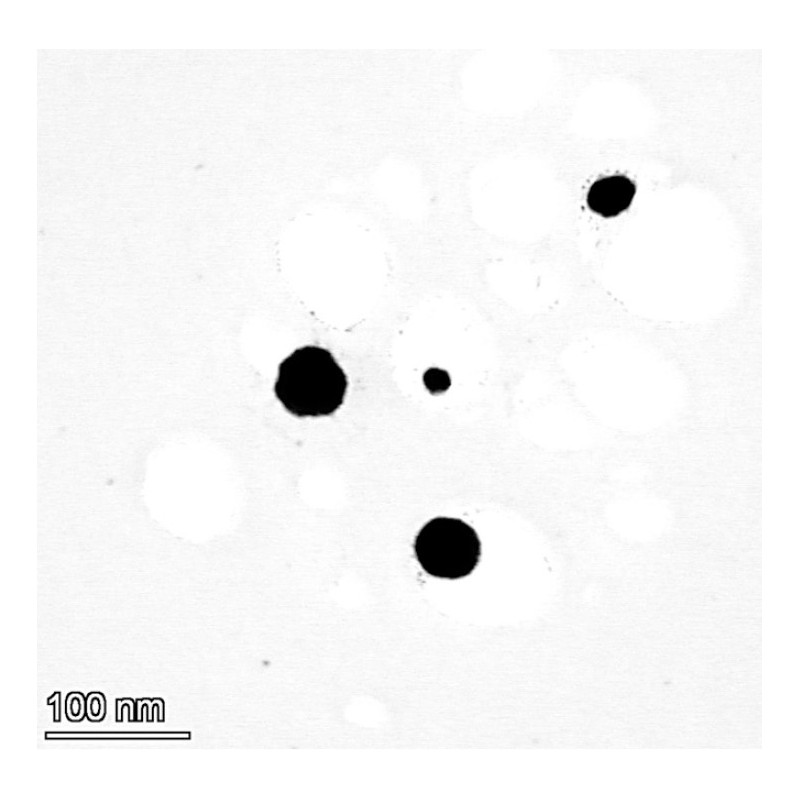
Copper nanoparticles aqueous dispersion 70nm (3wt% and 10wt%)
View Product
Silver Nanoparticles, Colloidal Solution in Water
View Product
Platinum Nanoparticles, Hydrophilic
View Product
Micron Copper Powder
View ProductFrequently Asked Questions
Nanomaterials are chemical substances or materials with particle sizes ranging from 1 to 100 nanometers in at least one dimension. Due to their small size, they exhibit unique physical and chemical properties compared to their larger counterparts, such as a high surface-area-to-volume ratio and quantum effects. These properties make them ideal for a wide range of applications in science and industry.
Graphene is a single layer of carbon atoms arranged in a two-dimensional honeycomb lattice. It is the thinnest, strongest, and most conductive material ever discovered, both for electricity and heat. Its remarkable properties have opened up possibilities for revolutionary applications in electronics, energy storage, composites, and more, making it a focal point of nanotechnology research.
The 'graphene price' in India varies significantly based on its quality, form (powder, dispersion, film), number of layers, and purity. Research-grade graphene oxide can cost differently from industrial-grade graphene nanoplatelets. The 'nanomaterials graphene oxide price per gram' is a common metric researchers look for. Prices are continually evolving as production methods become more efficient.
Graphene oxide (GO) is an oxidized form of graphene that is easier to process and disperse in water. This makes it highly suitable for applications such as transparent conductive films, biomedical sensors, drug delivery systems, advanced composites, and as a key component in 'nano coatings' for anti-corrosion and anti-fouling surfaces.
For reliable, high-purity nanomaterials like graphene, metal nanoparticles, and various nano materials for research and industrial purposes in India, specialized suppliers like Hiyka are an excellent resource. They provide detailed characterization data and ensure consistent quality, which is crucial for R&D projects.