
The Dawn of a New Material Age
Welcome to the frontier of material science, a realm where size dictates function and the impossibly small creates monumental impact. We are talking about the world of nanomaterials, specifically functional nanomaterials and their transformative role in creating nanostructured coatings. For the vibrant research and development community in India, from bustling labs in Bangalore to innovation hubs in Pune, understanding and harnessing the power of these materials is not just an academic pursuit—it's a strategic imperative.
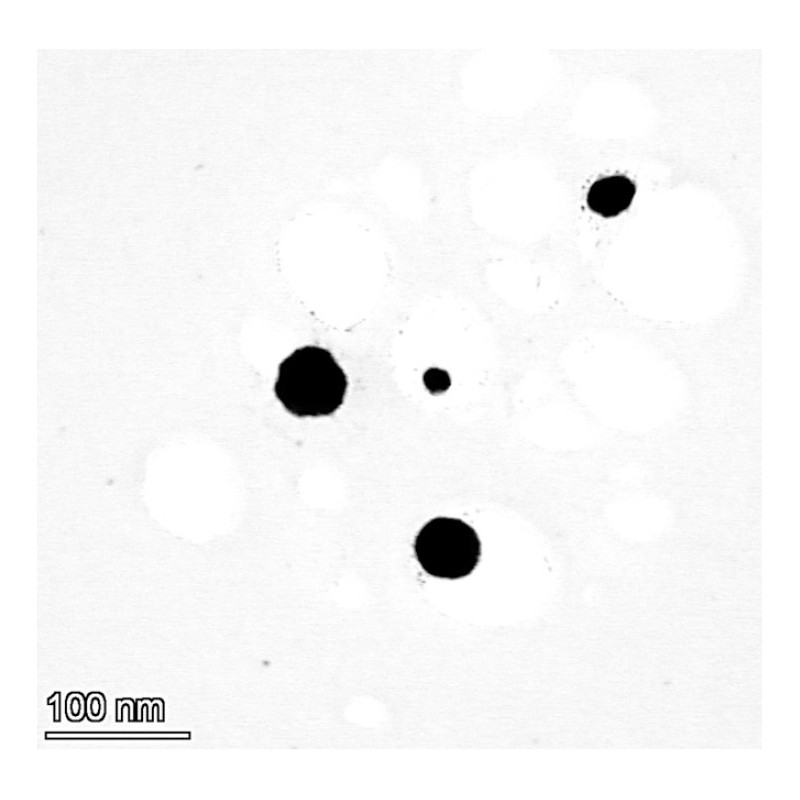
At its core, nanotechnology is the art and science of manipulating matter at the atomic and molecular scale. When we shrink materials down to the nanoscale (typically between 1 and 100 nanometers), they often exhibit astonishing new properties. A material that is inert in its bulk form might become a powerful catalyst as a nanoparticle. This is the principle behind functional nanomaterials: designing materials at the nanoscale to perform specific, high-value tasks.
One of the most exciting applications of this technology is in the field of nano coatings. Imagine a car paint that never scratches, a surgical instrument that repels all bacteria, or a skyscraper window that cleans itself. These are not concepts from science fiction; they are tangible realities being built today with nanostructured coatings. By integrating precisely engineered nanoparticles into liquid matrices, we can create surfaces with unprecedented capabilities. These coatings offer a quantum leap in performance over their conventional counterparts, providing enhanced durability, functionality, and longevity.
For India, a nation on a determined path of technological self-reliance (Atmanirbhar Bharat) and a global manufacturing powerhouse ("Make in India"), this field holds immense promise. The development of indigenous nanotechnology applications is crucial for advancing key sectors like automotive, aerospace, healthcare, and electronics. This blog serves as a comprehensive guide for Indian researchers, scientists, and industry professionals, providing deep insights into the science, benefits, and opportunities presented by functional nanomaterials for coating development projects.
Why Researchers are Embracing Nanostructured Coatings
The shift towards nanomaterial-based solutions isn't just a trend; it's a strategic move driven by tangible benefits that empower researchers to push the boundaries of what's possible. Here’s why these materials are becoming indispensable in modern R&D:
- Superior Performance: Nano coatings provide exceptional properties like extreme hardness, scratch resistance, and UV stability, leading to products that last longer and perform better.
- Enhanced Functionality: Researchers can design coatings with specific functions, such as superhydrophobicity (water-repelling), anti-corrosion, anti-icing, and antimicrobial properties.
- Material Efficiency: Because the desired properties are achieved with a very thin layer, nano coatings often require less material than traditional coatings, leading to potential cost and weight savings.
- Pioneering New Research Fields: The unique properties of nanomaterials open up entirely new research avenues, from self-healing polymers to transparent conductive films for flexible electronics.
- Competitive Advantage: For Indian industries, developing proprietary nanostructured coatings can provide a significant technological edge in the competitive global market.

From Lab to Life: Real-World Applications in India
Automotive & Transportation
In India's booming automotive sector, nano coatings provide hard, scratch-resistant finishes that protect a vehicle's aesthetic and value. Functional coatings also improve fuel efficiency through friction reduction and provide anti-corrosion layers for underbody parts, crucial for diverse Indian climates.
Healthcare & Biomedical
Silver and copper nanoparticles are integrated into coatings for medical devices, hospital surfaces, and textiles to create antimicrobial surfaces. This is a vital tool in preventing hospital-acquired infections, a major focus for Indian healthcare.
Electronics
Nanomaterials are key to developing conductive inks for printed electronics and transparent conductive films for touchscreens and flexible displays. This supports India's ambitions in semiconductor and electronics manufacturing.
Aerospace & Defense
Thermal barrier and erosion-resistant nanostructured coatings are critical for protecting jet engine components and aircraft exteriors. This enhances the performance and safety of assets for organizations like ISRO and DRDO.
Energy Sector
In the pursuit of renewable energy, anti-reflective and self-cleaning nano coatings on solar panels can significantly boost efficiency and reduce maintenance costs, directly supporting India's National Solar Mission.
Construction & Infrastructure
"Smart" building materials with photocatalytic coatings can break down pollutants, while hydrophobic coatings protect concrete and steel from water damage and corrosion, increasing the lifespan of critical infrastructure.
Riding the Nanotech Wave: India's Nanomaterial Landscape
The landscape for nanomaterial research and nanotechnology applications in India is more fertile than ever. A confluence of government support, academic excellence, and entrepreneurial spirit is creating a powerful ecosystem for innovation. The Government of India's Nano Mission has been instrumental in funding research and infrastructure, fostering a new generation of scientists skilled in this domain. This has led to a surge in high-quality publications and patents, signaling a maturing R&D environment.
A key trend is the growing collaboration between academia and industry. Premier institutes like the IITs and IISc are partnering with corporations to translate laboratory breakthroughs into commercially viable nanotech products. These partnerships are crucial for tackling the "valley of death" in product development, ensuring that promising research on functional nanomaterials finds its way into the market. For any researcher, participating in these collaborative nanomaterials for functional coatings development projects is a significant career opportunity.
Furthermore, there is a strong focus on sustainable and green nanotechnology. Researchers are actively exploring bio-inspired synthesis methods for nanoparticles to reduce the environmental footprint. The development of eco-friendly nano coatings, for instance, for water purification or reducing energy consumption, aligns perfectly with India's national sustainability goals. This emphasis on green chemistry makes the field both ethically and commercially attractive for the next decade of innovation.
Your Questions Answered
Essential Nanomaterials for Your Next Project


Propel Your Research Forward
Ready to integrate high-performance functional nanomaterials into your work? Browse our extensive catalog of nanoparticles and nano coatings or contact our experts to discuss your specific project requirements.
Browse Products