The Dawn of a New Era: Nanotechnology in Indian Research
Nanotechnology is no longer a futuristic buzzword; it's a present-day reality revolutionizing industries across the globe. For India, a nation rapidly cementing its position as an R&D powerhouse, the field of bio-nanomaterials represents a frontier of immense opportunity. These microscopic marvels—materials engineered at the nanoscale to interact with biological systems—are at the heart of groundbreaking advancements in nanomedicine, diagnostics, and environmental science. From sophisticated gold nanoparticles used in cancer therapy to the versatile applications of graphene in biosensing, Indian researchers and professionals are harnessing these materials to solve some of the country's most pressing challenges.
This guide is tailored for the Indian research community. Whether you are a postgraduate student, a seasoned scientist, or an industry professional, our goal is to provide a comprehensive overview of the most relevant bio-nanomaterials, their applications, and the unique landscape of nanotechnology research in India. We will delve into the properties that make materials like silver nanoparticles and carbon nanotubes indispensable tools and explore how you can leverage them in your work.
Why Bio-Nanomaterials are a Game-Changer for Researchers
The adoption of nanoparticles and other nanomaterials offers a plethora of advantages that can accelerate research and lead to unprecedented discoveries. Here’s why incorporating these materials into your projects is not just innovative, but essential:
- Unmatched Precision and Targeting: Bio-nanomaterials can be engineered to target specific cells, tissues, or pathogens. This is particularly crucial in nanomedicine, where targeted drug delivery systems using gold nanoparticles can deliver potent drugs directly to cancer cells, minimizing side effects.
- Enhanced Sensitivity in Diagnostics: The unique optical and electronic properties of materials like graphene and quantum dots allow for the creation of ultra-sensitive biosensors. This enables the detection of biomarkers at minute concentrations, leading to earlier disease diagnosis.
- Superior Material Properties: Nanomaterials exhibit enhanced physical, chemical, and mechanical properties compared to their bulk counterparts. Carbon nanotubes, for instance, possess extraordinary strength, making them ideal for reinforcing biocompatible polymers in tissue engineering.
- Increased Surface Area-to-Volume Ratio: This fundamental property of nanoparticles makes them highly efficient catalysts and excellent vehicles for carrying large payloads of drugs or imaging agents.
- Facilitating Multidisciplinary Research: The study of bio-nanomaterials inherently bridges physics, chemistry, biology, and engineering, fostering a collaborative environment that is vital for modern scientific breakthroughs in India.
From Lab to Life: Key Applications in Indian Industries
The impact of bio-nanomaterials extends far beyond the research lab. Here are some of the most promising applications currently being explored and implemented across various sectors in India.
1. Advanced Nanomedicine and Healthcare
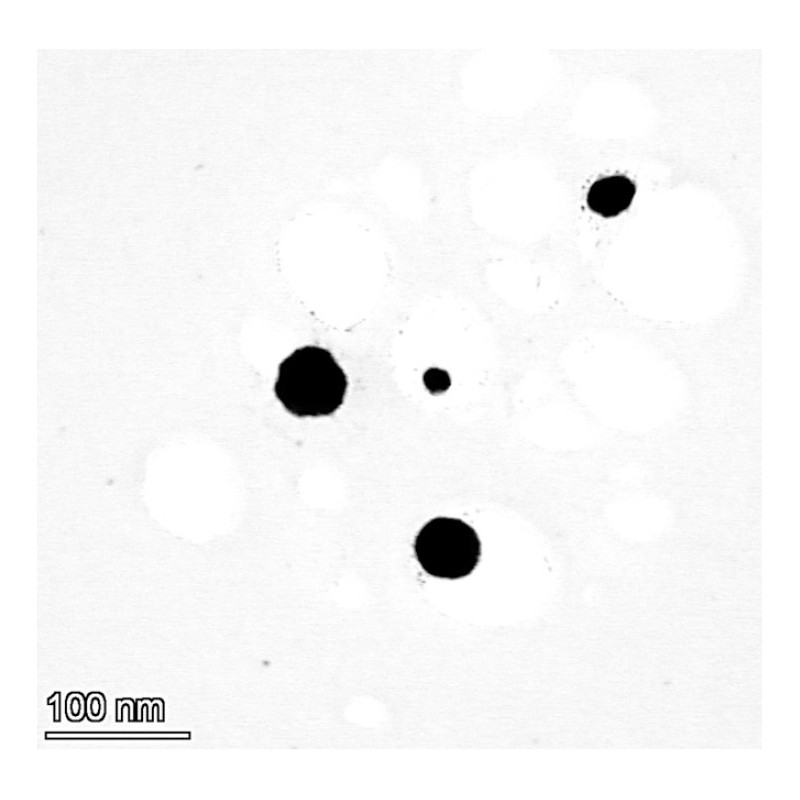
This is arguably the most significant area of application. Gold nanoparticles and silver nanoparticles are being extensively studied for their therapeutic potential. Gold nanoparticles are used in photothermal therapy to destroy tumors, while silver nanoparticles are integrated into wound dressings and medical coatings for their potent antimicrobial properties. Furthermore, graphene-based systems are being developed for targeted drug delivery and as scaffolds for regenerative medicine.
2. Biomedical Engineering and Diagnostics
The development of low-cost, point-of-care diagnostic devices is a major priority in India. The best nanomaterials for biomedical engineering, such as functionalized carbon nanotubes and graphene oxide, are being used to create highly sensitive biosensors for detecting diseases like dengue, malaria, and tuberculosis quickly and affordably. These materials are paving the way for a new generation of medical devices.
3. Water Purification and Environmental Remediation
Access to clean water is a critical issue. Metallic nanomaterials and nano-membranes offer a highly effective solution. Nanoparticles can neutralize contaminants, and filters incorporating nanotubes can remove even the smallest impurities and pathogens from water, providing a scalable and efficient purification technology.
4. Agriculture and Food Technology
Nanotechnology is also transforming agriculture. Nano-fertilizers and nano-pesticides allow for controlled release, improving crop yield while reducing environmental runoff. Additionally, nanoparticle-based sensors are being developed to monitor soil quality and detect pathogens in food products, enhancing food safety.
The Indian Nanotech Ecosystem: Trends and Opportunities
India's commitment to nanotechnology is robust and growing, driven by government support and a vibrant academic community. The Government of India's Nano Mission program has been instrumental in funding research, establishing infrastructure, and fostering an ecosystem of innovation. This has led to a surge in high-quality research publications and patents in the field of nanotechnology and bio-nanomaterials.
A key trend is the focus on developing cost-effective, indigenous solutions. Researchers at institutions like the IITs, IISc Bangalore, and NCL Pune are at the forefront, working on projects that tailor nanoparticles for local needs. For instance, there is significant research into using silver nanoparticles for water purification systems suited to rural India and developing affordable cancer therapies based on nanomedicine principles.
The opportunity for professionals lies in bridging the gap between research and commercialization. There is a growing demand for scientists and engineers who can scale up the production of high-quality nanomaterials like graphene and gold nanoparticles and integrate them into commercial products. Collaborations between academia and industry are becoming more common, creating a fertile ground for startups and established companies to innovate. For any researcher, staying abreast of these trends is key to contributing meaningfully to India's technological ascent.
Featured Nanomaterials for Your Research
High-purity materials to power your next breakthrough.


Frequently Asked Questions
Bio-nanomaterials are materials at the nanoscale (typically 1-100 nm) that are either derived from biological sources or designed to interact with biological systems. They form the cornerstone of nanomedicine and bionanotechnology, with materials like gold nanoparticles, graphene, and silver nanoparticles being used for drug delivery, diagnostics, and tissue engineering.
Gold nanoparticles are highly valued in biomedical research due to their unique optical properties (surface plasmon resonance), excellent biocompatibility, low toxicity, and ease of functionalization. These properties make them ideal for applications in diagnostics (like biosensors), targeted drug delivery, and photothermal therapy for cancer treatment.
The safety of graphene and its derivatives (like graphene oxide) is an active area of research. While pristine graphene can have toxicity concerns, functionalized graphene, which is modified to be more biocompatible, shows great promise. Its safety depends on factors like size, shape, dose, and surface chemistry. For biomedical use, highly purified and functionalized graphene is essential.
The future of nanomedicine in India is incredibly bright. With strong government support through initiatives like the Nano Mission, a growing pool of skilled researchers, and increasing industry-academia collaboration, India is poised to become a hub for nano-medical innovation. Key areas of growth include affordable diagnostics, targeted therapies for diseases like cancer and tuberculosis, and advanced drug delivery systems.
Ready to Advance Your Research?
The world of bio-nanomaterials is vast and full of potential. Whether you're conceptualizing a new study or scaling up your experiments, having access to high-quality, reliable nanomaterials is the first step toward success. Explore our comprehensive catalog or contact our team of experts to find the perfect materials for your specific application.