Introduction: The Nanoscale Revolution in Material Science
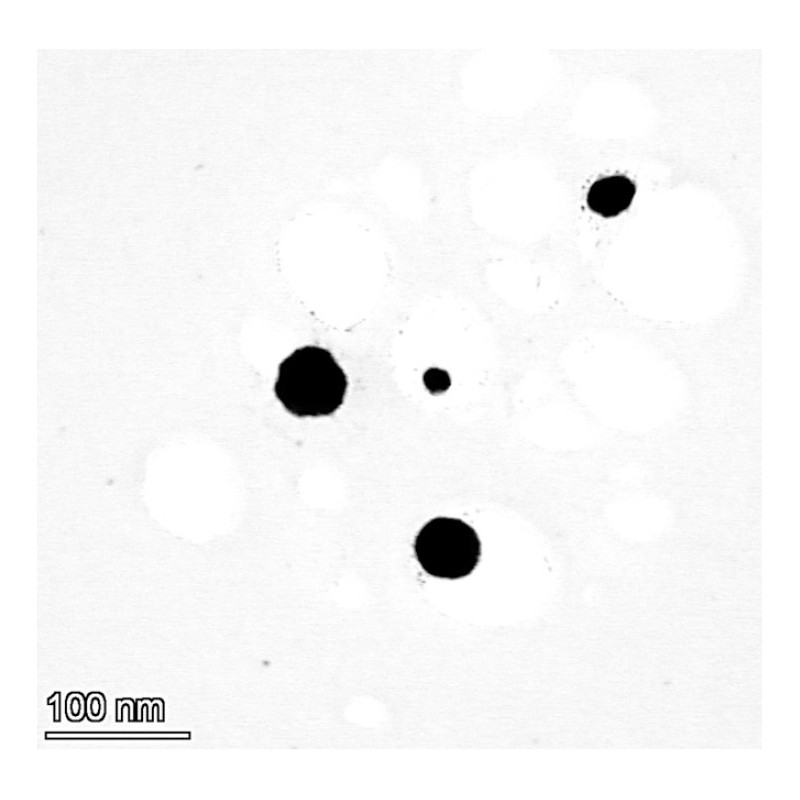
In the ever-evolving landscape of material science, nanotechnology stands out as a true game-changer. By manipulating matter at the atomic and molecular scale, we unlock properties and possibilities that were once the stuff of science fiction. At the forefront of this revolution are nanomaterials, and among the most versatile and impactful of these are alumina nanoparticles (Al2O3). These ultrafine powders, composed of particles measuring less than 100 nanometers, are driving significant advancements across numerous sectors.
For India, a nation rapidly ascending as a global hub for research, development, and high-tech manufacturing, the adoption of such advanced materials is not just an option—it's a necessity. From the burgeoning semiconductor industry to advanced medical device manufacturing, the demand for ultra-smooth, flawless surfaces is paramount. This is where the unique capabilities of nanoparticle polishing come into play. Alumina nanoparticles, in particular, have emerged as the gold standard for achieving angstrom-level smoothness, making them a critical component for Indian researchers and professionals aiming to compete on the world stage. This article delves into the world of these nanostructured materials, exploring their benefits, applications, and the exciting opportunities they present for India's technological future.
Why Researchers and Industries are Turning to Alumina Nanoparticles
The unique physicochemical properties of alumina nanoparticles make them highly sought after. For researchers in India, leveraging these benefits can accelerate innovation and lead to breakthroughs in various fields. Here are the key advantages:
- Exceptional Hardness & Stability: Alumina is an incredibly hard ceramic material (ranking 9 on the Mohs scale), making it perfect for abrading and polishing harder materials without breaking down. Its chemical inertness and thermal stability ensure consistent performance under diverse conditions.
- Superior Surface Finish: The primary application, nanoparticle polishing, relies on the fine size of these particles. They create a chemical-mechanical planarization (CMP) slurry that removes microscopic irregularities, achieving a mirror-like, defect-free surface that is impossible to obtain with conventional abrasives.
- High Purity & Controlled Size: Suppliers can now produce ultrafine powders of alumina with high purity and a very narrow particle size distribution. This control is critical for reproducible results in sensitive applications like semiconductor wafer polishing and creating advanced nano coatings.
- Enhanced Material Properties: When incorporated into composites (creating nanocomposites), alumina nanoparticles can dramatically improve the mechanical strength, wear resistance, and thermal conductivity of the host material, opening doors for creating next-generation polymers, metals, and ceramics.
- Versatility in Applications: Beyond polishing, these nanoscale materials are used in everything from transparent armor and wear-resistant coatings to biomedical implants and catalyst supports, showcasing their incredible versatility.
Transforming Industries: Key Applications in the Indian Context
The practical impact of alumina nanoparticles is vast. In India, several key sectors are poised to benefit immensely from the adoption of this technology. Below are some of the most promising nanotech applications.
Electronics & Semiconductors
The "Make in India" initiative has a strong focus on electronics manufacturing. Polishing silicon wafers to achieve atomic-level smoothness is a critical step in chip fabrication. Alumina nanoparticles for polishing compound are essential for this, ensuring higher yields and performance of integrated circuits.
Medical Devices & Implants
For biomedical implants like artificial joints, a perfectly smooth surface is crucial to minimize friction, wear, and immune response. Nanoparticle polishing with biocompatible alumina creates surfaces that enhance the longevity and safety of these life-saving devices.
Aerospace & Defense
High-performance components in aerospace and defense require materials with exceptional wear resistance. Nano coatings containing alumina nanoparticles can be applied to turbine blades, bearings, and other critical parts, significantly extending their operational life and reliability under extreme conditions.
Optics & Photonics
Precision lenses, mirrors, and fiber optics demand surfaces free of any scattering-inducing defects. Alumina nanoparticle slurries provide the final polishing step, ensuring maximum light transmission and clarity, which is vital for India's growing telecommunications and space exploration sectors.
Opportunities and Future Trends for Nanomaterials in India
The future of nanostructured materials in India is incredibly bright. The Indian government's Nano Mission has been instrumental in fostering a robust ecosystem for R&D in nanotechnology. This has created a fertile ground for both academic research and industrial commercialization. A key trend is the move towards 'green synthesis' of nanoparticles, using biological and plant-based methods to create ultrafine powders in an environmentally friendly way. This aligns with global sustainability goals and presents a unique opportunity for Indian researchers to lead.
Furthermore, the integration of AI and machine learning with materials science is accelerating the discovery of new nanocomposites. By simulating how materials like metallic nanoparticles and ceramic nanoparticles interact, researchers can design novel materials with tailored properties for specific nanotech applications. For instance, developing advanced nano coatings that are not only wear-resistant but also self-healing or have anti-bacterial properties is a major area of focus. As the supply chain for high-quality nanoscale materials, including alumina nanoparticles, becomes more robust within India, we can expect to see an explosion of innovation, driving economic growth and technological self-reliance.
Frequently Asked Questions
Alumina (Al2O3) nanoparticles are ideal for polishing due to their exceptional hardness, fine particle size, and ability to be produced with a narrow particle size distribution. This allows them to create a slurry that can remove microscopic surface imperfections without causing new scratches, resulting in a superior, mirror-like finish on materials like silicon wafers, medical implants, and precision optics.
The environmental impact of alumina nanoparticles is a subject of ongoing research. While aluminum oxide itself is generally considered inert and non-toxic, the nanoscale form may have different biological interactions. Researchers in India and globally are focused on 'green synthesis' methods and proper disposal protocols to mitigate potential environmental risks and ensure the sustainable use of these nanostructured materials.
Alpha (α-Al2O3) and gamma (γ-Al2O3) are different crystalline phases of alumina. Alpha-alumina is the most stable and hard phase, making it the preferred choice for applications requiring high wear resistance and superior polishing. Gamma-alumina has a higher surface area and is often used as a catalyst support and in coatings, but for high-precision nanoparticle polishing, alpha-phase ultrafine powders are typically superior.
Indian researchers and companies can procure high-quality alumina nanoparticles from specialized suppliers like Reinste and Hiyka. These suppliers offer a range of nanomaterials, including ultrafine powders with specific particle sizes and purity levels, ensuring that the materials meet the stringent requirements for advanced R&D and industrial applications.