Revolutionizing Safety: The Power of Nanofibers in Protective Clothing for Indian Industries
Discover how advanced nanofiber technology is transforming protective clothing, offering unparalleled safety and performance for researchers and professionals across diverse sectors in India.
Explore Nanofiber InnovationsUnveiling the Potential of Protective Clothing Nanofibers in India
In an era where workplace safety and personal protection are paramount, the advent of nanofibers for clothing marks a significant leap forward. India, with its rapidly expanding industrial landscape and burgeoning research and development sector, stands at the cusp of embracing these revolutionary materials. Nanofiber protective equipment offers a paradigm shift from conventional protective gear, promising enhanced functionalities such as superior filtration, breathability, and resistance to a myriad of hazards. This blog delves into the transformative impact of protective clothing nanofibers, exploring their relevance, benefits, and the immense opportunities they present for Indian researchers and professionals.
The demand for high-performance protective textiles is escalating across sectors like healthcare, defense, manufacturing, and chemical industries. Traditional materials often struggle to provide the delicate balance between protection and comfort. This is where nanofiber textiles excel. Their incredibly small fiber diameter, typically less than 100 nanometers, endows them with unique properties, including an exceptionally high surface area-to-volume ratio and tunable pore sizes. These characteristics are critical for developing next-generation personal protective equipment (PPE) that can effectively shield against airborne particulates, biological agents, hazardous chemicals, and even electromagnetic radiation, without compromising user mobility or comfort.
For Indian researchers, the field of nanofiber technology presents a fertile ground for innovation. From developing cost-effective production methods to tailoring nanofiber materials for specific local challenges, the scope is vast. Professionals in various industries, from textile manufacturers to safety officers, are increasingly looking towards these advanced materials to meet stringent safety standards and improve worker well-being. Understanding the nuances of high-performance nanofibers is no longer a niche interest but a necessity for staying competitive and ensuring a safer future.
Key Benefits of Nanofibers for Protective Clothing: A Researcher's Perspective
For researchers and developers in India, exploring nanofiber applications in protective clothing opens doors to a multitude of advantages. These benefits translate directly into superior product development and significant advancements in safety standards:
- Exceptional Filtration Efficiency: The ultra-fine structure of nanofiber protective equipment allows for the creation of membranes with extremely small pore sizes, capable of filtering out sub-micron particles, bacteria, and viruses with remarkable efficiency. This is crucial for medical PPE, air filtration systems, and chemical protective suits.
- Enhanced Breathability and Comfort: Despite their dense structure, nanofiber textiles can be engineered to maintain high porosity, leading to excellent breathability. This reduces heat stress and improves user comfort, a critical factor for workers in hot and humid Indian climates, encouraging longer wear times for protective gear.
- Lightweight and Flexible: High-performance nanofibers contribute to significantly lighter and more flexible protective clothing compared to traditional multi-layered fabrics. This improves wearer mobility and reduces fatigue, particularly important for defense personnel and industrial workers.
- Multi-functional Capabilities: Nanofibers can be easily functionalized to impart additional properties. This includes incorporating antimicrobial agents, UV protection, flame retardancy, water repellency, and even self-cleaning features, making them highly versatile for various protective scenarios. This leads to advanced nanofiber composites.
- Durability and Longevity: Advanced manufacturing techniques can produce nanofiber materials with superior mechanical strength and abrasion resistance, extending the lifespan of protective garments and reducing replacement costs.
- Chemical and Biological Resistance: The tight pore structure and potential for surface modification make nanofibers for protective clothing applications highly effective barriers against a wide range of hazardous chemicals and biological contaminants.
These advantages underscore why nanofibers are not just an evolutionary step but a revolutionary one in the domain of personal protection, offering solutions that were previously unattainable with conventional materials.
Transformative Applications of Nanofiber Protective Equipment in Indian Industries
The versatility of nanofibers for clothing extends to a broad spectrum of industrial applications in India, addressing critical safety needs across various sectors. Here are some key areas where nanofiber protective equipment is making a significant impact:
Healthcare and Medical Textiles
In hospitals and clinics, nanofiber textiles are revolutionizing surgical masks, gowns, and drapes. Their superior filtration efficiency provides enhanced protection against airborne pathogens and bodily fluids, safeguarding both medical professionals and patients. The antibacterial properties of certain nanofiber composites further reduce the risk of hospital-acquired infections, a critical concern in India's healthcare system.
Defense and Military Uniforms
For defense personnel, protective clothing nanofibers offer multi-threat protection. Nanofiber-enhanced uniforms can provide protection against chemical and biological warfare agents, improve ballistic resistance when integrated into body armor, and even offer camouflage functionalities. Their lightweight and breathable nature enhances operational efficiency and comfort for soldiers in diverse terrains.
Industrial Safety and Manufacturing
Workers in manufacturing units, chemical plants, and construction sites face myriad hazards. Nanofiber protective equipment, such as gloves, respirators, and overalls, can shield against hazardous dust, chemical splashes, and extreme temperatures. The durability and resistance to harsh environments make nanofiber materials ideal for robust industrial PPE.
Environmental Protection and Filtration
Beyond personal clothing, nanofiber applications extend to environmental protection. High-efficiency nanofiber filters are crucial for industrial air purification, water treatment, and pollution control, contributing to a cleaner and safer environment, which is a growing priority for India's sustainable development goals.
Sports and Outdoor Gear
While primarily focused on protection, high-performance nanofibers also find their way into advanced sports apparel and outdoor gear. Their lightweight, breathable, and water-resistant properties offer athletes and adventurers enhanced comfort and protection against elements, reflecting the broader impact of nanofiber technology.
Firefighting and Emergency Services
For firefighters, protection from extreme heat and hazardous chemicals is paramount. Nanofiber protective equipment can be engineered to provide superior thermal insulation and chemical resistance, creating lighter yet more robust gear that significantly enhances the safety and agility of emergency responders.
India's Nanofiber Horizon: Opportunities and Emerging Trends
The landscape for nanofibers for protective clothing applications in India is characterized by immense growth potential and evolving trends. With a strong emphasis on 'Make in India' and self-reliance, the nation is poised to become a hub for nanofiber technology innovation and production.
One significant trend is the increasing investment in nanotechnology research by both government agencies and private industries. This fosters an environment conducive to developing novel nanofiber materials and scalable manufacturing processes. Indian academic institutions and research labs are actively engaged in projects aimed at creating cost-effective and high-performance nanofiber textiles tailored to local needs, such as improved heat management for tropical climates.
The demand for specialized nanofiber protective equipment is also driving innovation. For instance, the growing e-waste recycling industry and the need for protection against heavy metals, or the agricultural sector requiring robust yet breathable pesticide-resistant clothing, present unique challenges that nanofiber composites are uniquely positioned to address. Furthermore, the push for sustainable and eco-friendly materials is leading to research in biodegradable and recyclable nanofibers, aligning with global environmental concerns.
Collaboration between material scientists, textile engineers, and industry stakeholders is crucial. Indian manufacturers are exploring partnerships to integrate high-performance nanofibers into their product lines, aiming to meet international safety standards and capture a larger share of the global protective textiles market. The future of protective clothing nanofibers in India is bright, promising not only enhanced safety but also significant economic opportunities and technological leadership.
Frequently Asked Questions about Nanofibers in Protective Clothing
What makes nanofibers superior for protective clothing compared to traditional materials?
Nanofibers possess an extremely high surface area-to-volume ratio and ultra-small pore sizes, allowing for superior filtration efficiency against very fine particles, bacteria, and viruses. They also offer enhanced breathability, lightweight construction, and can be easily functionalized to provide multi-functional protection (e.g., antimicrobial, water-repellent, flame-retardant), making them far more versatile and effective than conventional fabrics for protective clothing nanofibers.
Are nanofiber protective equipment comfortable to wear, especially in hot climates like India?
Yes, a significant advantage of nanofiber protective equipment is their ability to offer high breathability despite superior filtration. The unique porous structure allows for efficient moisture vapor transfer, reducing heat buildup and improving comfort. This makes nanofibers for clothing particularly suitable for demanding environments and hot climates, ensuring workers can wear protective gear for extended periods.
What are the primary industries in India benefiting from nanofiber protective clothing?
Key industries benefiting from nanofiber protective clothing applications in India include healthcare (surgical masks, gowns), defense and military (chemical/biological protection, ballistic vests), manufacturing and chemical industries (respirators, chemical suits), and environmental protection (advanced filtration systems). The versatility of nanofiber textiles allows for tailored solutions across various hazardous environments.
How does nanofiber technology contribute to sustainable protective clothing solutions?
Nanofiber technology can contribute to sustainability through several avenues. Firstly, the enhanced durability and multi-functionality of high-performance nanofibers can extend the lifespan of protective garments, reducing waste. Secondly, research is ongoing into developing biodegradable and recyclable nanofiber materials, minimizing environmental impact. Finally, efficient filtration capabilities can lead to cleaner air and water, contributing to broader environmental health.
What are the future prospects for nanofiber protective clothing in the Indian market?
The future prospects are highly promising. With increasing awareness of safety standards, government initiatives supporting advanced manufacturing, and a robust R&D ecosystem, India is set to become a significant player in nanofiber protective equipment. We anticipate growth in custom-designed nanofiber composites for niche applications, increased domestic production, and a greater integration of smart functionalities, further solidifying the role of nanofibers for clothing in ensuring a safer future for Indian professionals.
Explore Related Nanofiber Products for Enhanced Protection
Discover innovative nanofiber materials and solutions that complement the advancements in protective clothing nanofibers, brought to you by Hiyka.

Silver Antibacterial and Deodorant Fiber FreeCool
An advanced fiber offering superior antibacterial and deodorant properties, ideal for high-performance protective textiles.
View Product
Silver ion antibacterial and deodorant wrap Yarn
Innovative wrap yarn infused with silver ions for long-lasting antibacterial and odor control in protective fabrics.
View Product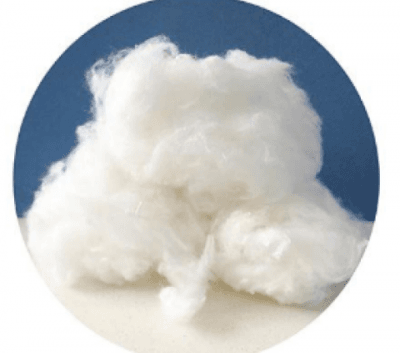
Silver antibacterial and deodorant staple fiber
Versatile staple fiber with silver antibacterial properties, perfect for blending into various protective textile applications.
View Product
Antibacterial yarn
High-quality yarn engineered with antimicrobial properties, essential for hygiene-critical protective clothing.
View ProductReady to Innovate with Nanofiber Technology?
Partner with Reinste to explore custom nanofiber solutions for your protective clothing needs. Leverage cutting-edge nanofiber materials for unparalleled safety and performance in your industry.
Contact Reinste TodayGet in Touch with Our Experts
Have questions about nanofiber protective equipment or need bespoke solutions? Fill out the form below, and our team will get back to you promptly.