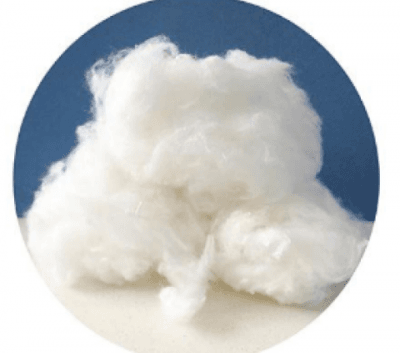
Introduction to Nanofibers in Environmental Remediation

India, with its rapid industrialization and burgeoning population, faces significant environmental challenges, particularly in water and air quality. Traditional remediation methods often fall short in addressing the complexity and scale of these issues. This is where nanofiber technology emerges as a beacon of hope. Nanofibers, with their extraordinary properties, are not just an incremental improvement but a transformative solution poised to redefine environmental protection strategies across the nation. For Indian researchers and professionals, understanding and harnessing the power of nanofibers for environmental remediation is no longer an academic pursuit but a critical imperative for sustainable development.

These ultra-fine fibers, typically ranging from 1 to 100 nanometers in diameter, boast an unparalleled surface area-to-volume ratio, exceptional porosity, and tunable surface chemistry. These characteristics make them highly efficient in adsorbing, filtering, and degrading a wide array of pollutants, from microscopic pathogens in water to hazardous particulate matter in the air. The versatility of nanofibers in water treatment and nanofibers in air filtration is particularly relevant to India's context, where access to clean water and breathable air remains a pressing concern.

This blog delves into the profound impact of nanofiber technology, exploring its diverse applications of nanofibers, the tangible benefits it offers to researchers, and the exciting opportunities it presents for various industries in India. We will also examine the emerging nanofiber membrane solutions and the potential of biodegradable nanofibers in fostering a greener future. Join us as we uncover how this advanced material is setting new benchmarks in environmental protection, paving the way for a healthier and more sustainable India.

Benefits of Nanofibers for Indian Researchers and Innovators

  • Enhanced Research Avenues: Nanofibers open up new frontiers in materials science, chemistry, and environmental engineering, providing fertile ground for groundbreaking research in areas like advanced filtration, catalysis, and sensing.
  • High-Efficiency Remediation: Researchers can develop highly efficient systems for removing recalcitrant pollutants, heavy metals, and pathogens from water and air, surpassing the capabilities of conventional materials.
  • Cost-Effective Solutions: While initial investment might be present, the long-term efficiency and durability of nanofiber-based systems can lead to more cost-effective environmental remediation solutions, especially for large-scale industrial applications.
  • Sustainable Development Goals: Contributions to clean water (SDG 6) and clean air (SDG 11, 13) align directly with national and global sustainability objectives, enhancing the impact and relevance of research.
  • Innovation in Product Development: Opportunities to innovate and develop new products like advanced water filters, air purifiers, protective textiles, and smart environmental sensors.
  • Interdisciplinary Collaboration: Fosters collaboration between various scientific disciplines, engineering fields, and even policy-makers, leading to holistic solutions for complex environmental problems.
  • Global Recognition: Pioneering research in nanofiber technology can elevate India's standing in the global scientific community and attract international collaborations and funding.

Transformative Industrial Applications of Nanofibers

Advanced Water Treatment

Nanofibers in water treatment are revolutionizing the purification process. Their ultra-fine pores enable highly efficient removal of bacteria, viruses, heavy metals, dyes, and other emerging contaminants from industrial wastewater and drinking water sources. Nanofiber membranes offer superior flux and anti-fouling properties compared to conventional membranes, making them ideal for municipal water purification plants and industrial effluent treatment facilities across India. This technology is crucial for ensuring access to clean and safe water, a fundamental requirement for public health and industrial growth.

Sophisticated Air Filtration

Addressing India's severe air pollution challenge, nanofibers in air filtration provide high-performance solutions. They are exceptionally effective in capturing fine particulate matter (PM2.5, PM10), aerosols, and harmful gases from industrial emissions and urban air. Nanofiber-based filters can be integrated into HVAC systems, industrial chimneys, and personal protective masks, offering significantly improved filtration efficiency and lower pressure drop, thereby reducing energy consumption. This has direct implications for improving public health and complying with stringent environmental regulations.

Targeted Soil Remediation

Beyond water and air, nanofibers are also finding innovative applications of nanofibers in soil remediation. They can be engineered to adsorb or degrade persistent organic pollutants, pesticides, and heavy metals in contaminated soils. This offers a more targeted and efficient approach compared to traditional methods, which can be disruptive and less effective. The development of biodegradable nanofibers for this purpose further enhances their environmental compatibility, preventing secondary contamination and promoting ecosystem recovery.

Sustainable Energy Solutions

While primarily focused on remediation, the broader impact of nanofiber technology extends to sustainable energy. Nanofibers for energy storage, particularly carbon nanofibers, are being explored for high-performance batteries, supercapacitors, and fuel cells. Their high surface area and excellent electrical conductivity enhance energy density and charge-discharge rates, contributing to cleaner energy infrastructure. This indirectly supports environmental goals by promoting renewable energy adoption and reducing reliance on fossil fuels.

Frequently Asked Questions about Nanofibers

Nanofibers are ultrafine fibers with diameters typically ranging from tens to a few hundreds of nanometers. Their exceptional surface area-to-volume ratio, high porosity, and tunable surface chemistry make them highly effective in environmental remediation. They can efficiently adsorb pollutants, act as catalytic platforms for degradation, and serve as robust membranes for filtration, addressing issues in water, air, and soil contamination.

In India, nanofibers offer significant advantages for water treatment, including superior filtration efficiency for even the smallest contaminants like viruses and heavy metals, reduced energy consumption compared to conventional methods, and the potential for developing portable and cost-effective water purification systems. Their high flux and fouling resistance also lead to longer membrane lifespans.

Nanofiber filters are highly effective in capturing fine particulate matter (PM2.5), volatile organic compounds (VOCs), and other airborne pollutants that are prevalent in Indian urban centers. Their high filtration efficiency at low pressure drops makes them ideal for advanced air purifiers, industrial emission control, and even personal protective equipment, significantly improving air quality.

Challenges include the scalability of nanofiber production for large-scale applications, the cost-effectiveness of certain nanofiber materials, and the need for robust recycling or disposal strategies. Additionally, public awareness and policy support for advanced materials in environmental solutions are crucial for their broader acceptance and implementation in India.

The future of nanofiber R&D in India is promising, with increasing focus on developing biodegradable and sustainable nanofibers, integrating smart functionalities for real-time monitoring, and exploring novel applications in energy harvesting and storage alongside remediation. Collaborative efforts between academia, industry, and government are expected to drive significant innovations.

Ready to Innovate with Nanofiber Technology?

Connect with Reinste to explore how nanofibers can transform your environmental solutions.

Get in Touch

Contact Us