Nanofiber Drug Delivery in India: Revolutionizing Targeted Therapies
Explore the cutting-edge of nanofiber technology, from electrospun to biodegradable nanofibers, and their transformative impact on drug delivery systems for Indian researchers and professionals.
Explore Nanofiber Innovations
Introduction to Nanofiber Drug Delivery: A Paradigm Shift for India
The landscape of modern medicine is constantly evolving, driven by the relentless pursuit of more effective and safer therapeutic strategies. In this quest, nanofibers have emerged as a groundbreaking technology, particularly in the realm of drug delivery. These ultrafine fibers, with diameters often less than 100 nanometers, possess unique properties such as an exceptionally high surface area-to-volume ratio, tunable porosity, and remarkable mechanical strength. These characteristics make them ideal candidates for encapsulating, protecting, and precisely delivering therapeutic agents, thereby addressing some of the most persistent challenges in pharmacology and patient care.
For Indian researchers and professionals, the advent of nanofiber drug delivery represents a significant opportunity. With a robust and rapidly expanding pharmaceutical industry, coupled with a growing focus on advanced medical technologies and indigenous innovation, India is uniquely poised to become a global leader in developing and implementing these innovative solutions. Nanofibers offer the potential to overcome many limitations of conventional drug delivery methods, including poor bioavailability of drugs, rapid degradation of sensitive therapeutic molecules, and undesirable off-target side effects that can compromise patient health. By enabling controlled and targeted release, nanofibers can significantly enhance therapeutic efficacy, reduce dosage frequency, and ultimately improve patient outcomes, addressing critical healthcare needs across the nation, from urban centers to remote areas.
This blog delves into the fascinating world of nanofiber drug delivery, exploring its fundamental principles, diverse nanofiber applications, and the immense potential it holds for the Indian healthcare sector. We will examine various types of nanofibers, including electrospun nanofibers, known for their versatility in fabrication, and biodegradable nanofibers, which offer advantages in terms of biocompatibility and transient presence in the body. We will highlight their unique advantages and the innovative ways they are being utilized to revolutionize targeted therapies, offering a new era of precision medicine.
Unlocking Potential: Benefits of Nanofiber Drug Delivery for Researchers & Patients in India
Nanofiber-based drug delivery systems offer a multitude of advantages that are particularly appealing to researchers, clinicians, and patients in India, promising a future of more effective and safer treatments:
- Enhanced Bioavailability: Nanofibers can significantly improve the solubility and absorption of poorly soluble drugs. Their high surface area facilitates faster dissolution and better interaction with biological systems, leading to improved drug uptake and better therapeutic effects with potentially lower dosages, which can be crucial for cost-sensitive markets.
- Sustained and Controlled Release: The intricate, porous structure of electrospun nanofibers allows for precise control over drug release kinetics. This means drugs can be released gradually over extended periods, providing prolonged therapeutic action, reducing the need for frequent administration, and improving patient compliance, especially for chronic conditions.
- Targeted Delivery: By modifying nanofiber surfaces with specific ligands or antibodies, drugs can be directed to specific cells, tissues, or organs. This precision delivery minimizes systemic side effects, maximizes drug concentration at the disease site, and enhances therapeutic efficacy, which is particularly vital for conditions like cancer therapy where precision is paramount.
- Protection of Sensitive Drugs: Nanofiber membranes offer a protective environment for delicate biomolecules, such as proteins, peptides, and nucleic acids. They shield these sensitive therapeutic agents from enzymatic degradation and harsh biological environments, ensuring their stability and activity until they reach their target.
- Minimally Invasive Applications: Many nanofiber systems can be designed for localized delivery, such as advanced wound dressings, transdermal patches, or implantable devices. This reduces the need for systemic drug administration, minimizing side effects and offering less invasive treatment options for patients.
- Versatility in Materials: A wide range of natural (e.g., collagen, chitosan) and synthetic nanofibers (e.g., PLGA, PCL) can be used to create nanofibers. This versatility allows for customization based on drug properties, desired degradation profiles (e.g., biodegradable nanofibers), and specific therapeutic requirements, offering immense flexibility for researchers.
- Opportunities for Novel Therapies: The unique properties and adaptability of nanofibers open doors for developing entirely new therapeutic approaches. This includes combination therapies (delivering multiple drugs simultaneously), gene therapy, and highly personalized medicine strategies tailored to individual patient needs.
- Cost-Effective Solutions for India: For a country like India, developing efficient and cost-effective drug delivery systems is paramount. Nanofibers, through their enhanced efficacy, reduced dosage requirements, and potential for localized treatment, can contribute significantly to more economical and accessible treatment regimens in the long run, impacting public health positively.
Diverse Applications: Where Nanofibers are Making a Mark in Indian Healthcare
Cancer Therapy & Targeted Drug Delivery
Nanofibers are revolutionizing cancer treatment by enabling highly targeted delivery of chemotherapeutic agents directly to tumor sites. This precision delivery, often utilizing electrospun nanofibers, minimizes damage to healthy cells, significantly reduces severe systemic side effects, and enhances treatment efficacy, offering new hope and improved quality of life for cancer patients in India.
Wound Healing & Regenerative Medicine
Biodegradable nanofibers are increasingly used as advanced scaffolds for wound dressings and tissue engineering. They provide a structural matrix that closely mimics the body's natural extracellular matrix, promoting optimal cell growth, accelerated tissue regeneration, and sustained release of growth factors or antibiotics for faster, more effective healing of chronic wounds and burns.
Ocular Drug Delivery Solutions
Traditional eye drops suffer from low bioavailability due to rapid tear drainage. Nanofiber membranes can be ingeniously designed as ocular inserts for prolonged and controlled drug release, significantly improving treatment outcomes for prevalent eye conditions such as glaucoma, infections, and dry eye syndrome, a critical need given India's large population.
Infectious Disease Management
With the global rise of antimicrobial resistance, nanofibers offer a powerful and innovative tool for delivering antibiotics, antiviral, or antifungal agents directly to infection sites. This localized approach improves treatment outcomes, reduces the systemic exposure to potent drugs, and potentially mitigates the further development of drug resistance, a major public health concern in India.
Diabetes Management & Diagnostics
Cutting-edge research is actively exploring the use of nanofibers for controlled insulin delivery, offering a less frequent and more stable alternative to traditional injections. Furthermore, nanofibers are being integrated into advanced biosensors that can monitor glucose levels continuously, providing less invasive and more effective management strategies for the growing number of diabetic patients in India.
Vaccine Delivery & Immunotherapy
Nanofiber-based patches or implantable systems can deliver vaccines in a sustained and targeted manner, potentially enhancing immune responses by presenting antigens more effectively to immune cells. This approach could simplify vaccination protocols, reduce cold chain requirements, and have a profound impact on large-scale public health and immunization initiatives in India and globally.
India's Ascent: Trends and Opportunities in Nanofiber Drug Delivery
India is rapidly emerging as a dynamic hub for advanced materials research, and nanofiber technology is undeniably at the forefront of this scientific and industrial revolution. The confluence of a burgeoning pharmaceutical sector, world-class scientific talent pool, and increasing government support for research and development creates exceptionally fertile ground for groundbreaking innovations in nanofiber drug delivery. There's a particular and growing emphasis on developing biodegradable nanofibers and extensively exploring electrospun nanofibers for highly targeted therapies, driven by the critical need for localized, sustained, and patient-friendly drug release mechanisms.
A significant and impactful trend observed across India is the concerted focus on developing cost-effective and scalable nanofiber production techniques. This is essential to ensure that advanced nanofiber-based products are not only scientifically sound but also economically viable and accessible to a wider population. Leading Indian academic institutions and research organizations are actively engaged in pioneering research on novel polymers, innovative fabrication methods, and advanced characterization techniques to make nanofiber-based medical products and devices more affordable and widely available. Furthermore, the increasing demand for high-performance nanofiber membranes and sophisticated nanofiber filters in various sectors, including medical devices, water purification, and environmental applications, is also fueling significant innovation and creating a vibrant, synergistic ecosystem for nanofiber development.
Strategic collaborations between premier academic institutions, cutting-edge research laboratories, and prominent pharmaceutical companies are proving to be absolutely key in translating theoretical laboratory breakthroughs into tangible clinical realities. Government initiatives, such as "Make in India" and various grant programs focused on biotechnology and nanotechnology, are actively promoting indigenous research and development in diverse nanofiber applications. These efforts are particularly geared towards addressing prevalent diseases and unique healthcare challenges specific to the Indian subcontinent. This includes the development of tailored synthetic nanofibers designed for specific drug delivery challenges, and comprehensively exploring the immense potential of nanofibers for tissue engineering to address critical needs such as organ shortages, reconstructive surgery, and advanced wound management.
The future of nanofibers for targeted drug delivery India looks exceptionally promising, marked by increasing domestic and international investments in research infrastructure, human capital development, and entrepreneurial ventures. This robust growth trajectory will undoubtedly lead to the creation of novel therapeutic solutions that are not only scientifically advanced and clinically effective but also economically viable, culturally sensitive, and widely accessible, ultimately benefiting millions across the nation and positioning India as a global leader in nanomedicine.
Frequently Asked Questions about Nanofiber Drug Delivery
Nanofibers are ultrafine fibers with diameters in the nanometer range, offering an exceptionally high surface area and highly porous structures. In the field of drug delivery, they are ingeniously utilized to encapsulate therapeutic agents, enabling controlled release, highly targeted delivery, and significantly enhanced bioavailability. This revolutionary approach is transforming treatment paradigms for a wide array of diseases by allowing for precise control over drug release kinetics, making them ideal for sustained and localized therapeutic interventions with improved efficacy and reduced side effects.
The key benefits of nanofiber drug delivery systems are multifaceted. They include precise drug targeting to specific disease sites, sustained release profiles over extended periods which reduces dosing frequency, significantly reduced systemic toxicity by minimizing off-target effects on healthy tissues, improved drug efficacy even at lower doses, and the remarkable versatility to deliver a wide range of therapeutic molecules, including sensitive biologics, small molecules, and even genetic materials. These systems also contribute to improved patient compliance due to less frequent and often less invasive administration.
India presents a burgeoning and highly promising landscape for nanofiber research, particularly in the domain of drug delivery. With its strong and rapidly expanding pharmaceutical industry, a vast pool of world-class scientific talent, and a growing governmental focus on advanced medical technologies and indigenous innovation, there is significant scope for developing cost-effective and advanced nanofiber-based therapies. These innovations can address a myriad of health challenges prevalent in India, including infectious diseases, various forms of cancer, diabetes, and cardiovascular conditions, thereby substantially enhancing healthcare accessibility and affordability for its large population.
Yes, biodegradable nanofibers are crucially important in drug delivery as they possess the ability to naturally degrade and be absorbed or excreted by the body after effectively releasing their therapeutic payload. This eliminates the need for surgical removal of the delivery system, thereby minimizing patient discomfort, reducing the risk of complications, and alleviating long-term biocompatibility concerns. Their capacity to safely dissolve makes them exceptionally ideal for implantable drug delivery systems, advanced tissue engineering scaffolds, and various regenerative medicine applications, ensuring a transient yet highly effective therapeutic presence within the body.
Electrospinning is a widely adopted, highly versatile, and efficient technique for producing nanofibers, offering unparalleled precise control over fiber morphology, diameter, and porosity. Electrospun nanofibers can effectively encapsulate drugs within their intricate matrix, providing an exceptionally high surface area for drug loading and allowing for meticulously tailored release kinetics. This advanced method is absolutely crucial for creating sophisticated scaffolds for tissue engineering, innovative wound dressings, and implantable devices that deliver drugs in a controlled and highly localized manner, making them an invaluable component for the next generation of advanced drug delivery systems.
Related Products for Your Research & Innovation
Silver Antibacterial and Deodorant Fiber FreeCool
View Product
Silver ion antibacterial and deodorant wrap Yarn
View Product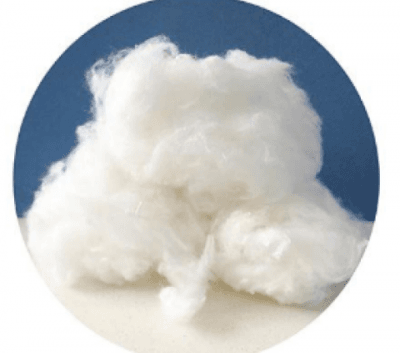
Silver antibacterial and deodorant staple fiber
View Product
Antibacterial yarn
View ProductReady to Innovate with Nanofiber Technology?
Connect with Reinste to explore cutting-edge nanofiber solutions and advanced materials that can accelerate your research and development in drug delivery and beyond. Our experts are here to support your next breakthrough.
Get in Touch with Our Experts