An Introduction to Nanodiamonds: The Future of Indian R&D
In the ever-evolving landscape of materials science, few substances capture the imagination quite like nanodiamonds (NDs). These tiny carbon allotropes, typically smaller than 10 nanometers, are no longer just a scientific curiosity but a cornerstone of cutting-edge technology. For the vibrant research and development community in India, understanding the nuances of nanodiamonds characterization and their unique properties is paramount. From enhancing industrial processes to pioneering new medical treatments, the potential of nanodiamonds is immense, and India is poised to become a key player in this nanotech revolution.
What makes these nanoparticles so special? It's a combination of the hardness of bulk diamond with a suite of unique nanoscale properties. They possess a large, highly reactive surface area, exceptional thermal conductivity, and remarkable biocompatibility. These attributes are not just theoretical; they translate into tangible benefits across various fields. The exploration of nanodiamonds synthesis methods has led to scalable production, making them accessible for both academic research and industrial applications. As we delve deeper, we will explore how the fascinating surface properties of nanodiamonds are being harnessed, particularly in the critical field of nanodiamonds in catalysis, driving innovation and efficiency in chemical manufacturing.
Nanodiamonds Synthesis and Surface Properties
The journey of a nanodiamond begins with its creation. The most prevalent and commercially viable of the nanodiamonds synthesis methods is the detonation technique. This process involves the detonation of carbon-rich explosives in a controlled, oxygen-deficient environment. The extreme pressure and temperature conditions within the detonation wave create an environment where carbon atoms rapidly condense into the stable diamond lattice structure. The resulting raw product is a mixture of nanodiamonds and other carbon forms like graphite, which is then subjected to rigorous purification processes to isolate the high-purity nanodiamonds sought after by researchers.
Characterization and Surface Area Analysis
Once synthesized, the process of nanodiamonds characterization is crucial. Techniques like X-ray Diffraction (XRD), Transmission Electron Microscopy (TEM), and Raman Spectroscopy are employed to confirm the crystalline structure, size, and purity. However, for applications in catalysis and composites, the most critical parameter is the surface area of nanodiamonds. A high surface area, often exceeding 300 m²/g, provides a vast playground for chemical reactions. This is where nanodiamonds for surface area analysis research become invaluable. The ability to precisely measure and modify this surface is key to unlocking their full potential.
The surface of a nanodiamond is not just a passive boundary; it's an active chemical interface. It is typically terminated with a variety of functional groups, such as carboxyl (-COOH), hydroxyl (-OH), and epoxy groups, remnants of the synthesis and purification processes. These groups make the nanodiamonds hydrophilic and allow for further chemical modification, enabling researchers to tailor the nanodiamonds surface properties for specific applications. This functionalization is the secret behind their success as catalyst supports, drug delivery vehicles, and polymer reinforcements.
Transformative Applications of Nanodiamond Technology
Nanodiamonds in Catalysis
The high surface area and tunable surface chemistry of nanodiamonds make them exceptional supports for metal catalysts. They prevent the agglomeration of catalytic nanoparticles, leading to higher activity, stability, and selectivity in crucial industrial reactions like hydrogenation and oxidation. This is a key area of research on nanodiamonds.
Biomedical and Drug Delivery
Due to their biocompatibility and functionalizable surface, nanodiamonds are used as carriers for targeted drug delivery. Their fluorescent properties (from nitrogen-vacancy centers) also make them excellent, non-toxic bio-labels for cellular imaging and tracking.
Polymer Composites & Coatings
Incorporating nanodiamonds into polymers can dramatically enhance their mechanical strength, thermal stability, and wear resistance. This leads to high-performance plastics, durable coatings, and improved engine oils, showcasing the tangible nanodiamond benefits.
Ultra-Fine Polishing
Nanodiamond slurries are used for ultra-precise polishing of hard materials like sapphire, silicon wafers, and magnetic heads. Their uniform particle size and gentle abrasive action create atomically smooth surfaces, essential for the electronics and optics industries.
Sensors and Electrodes
Boron-doped nanodiamonds exhibit excellent electrochemical properties. They are used to create highly sensitive and stable electrodes for electrochemical sensors, capable of detecting trace amounts of pollutants or biomolecules in complex samples.
Indian Market Trends
The nanodiamonds market trends in India show a growing demand in sectors like automotive (lubricants), electronics (polishing), and healthcare. Increased government funding for nanotechnology is fueling research on nanodiamonds, creating new opportunities for innovation.
Related Nanodiamond Products for Your Research
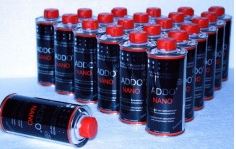
ADDO(R) Additives to oils
View Product
Single-Digit NanoDiamonds (SDND)
View Product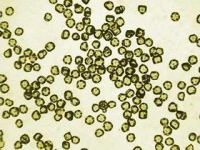
Nanodiamonds, Extra Pure
View Product
Nanodiamonds, surface modified, positively charged
View ProductFrequently Asked Questions
The most common method for industrial-scale production is detonation synthesis, where carbon-containing explosives are detonated in a closed chamber. Other methods include High-Pressure High-Temperature (HPHT), chemical vapor deposition (CVD), and laser ablation. Each method yields nanodiamonds with different properties and levels of purity.
A high surface-area-to-volume ratio provides more active sites for chemical reactions to occur. This makes nanodiamonds excellent support materials for catalysts, enhancing reaction efficiency, selectivity, and yield. Their unique surface chemistry allows for easy functionalization, further boosting catalytic performance.
Generally, yes. Purified nanodiamonds exhibit excellent biocompatibility and low cytotoxicity, making them promising candidates for biomedical applications like drug delivery, bio-imaging, and medical implants. However, the biocompatibility can be affected by surface modifications and purity levels.
You can purchase high-quality nanodiamonds for research and industrial applications through specialized suppliers like Hiyka, which offers a wide range of nanodiamond products, including purified, surface-modified, and agglomerate-free grades, tailored for specific research needs in India.
Ready to Advance Your Research with Nanodiamonds?
Whether you're exploring nanodiamonds in catalysis or developing next-generation composites, we have the materials you need. Connect with our experts to find the perfect nanodiamond product for your application.
Get in Touch