
Unlocking Nanodiamonds in Infrared Spectroscopy
Discover how the unique properties of nanodiamonds are revolutionizing chemical sensing and bio-imaging for researchers and industries across India.
Explore NowThe Diamond Edge in Nanotechnology
In the rapidly advancing world of nanotechnology, materials that were once the stuff of science fiction are now becoming essential tools in research and development. Among these, nanodiamonds stand out as a uniquely versatile and powerful material. For the Indian R&D community, which is making significant strides in material science, medicine, and environmental monitoring, understanding the functionality of nanodiamonds is no longer just an academic exercise—it's a gateway to innovation.
So, what are they? Nanodiamonds are tiny carbon particles, with diameters as small as a few nanometers, that possess a diamond-like crystal structure. These are not just miniature gems; they are high-performance materials with an extraordinary combination of properties. They are incredibly hard, chemically stable, and non-toxic, making them ideal for a host of demanding applications. This article delves into one of their most promising frontiers: the use of nanodiamonds for infrared spectroscopy applications, a technique vital for chemical analysis across countless Indian industries, from pharmaceuticals to petrochemicals. We will explore the fundamental nanodiamond properties that make them superior probes and sensors, and discuss their growing relevance in the Indian scientific landscape.
Why Researchers are Turning to Nanodiamonds
The adoption of nanodiamonds in advanced research isn't just a trend; it's driven by tangible advantages over traditional materials. For scientists and engineers in India, leveraging these benefits can accelerate discovery and development.
- Unmatched Chemical Stability: Nanodiamonds do not react with most chemicals, ensuring that they act as pure, non-interfering platforms for analysis, even in harsh chemical environments.
- Superior Optical Properties: They are transparent across a broad range of the electromagnetic spectrum, including the critical mid-infrared region used for identifying molecular 'fingerprints'. This makes nanodiamonds infrared spectroscopy exceptionally clear and precise.
- Tunable Surface Chemistry: The surface of a nanodiamond can be easily modified or "functionalized" to attach specific molecules. This is key for creating highly selective sensors in nanodiamonds for chemical sensing applications.
- Biocompatibility and Low Toxicity: Unlike some quantum dots or metallic nanoparticles, purified nanodiamonds are remarkably safe for biological systems, opening up applications in in-vivo imaging, drug delivery, and medical diagnostics.
- Quantum Sensing Capabilities: Nanodiamonds containing Nitrogen-Vacancy (NV) centers act as nanoscale quantum sensors. These NV centers are highly sensitive to local electric and magnetic fields, temperature, and pressure, enabling measurements at an unprecedented resolution.
Real-World Applications in the Indian Context
The theoretical advantages of nanodiamonds translate into practical, high-impact applications that are particularly relevant to India's industrial and research priorities.
Advanced Chemical and Environmental Sensing
Functionalized nanodiamonds can be used to create robust sensors for detecting pollutants in water, contaminants in food products, or volatile organic compounds in the air. Their stability allows them to be deployed in industrial settings for process monitoring, aligning with the 'Make in India' initiative's focus on quality control.
Biomedical Imaging and Diagnostics
In India's burgeoning healthcare and pharmaceutical sectors, nanodiamonds serve as superior fluorescent markers for cellular imaging. Because they don't 'blink' or bleach like other fluorophores, they allow for long-term tracking of cells or drug molecules, aiding research in cancer therapy and infectious diseases.
Drug Delivery Systems
The high surface area and functionalizable nature of nanodiamonds make them excellent carriers for therapeutic agents. They can be engineered to target specific cells (e.g., cancer cells) and release drugs in a controlled manner, improving treatment efficacy and reducing side effects—a key goal for Indian pharmaceutical R&D.
Improving Material Properties
Beyond spectroscopy, nanodiamonds are used as additives in polymers, oils, and coatings to enhance their mechanical strength, thermal conductivity, and wear resistance. This has direct applications in India's automotive, aerospace, and manufacturing industries.
Opportunities and Market Trends in India
The global nanodiamonds market is on a steep upward trajectory, and India is poised to become a significant player. With a strong base in chemistry, material science, and IT, the country has the intellectual capital to innovate in nanodiamonds in nanotechnology. Government initiatives promoting indigenous R&D and manufacturing provide a fertile ground for startups and established companies to explore nanodiamond synthesis and application development.
A key area of growth is in the development of sophisticated analytical tools. The demand for precise and reliable chemical analysis is exploding, and this is where nanodiamonds for infrared spectroscopy applications find their niche. Indian research institutions can lead the way in creating novel, nanodiamond-based IR platforms for everything from soil analysis for agriculture to quality assurance in generic drug manufacturing. The inherent nanodiamonds advantages, such as cost-effectiveness at scale and superior performance, make them an attractive alternative to more expensive materials, fitting well with India's focus on frugal innovation. As awareness grows, we can expect to see increased investment and collaboration in this exciting field.
Frequently Asked Questions
Nanodiamonds are carbon-based nanoparticles, typically 4-10 nanometers in size, produced through detonation or other synthesis methods. Their importance lies in a unique combination of properties: extreme hardness, high thermal conductivity, chemical inertness, and excellent biocompatibility. These features make them highly valuable in fields ranging from advanced materials and polishing agents to drug delivery and bio-imaging.
Nanodiamonds are transparent to a wide range of the infrared spectrum, meaning they don't interfere with the measurements. Their surfaces can be easily functionalized to attach specific molecules, making them perfect probes for chemical sensing. Furthermore, their nitrogen-vacancy (NV) centers have quantum properties that can be used for highly sensitive IR detection, a unique advantage over many other nanomaterials.
The most common method is detonation synthesis, where carbon-containing explosives are detonated in a closed, oxygen-deficient chamber. This process creates nanodiamond soot, which is then purified to isolate the nanodiamonds. Other methods include high-pressure high-temperature (HPHT), chemical vapor deposition (CVD), and laser ablation, each offering different levels of purity, size control, and surface chemistry.
Generally, high-purity nanodiamonds have shown excellent biocompatibility and low cytotoxicity in numerous studies. Their chemical inertness prevents them from reacting undesirably within biological systems. However, their safety depends on purity, surface functionalization, and concentration. For any biomedical application, especially in India, it's crucial to use well-characterized, medical-grade nanodiamonds that meet regulatory standards.
Related Products
Explore our range of high-purity nanodiamond products perfect for your research and application needs.

Single-Digit NanoDiamonds (SDND)
View Product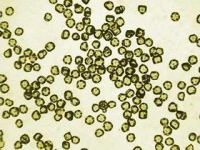
Nanodiamonds, Extra Pure
View Product
Nanodiamonds, surface modified, positively charged
View Product
Nanodiamonds, Agglomerate-Free, Purified / grade G01
View ProductReady to Advance Your Research?
Connect with our experts to discuss your specific needs for nanodiamonds and other advanced materials. Let us help you find the perfect solution to accelerate your next breakthrough.
Contact Us TodayContact Us
Have questions or need a quote? Fill out the form below, and our team will get back to you promptly.