A New Frontier in Precision: Nanodiamonds in Electroanalytical Chemistry
In the world of scientific research and industrial quality control, the ability to detect and quantify substances with precision is paramount. For decades, electrochemical sensors have been the workhorses of analytical chemistry, but they often face limitations in sensitivity, stability, and operational range. For a developing nation like India, with burgeoning pharmaceutical, environmental, and agricultural sectors, the need for cost-effective and robust analytical tools has never been greater.
Enter the nanodiamond. Once a scientific curiosity, these carbon nanoparticles, measuring mere billionths of a meter, are now at the forefront of a technological revolution. Specifically, the use of nanodiamond electrochemical sensors is creating a paradigm shift. By modifying conventional electrodes with a thin layer of nanodiamonds, researchers are unlocking unprecedented levels of performance. These nanodiamond modified electrodes are not just an incremental improvement; they represent a leap forward in our ability to perform electrochemical analysis.
What makes them so special? Nanodiamonds possess a unique combination of properties: the extreme hardness and chemical inertness of bulk diamond, a vast surface area, and, crucially, surface functional groups that can be tailored for specific tasks. This makes them ideal for creating highly selective and sensitive nanodiamond biosensors capable of detecting everything from critical disease biomarkers to minute environmental pollutants. This article delves into the world of electrochemical analysis using nanodiamonds, exploring the benefits, applications, and the immense opportunities this technology holds for the Indian research and industrial community.
Why Indian Researchers Should Bet on Nanodiamonds
Unmatched Sensitivity & Low Detection Limits
The high surface-area-to-volume ratio of nanodiamonds drastically increases the electroactive area of the electrode, amplifying the electrochemical signal. This allows for the detection of analytes at concentrations previously thought impossible, a crucial factor in early disease diagnosis and trace pollutant analysis.
Superior Stability and Reusability
Unlike many other nanomaterials, nanodiamonds are incredibly robust. Electrodes modified with them resist fouling (the accumulation of unwanted material on the surface) and degradation, leading to longer sensor lifetimes and more reproducible results, reducing long-term costs for research labs.
Wide Electrochemical Potential Window
Nanodiamond electrodes can operate over a broader range of voltages without interference from the breakdown of water. This allows for the analysis of a wider variety of compounds that are difficult to measure with traditional carbon or metal electrodes.
Enhanced Biocompatibility for Biosensors
The inherent biocompatibility of carbon makes nanodiamonds perfect for creating biosensors. Biomolecules like enzymes, antibodies, and DNA can be attached to the nanodiamond surface without losing their activity, paving the way for advanced nanodiamond biosensors for medical diagnostics.
Tunable Surface Chemistry
The surface of nanodiamonds can be easily modified (functionalized) to selectively bind to specific target molecules. This tunability is the key to moving from general-purpose sensors to highly specific analytical tools tailored for a particular application, a core concept in nanodiamonds in electroanalytical chemistry.
Growing Cost-Effectiveness
Advances in nanodiamond synthesis, particularly the detonation method, have made them increasingly affordable. For India, where cost is a significant factor in technology adoption, this makes the development of indigenous, low-cost, high-performance sensors a tangible reality.
Industrial Applications: From Lab to Life
The industrial applications of nanodiamonds in sensing are vast. Here’s how nanodiamonds for electrochemical analysis applications are making an impact across key sectors in India.
Healthcare & Medical Diagnostics
In a country battling both communicable and non-communicable diseases, early and accurate diagnosis is a game-changer. Nanodiamond biosensors are being developed for the rapid detection of cancer biomarkers, cardiac enzymes, and infectious agents like dengue and chikungunya. Their high sensitivity could lead to point-of-care diagnostic kits that are both affordable and easy to use, aligning perfectly with India’s healthcare goals.
Environmental Monitoring
India's rapid industrialization has put immense pressure on its natural resources. Nanodiamond electrochemical sensors offer a powerful tool for monitoring water and soil quality. They can be designed to detect minute traces of heavy metals (like lead, arsenic, and mercury) in drinking water or harmful pesticides in agricultural soil, enabling timely intervention and safeguarding public health.
Food Safety and Quality Control
Ensuring the safety of India’s vast food supply chain is a monumental task. Nanodiamond-based sensors can be integrated into food processing lines to detect contaminants, allergens, and spoilage markers in real-time. From detecting illegal additives in milk to ensuring export quality of spices, these sensors can enhance food safety and boost consumer confidence.
The Indian Landscape: Opportunities and Research Trends
The nanodiamonds market in India is poised for significant growth, driven by a confluence of factors. The government's "Make in India" and "Aatmanirbhar Bharat" initiatives are providing a major push for indigenous R&D and manufacturing. The field of nanodiamonds research is gaining momentum in premier institutions like the IITs, IISc Bangalore, and CSIR labs, with a growing number of publications focusing on nanomaterial-based sensors.
A key trend is the focus on developing low-cost sensor fabrication techniques. Indian researchers are exploring innovative ways to deposit nanodiamonds onto screen-printed electrodes, which could drastically reduce the cost of disposable sensor strips. There is also a strong emphasis on creating multi-analyte sensors—a single device that can detect several substances simultaneously. Imagine a single strip that can test for multiple water contaminants at once; the potential of such nanodiamond applications is enormous.
Furthermore, the commercialization of nanodiamonds is becoming more streamlined. With reliable suppliers making high-purity and functionalized nanodiamonds readily available, the barrier to entry for small and medium-sized enterprises (SMEs) is lowering. This is crucial for translating lab-scale prototypes into market-ready products. As the ecosystem matures, we can expect to see a surge in startups focused on nanodiamond-based diagnostics and analytical tools, further solidifying India's position in the global landscape of nanodiamonds in electroanalytical chemistry.
Source High-Quality Nanodiamonds for Your Research

Single-Digit NanoDiamonds (SDND)
View Product →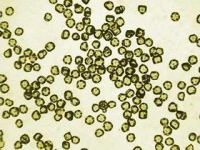
Nanodiamonds, Extra Pure
View Product →
Nanodiamonds, surface modified, positively charged
View Product →
Nanodiamonds, Agglomerate-Free, Purified / grade G01
View Product →Frequently Asked Questions
What exactly are nanodiamond electrochemical sensors?
Nanodiamond electrochemical sensors are advanced analytical devices that use electrodes modified with nanodiamonds. These tiny carbon particles enhance the electrode's performance, leading to highly sensitive, stable, and reliable detection of various chemical and biological substances. They are a key component in the field of electroanalytical chemistry.
How are nanodiamonds better than graphene or carbon nanotubes for sensors?
While graphene and carbon nanotubes are excellent materials, nanodiamonds offer unique advantages like a wider electrochemical potential window, superior chemical inertness, and exceptional biocompatibility. Their sp3-hybridized core provides stability, while their surface can be easily functionalized, making nanodiamond modified electrodes highly versatile and robust for various applications, including nanodiamond biosensors.
Are nanodiamond-based sensors expensive to develop?
Initially, the cost of high-purity nanodiamonds was a barrier. However, with advancements in synthesis techniques, particularly detonation synthesis, the cost has significantly decreased. Considering their reusability, long-term stability, and the small quantities needed for electrode modification, the overall cost of electrochemical analysis using nanodiamonds is becoming highly competitive, especially for the Indian market.
What are the main challenges in commercializing this technology in India?
The primary challenges include scaling up the production of consistent, high-quality nanodiamonds domestically, developing standardized protocols for electrode fabrication, and bridging the gap between academic research and industrial application. Building a robust supply chain and fostering collaboration between Indian researchers and industry are key to overcoming these hurdles and tapping into the nanodiamonds market.
Where can I source high-quality nanodiamonds for my research in India?
Sourcing reliable, research-grade nanomaterials is crucial. Companies like Reinste and its marketplace, Hiyka, provide Indian researchers with access to a wide range of high-purity and surface-modified nanodiamonds. They offer materials tailored for specific research needs, including electrochemical analysis, ensuring quality and consistency for your experiments.
Ready to Revolutionize Your Research?
Take the next step in your analytical journey. Explore our range of high-performance nanodiamonds or contact our team to discuss your specific research needs.
Contact Us Today