Revolutionizing Manufacturing: The Role of Nanodiamonds in Indian R&D
Additive manufacturing, commonly known as 3D printing, has emerged as a transformative force in global industry. Among its most powerful techniques is Selective Laser Sintering (SLS), a process that uses a high-power laser to fuse small particles of polymer powder into a solid structure. While SLS has already unlocked unprecedented design freedom and rapid prototyping capabilities, its next evolutionary leap is being driven by the world of nanomaterials. At the forefront of this innovation are **nanodiamonds**, microscopic particles that promise to redefine the limits of material performance.
For India, a nation rapidly advancing its industrial and technological prowess under initiatives like 'Make in India' and 'Aatmanirbhar Bharat', the synergy between **nanodiamonds** and **Selective Laser Sintering** is not just an academic curiosity—it is a strategic opportunity. By integrating nanodiamonds into SLS polymers, Indian researchers and manufacturers can create composite materials with vastly superior mechanical strength, thermal stability, and wear resistance. This breakthrough in **additive manufacturing** enables the production of high-performance components for critical sectors such as aerospace, automotive, defense, and biomedical devices, right here on Indian soil. This article provides a comprehensive review of the properties, applications, and immense potential of **nanodiamonds for selective laser sintering**, offering a roadmap for Indian innovators to lead in this next generation of material science.
Core Benefits for Researchers and Innovators
The incorporation of nanodiamonds into SLS polymers offers a multitude of advantages that directly address the core challenges in additive manufacturing. For researchers, these benefits open up new avenues for experimentation and discovery.
-
Unprecedented Mechanical Enhancement
Even at low concentrations (e.g., 0.1-1% by weight), nanodiamonds act as powerful reinforcing agents. Their exceptional hardness and Young's modulus dramatically increase the tensile strength, stiffness, and wear resistance of polymer parts, making them comparable to some metals.
-
Superior Thermal Properties
Nanodiamonds possess the highest thermal conductivity of any known material. When dispersed in a polymer matrix, they create a conductive network that facilitates uniform heat distribution during the sintering process. This minimizes thermal stress, reduces part warping, and improves the overall dimensional accuracy of the final product.
-
Enhanced Sintering Window and Resolution
The improved thermal dynamics allow for a wider and more stable sintering window. This gives researchers greater control over the printing process and enables the creation of finer, more intricate features with higher resolution, pushing the boundaries of design complexity.
-
Biocompatibility for Medical Advancements
Nanodiamonds are chemically inert and highly biocompatible. This makes nanodiamond-polymer composites ideal for creating next-generation medical implants, custom surgical guides, and durable prosthetic components that are safe for human use.
Industry Applications in the Indian Context

Aerospace & Defense
The ability to 3D print lightweight, yet incredibly strong and thermally stable components is a game-changer. Applications include manufacturing of custom drone parts, satellite components, and durable interior cabin elements that can withstand extreme conditions.

Automotive Industry
In the automotive sector, especially in performance and electric vehicles, nanodiamond-reinforced parts offer superior wear resistance for components like gears, bearings, and jigs. They also enable rapid prototyping of engine parts and custom interior fixtures.

Biomedical Devices
The biocompatibility and strength of these composites are ideal for creating patient-specific orthopedic implants, dental fixtures, and durable surgical tools. The **nanodiamonds in biomedicine** field is rapidly expanding, with SLS at its core.

Electronics and Thermal Management
The high thermal conductivity makes nanodiamond composites perfect for creating custom heat sinks, electronic enclosures, and casings for sensitive components that require efficient heat dissipation, a critical factor in modern electronics.
Opportunities and Future Trends for India
The **nanodiamonds market** in India is at a nascent stage but holds explosive growth potential, particularly when coupled with the booming **additive manufacturing** sector. Several factors converge to create a fertile ground for innovation. The Indian government's focus on self-reliance in manufacturing provides a strong impetus for adopting advanced **nanomaterials** to produce superior, value-added products domestically. Research institutions and universities across the country are ramping up their focus on material science, creating a skilled talent pool ready to explore novel **nanodiamond applications**.
A key trend is the move towards functional composites. It's no longer just about creating a shape; it's about printing a functional part with embedded properties. **Nanodiamond coatings** and composites developed via SLS are central to this trend. For instance, developing wear-resistant coatings for industrial machinery or creating thermally conductive parts for the burgeoning EV market are significant commercial opportunities. Furthermore, a detailed **nanodiamonds for selective laser sintering review** of current research shows a clear path towards optimizing **nanodiamond synthesis** and functionalization techniques to achieve even better dispersion and performance, a field where Indian chemists and material scientists can make a global impact.
Frequently Asked Questions
Related Nanodiamond Products
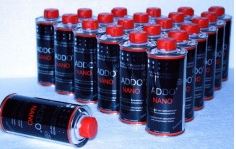
ADDO(R) Additives to oils
View Product →
Single-Digit NanoDiamonds (SDND)
View Product →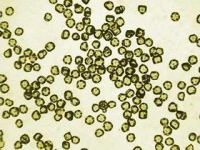
Nanodiamonds, Extra Pure
View Product →
Nanodiamonds, surface modified, positively charged
View Product →Ready to Innovate with Nanodiamonds?
Take the next step in advanced manufacturing. Contact our experts to discuss your project or explore our range of high-purity nanodiamond products.
Get in Touch