The Dawn of a Material Revolution: An Introduction to Nano Zinc Oxide
In the expansive realm of materials science, the transition from bulk materials to their nano-scale counterparts has unlocked unprecedented possibilities. Among these advanced materials, Nano Zinc Oxide (ZnO) has emerged as a frontrunner, captivating the attention of scientists, engineers, and industrialists across the globe. For India, a nation rapidly ascending as a hub for research and development, understanding and harnessing the potential of materials like Nano Zinc Oxide is not just an academic pursuit—it's a strategic imperative for technological self-reliance and economic growth.
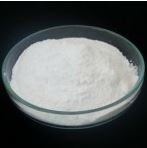
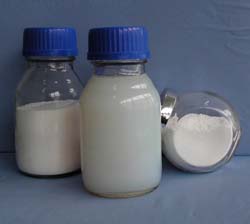
But what makes this fine, white powder so special? At its core, Nano Zinc Oxide consists of ZnO particles with dimensions on the nanometer scale (typically below 100 nm). This dramatic reduction in size from its conventional form leads to a quantum leap in its physical and chemical properties. The high surface-area-to-volume ratio, quantum confinement effects, and unique surface chemistry give Nano ZnO enhanced UV-blocking capabilities, superior antimicrobial efficacy, and remarkable catalytic activity. This guide delves into the fascinating world of Nano Zinc Oxide properties and its applications, providing a comprehensive overview for Indian researchers and professionals poised to lead the next wave of innovation.
Why Researchers are Turning to Nano Zinc Oxide: Key Benefits
The growing interest in Nano Zinc Oxide research is fueled by a host of tangible advantages that it offers over traditional materials. For the Indian R&D community, these benefits translate into opportunities for creating novel solutions to persistent challenges.
- Exceptional UV Protection: Nano ZnO is a broad-spectrum UV absorber, effectively blocking both UVA and UVB radiation. Unlike chemical sunscreens, it acts as a physical barrier without being absorbed into the skin, making it a safer and more effective ingredient in cosmetics and protective coatings.
- Potent Antimicrobial Activity: The nanoparticles can generate reactive oxygen species (ROS) that are lethal to a wide range of bacteria, fungi, and viruses. This makes it an invaluable asset in biomedical applications, food packaging, and antibacterial textiles.
- High Catalytic Efficiency: The large surface area of Nano Zinc Oxide makes it a highly effective catalyst in various chemical reactions, including the degradation of pollutants. This has significant implications for environmental remediation and green chemistry.
- Biocompatibility and Safety: Zinc is an essential trace element for humans. When used appropriately, Nano ZnO exhibits excellent biocompatibility, opening doors for its use in drug delivery systems, bio-imaging, and medical implants. The discussion around Nano Zinc Oxide safety is robust, with extensive research confirming its viability in many applications.
- Unique Semiconductor Properties: With a wide bandgap and high electron mobility, Nano ZnO is a promising material for next-generation electronics, including transparent electrodes, sensors, and piezoelectric devices.
From Lab to Life: Diverse Applications of Nano Zinc Oxide
The theoretical benefits of Nano Zinc Oxide translate into a vast array of practical, real-world uses. The versatility of Nano Zinc Oxide applications is a key driver of its expanding market. Here are some of the most impactful sectors being transformed by this nanomaterial:
Cosmetics and Personal Care
As a key ingredient in sunscreens, lotions, and ointments, Nano ZnO provides transparent, non-greasy, and powerful UV protection. Its gentle nature makes it suitable for sensitive skin, a significant advantage in the personal care market.
Paints and Coatings
Incorporating Nano ZnO into paints enhances durability, provides UV resistance to prevent fading, and imparts antimicrobial properties to create hygienic, mold-resistant surfaces for hospitals and homes.
Textiles
Fabrics treated with Nano ZnO gain long-lasting antibacterial properties and UV protection. This is revolutionizing sportswear, medical textiles, and everyday apparel, offering enhanced functionality and safety.
Electronics and Sensors
The unique piezoelectric and semiconductor properties of Nano ZnO are being leveraged to create highly sensitive gas sensors, biosensors, and even nanogenerators that can harvest energy from mechanical vibrations.
The Indian Context: Market Trends and R&D Opportunities
The Nano Zinc Oxide market in India is on a steep growth trajectory. Propelled by government initiatives like "Make in India" and a burgeoning manufacturing sector, the demand for advanced materials is at an all-time high. Indian researchers are perfectly positioned to capitalize on this trend. The focus is shifting from theoretical research to applied innovation, particularly in areas aligned with national priorities such as healthcare, sustainable energy, and environmental protection.
One of the key trends is the development of functional nanocomposites. By integrating Nano Zinc Oxide into polymer matrices, researchers are creating materials with combined strength, flexibility, and advanced functionalities. For instance, ZnO-infused food packaging films can extend the shelf life of perishable goods by preventing microbial growth. Similarly, in the field of water purification, ZnO-based nanocatalysts are being explored for their ability to break down industrial pollutants and dyes efficiently.
For successful materials characterization and development, access to high-purity materials is non-negotiable. This is where reliable Nano Zinc Oxide suppliers play a pivotal role. They provide the foundational materials that enable researchers to push the boundaries of science and technology, ensuring that the starting materials have consistent properties for reproducible results. The synergy between academia, industry, and material suppliers is crucial for building a robust innovation ecosystem in India.
Frequently Asked Questions
Nano Zinc Oxide (ZnO) consists of zinc oxide particles with dimensions in the nanometer range (typically 1-100 nm). This small size gives it unique chemical and physical properties compared to its bulk counterpart, such as a larger surface area, increased reactivity, and enhanced UV-blocking capabilities.
Nano Zinc Oxide is generally recognized as safe (GRAS) by many regulatory bodies, including the FDA, for use in sunscreens and cosmetics. However, Nano Zinc Oxide safety depends on the application. While topical application is considered safe, inhalation of nanoparticles should be avoided. Researchers and manufacturers must adhere to strict safety protocols and handling guidelines.
The main Nano Zinc Oxide applications include its use as a UV filter in sunscreens and cosmetics, as an antimicrobial agent in textiles and food packaging, a catalyst in chemical processes, and as a component in electronic devices like sensors and varistors. Its versatility makes it a key material in many advanced technologies.
The key difference lies in the particle size. Nano Zinc Oxide's smaller particles provide a significantly higher surface-area-to-volume ratio. This enhances its UV absorption, catalytic activity, and antimicrobial effects. Unlike bulk zinc oxide which can leave a white cast, nano-sized particles are transparent, making them ideal for cosmetic formulations.
For reliable and high-purity advanced materials like Nano Zinc Oxide, it's crucial to partner with reputable Nano Zinc Oxide suppliers. Companies like Hiyka, a Reinste brand, provide a range of nanomaterials specifically for the Indian R&D community, ensuring quality and consistency for your research needs.
Ready to Advance Your Research?
Don't let material sourcing be a bottleneck in your innovation journey. Explore our extensive range of high-purity Nano Zinc Oxide products tailored for cutting-edge research and development.
Get a Quote Today